
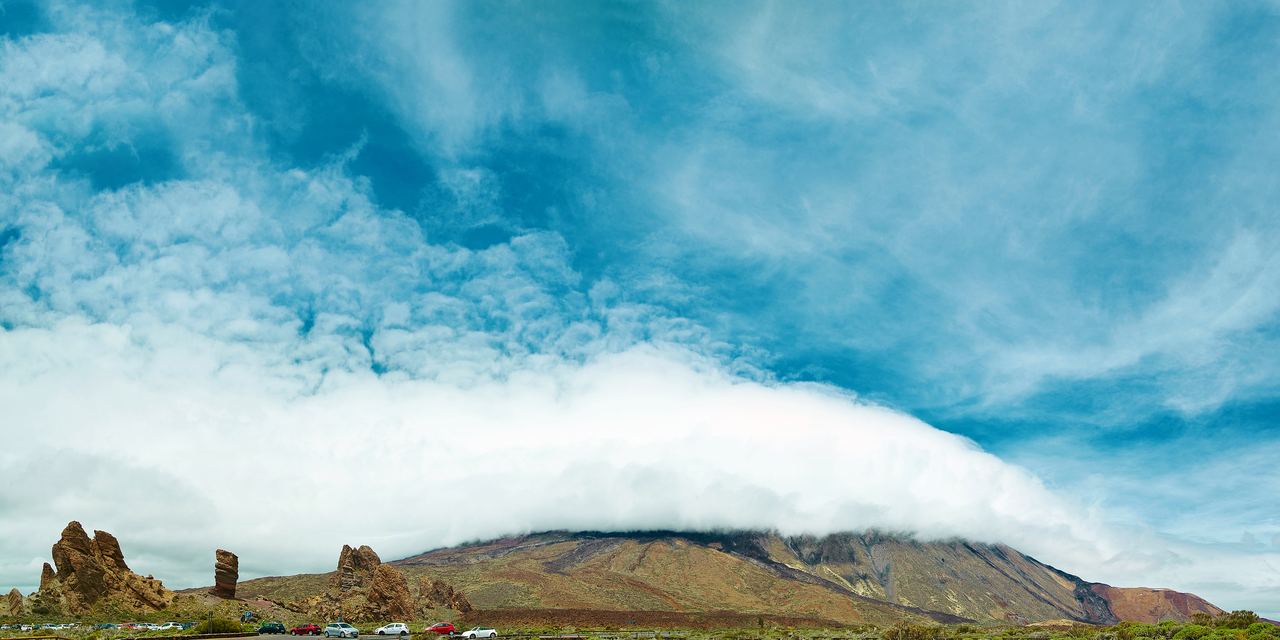
Volcano Tours in Spain: Teide, Timanfaya and La Palma
Four Canary Islands and 73 experiences. The only Spanish volcanoes that still erupt sit 1,000 km off the mainland, in the Atlantic.
Spain has volcanoes on the mainland and sells tours at none of them. The Campo de Calatrava in Ciudad Real and La Garrotxa in Catalonia are real volcanic fields with real cones, and between them they account for exactly zero of the 73 volcano experiences on sale in this country. Everything happens a thousand kilometres offshore, in an Atlantic archipelago closer to Morocco than to Madrid, on ground that is still moving. La Palma erupted for 85 days in 2021. Tenerife carries the highest mountain in Spain and a permit system that most of the internet still describes incorrectly. The islands are close enough that one operator sells La Palma as a day trip from Tenerife, and far enough apart that the two are not the same holiday.
What follows compares the four islands rather than explaining any one of them. The detail of a single day, the meeting points, the fares and the things operators leave out of the price, sits on the island pages below. The question this page answers is the one people ask first and rarely find answered: given a week and one flight, which island do you want.
Choose a destination in Spain
-
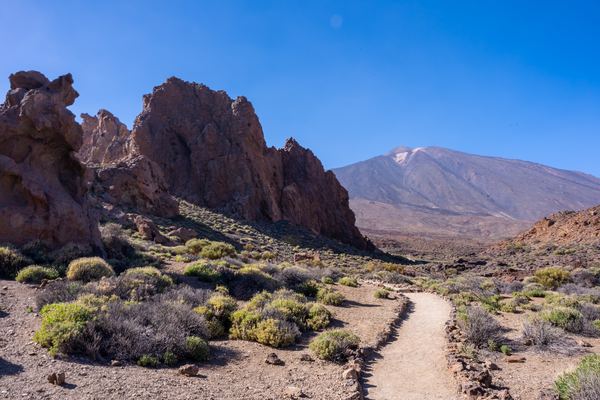
Tenerife
Teide tours on Tenerife: the cable car and the summit permit, stargazing in the national park, quad and buggy rides on the lava fields.
41 experiences in 4 destinations -
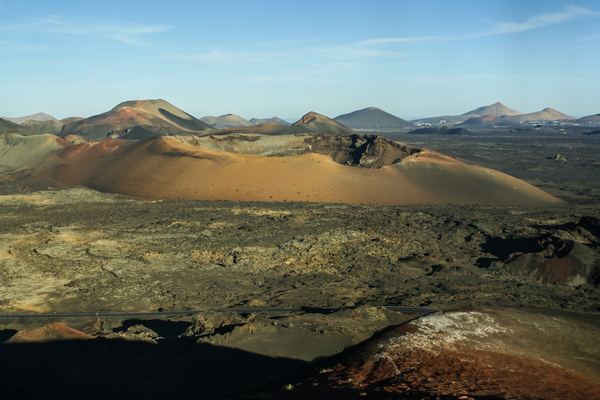
Lanzarote
Volcano tours on Lanzarote: Timanfaya's fire mountains, the lava caves at Jameos del Agua and Cueva de los Verdes, and the vineyards of La Geria.
21 experiences in 3 destinations -
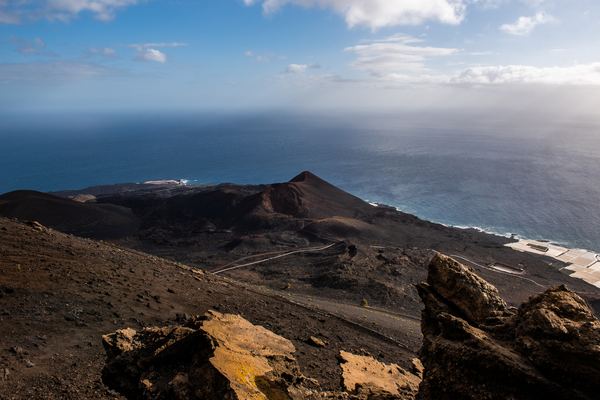
La Palma
La Palma tours: the Tajogaite cone and the lava fields of the 2021 Cumbre Vieja eruption, which ended on 13 December that year.
7 experiences -
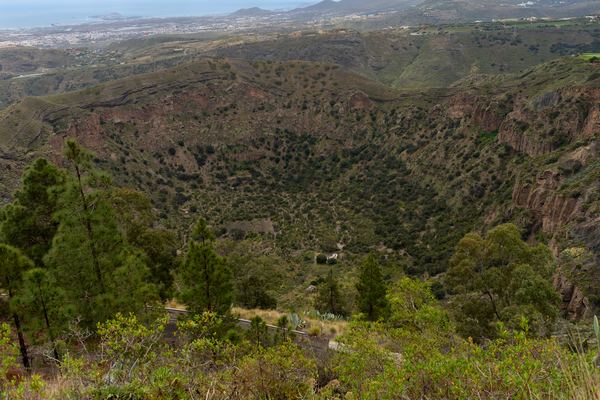
Gran Canaria
Volcanic Gran Canaria: the Bandama caldera, Roque Nublo and the craters at the centre of the island.
4 experiences


Volcano Travel Experiences in Spain
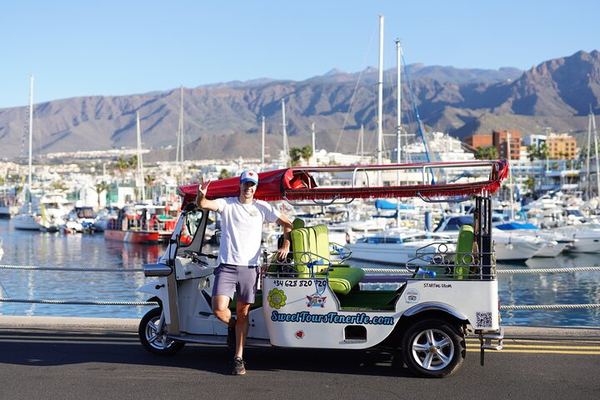
An Hour by Tuk-Tuk to the Caldera del Rey, Costa Adeje
An hour up to the Caldera del Rey, a Natural Monument that was once a volcano, with the banana plantations below and the guanche caves explained on the way.
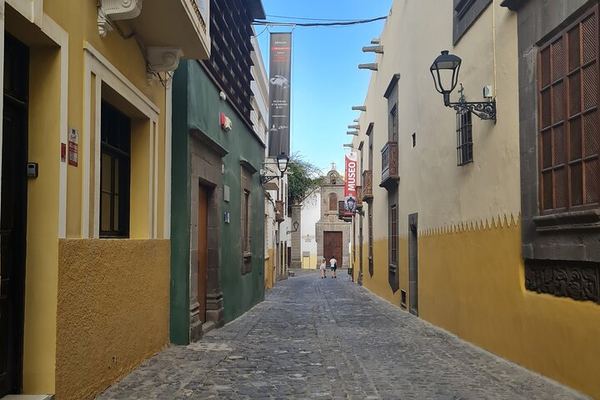
Bandama Caldera, Wine Tasting and Vegueta: Private Half-Day Tour from Las Palmas Port
Private shore excursion for up to 8 from Las Palmas port: the Bandama crater, wine and cheese at a traditional winery, then a walk through old Vegueta.
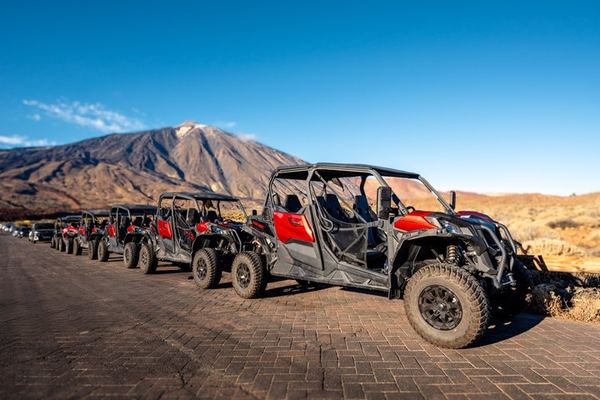
Buggy to the Teide Park via Vilaflor, Turning at 2200 Metres
Three and a half hours by buggy through San Miguel de Abona and Vilaflor, turning at 2,200 metres inside the park, with dirt tracks and farmland at the end.
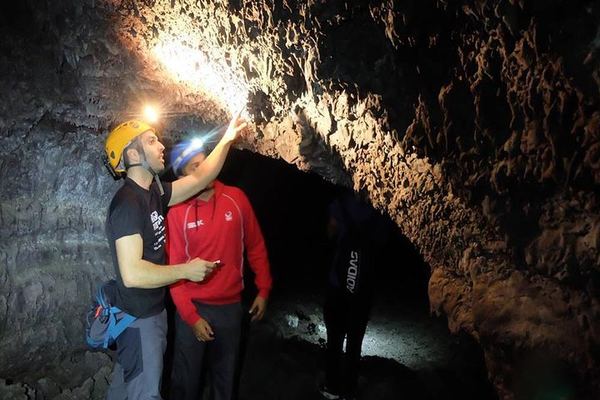
Caving the 1949 San Juan Lava Tube, 560 Metres of It
A guided walk through 560 metres of lava tube left by the 1949 San Juan eruption, lit by more than ten openings, some of them old fumaroles. Expert guide.
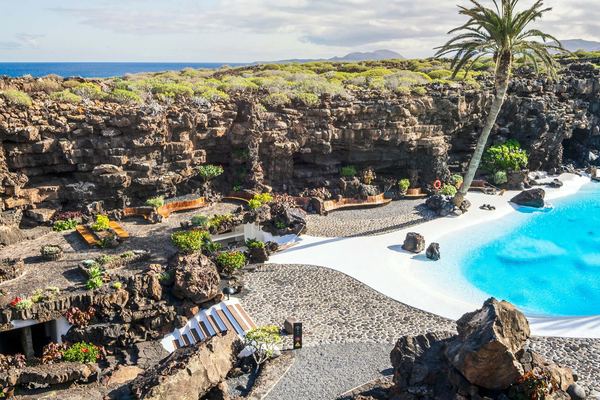
Charco de los Clicos, the Timanfaya Geysers and Jameos del Agua
The Green Lake at El Golfo takes its colour from algae and sulphur, Timanfaya runs its geyser demonstrations, and Jameos del Agua sits in a lava tunnel.
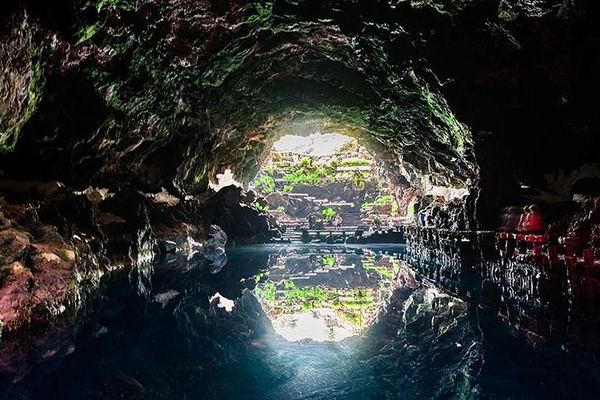
Cueva de los Verdes and Jameos del Agua, Mondays and Fridays
A four to five hour run through the north of Lanzarote on Mondays and Fridays, with a guided visit inside Cueva de los Verdes and free time at Jameos del Agua.
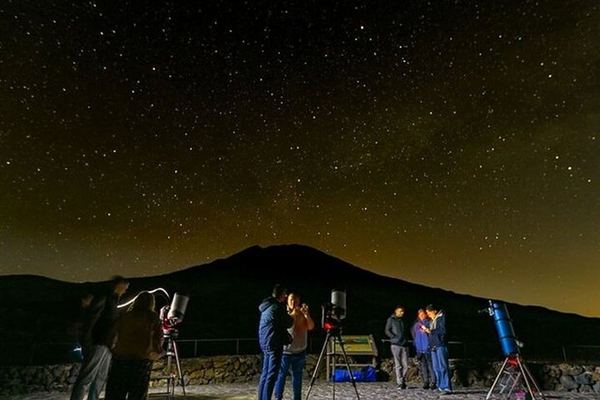
Drive Yourself to 7 Cañadas for the Sunset and the Telescopes
You drive to the 7 Cañadas restaurant at La Orotava for 7.45 pm, ask for Kieran, and get cava at sunset and Starlight-certified guides after dark. No dinner.
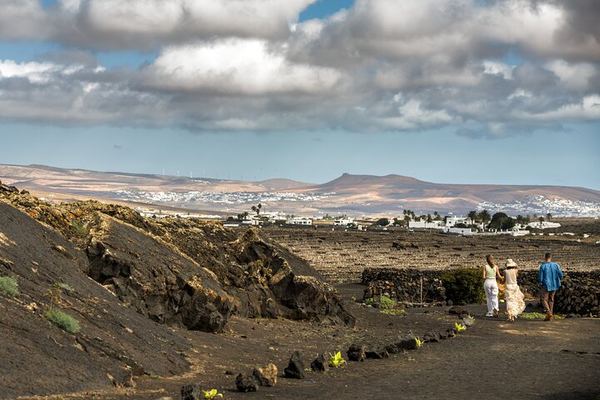
El Grifo: the 1775 Founding Stone and the Century-Old Chabocos
The 1775 founding stone is still in the old winery, now the Wine Museum, and the library was inaugurated by José Hierro. Twelve people per visit, no more.
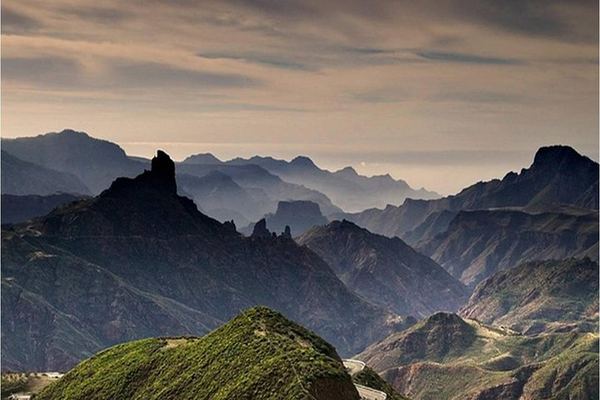
Gran Canaria's High Peaks: Pico de las Nieves, Roque Nublo and Teror
A full day up to Pico de las Nieves and Roque Nublo with a Canarian guide, the Bandama crater on the way and free time in Teror. Not for under-sixes.
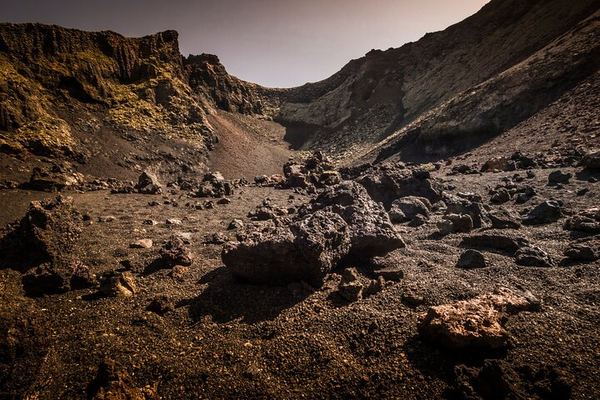
Hiking the First Months of the Timanfaya Eruption, from Tinguatón
A guided walk among the cones and lava flows left by the first months of the Timanfaya eruption, meeting at the car park on the road up to Tinguatón. No bus.
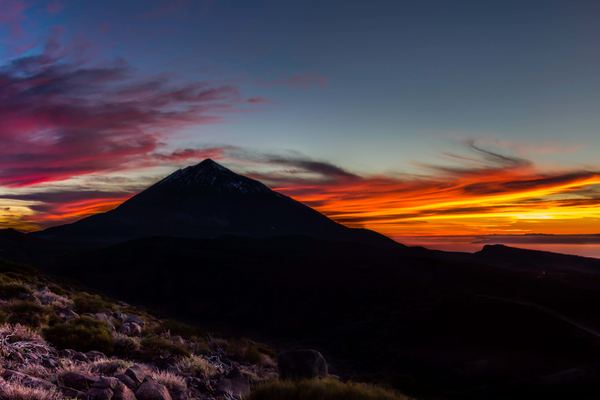
Inside the Teide Observatory, and the Sun Through Its Telescope
A guided visit inside the observatory, open since 1964, with the sun seen through a solar telescope, then an hour and a quarter of stars after the picnic.
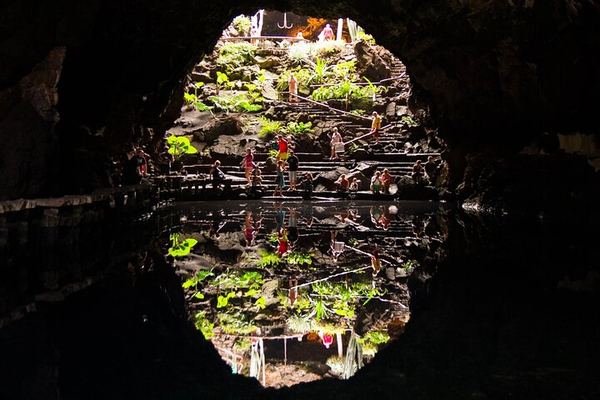
Jameos del Agua, Mirador del Río and the Manrique Foundation, Wednesdays
A Wednesday run through the north of Lanzarote: the Manrique Foundation, the Cactus Garden, Mirador del Río and the clicos crabs at Jameos del Agua.
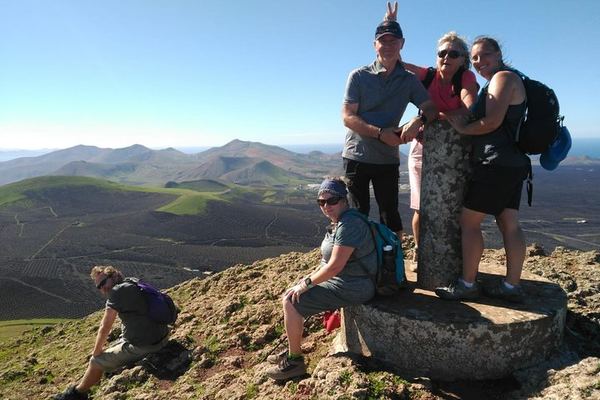
La Geria on Foot, with Volcanic Malvasía at Bodega Rubicón
An 8.9 km walk through the vineyards of La Geria, with a tasting of Volcanic Malvasía at Bodega Rubicón and wine and cheese on a terrace at the end of it.
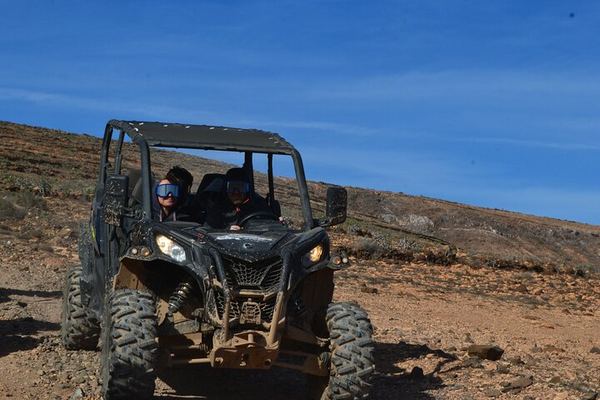
Lanzarote by 4-Seater Buggy: Las Nieves, Lime Kilns, Mala Dam
A four-seat CanAm Maverick from Costa Teguise up to the Las Nieves viewpoint, the lime kilns at Teguise and the old dam road. Goggles come with the buggy.
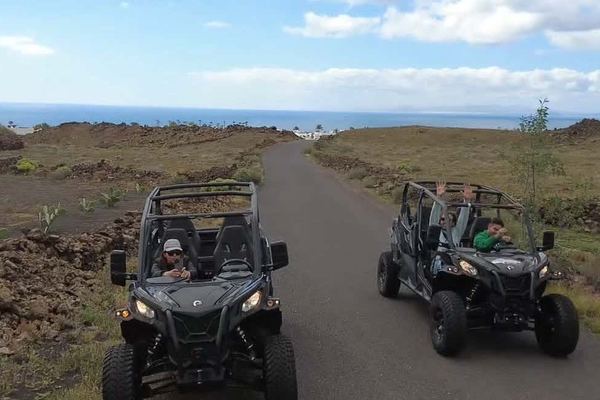
Lanzarote by Buggy: El Cuervo, La Geria and Las Grietas
Seventy kilometres by buggy in two hours, with a 40-minute walk round the El Cuervo crater and Las Grietas on foot. The driver must be at least 20 years old.
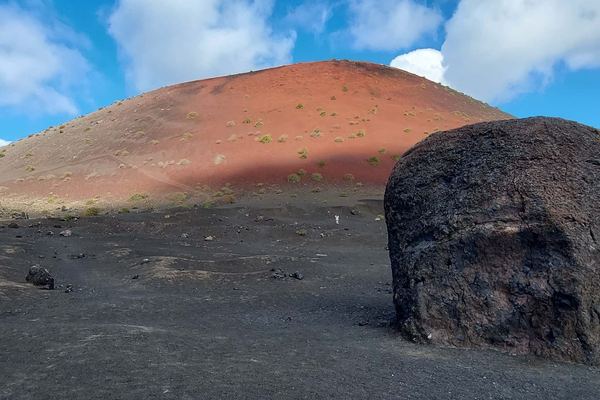
Lanzarote by E-Bike: La Geria, Timanfaya and the Sunset
Four hours on an electric mountain bike between lava and ash, with a winery stop in La Geria, a climb in Timanfaya, and the island sunset at the end of it.
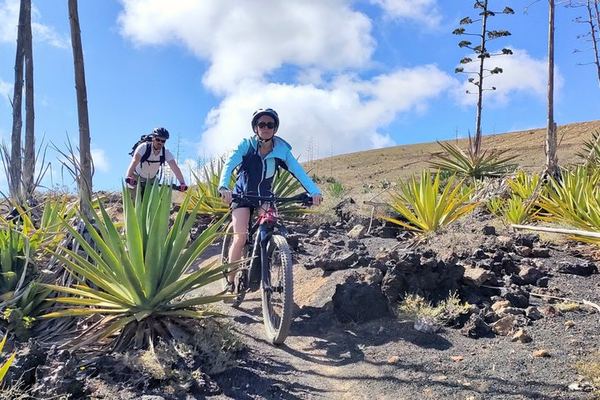
Lanzarote E-Bike Ride Through Timanfaya and La Geria, Photos Included
An electric bike across the volcanic ground of Timanfaya and the vines of La Geria, with a photo and video package taken along the way and kept after.
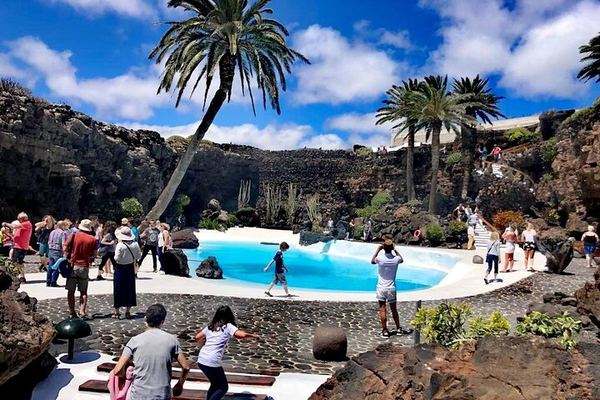
Lanzarote in a Day from the Cruise Port: Timanfaya, Jameos, Lago Verde
Seven stops between the port and Timanfaya, with no queues: Jameos del Agua, the cliff at Mirador del Río, a wine tasting in La Geria and the Lago Verde.
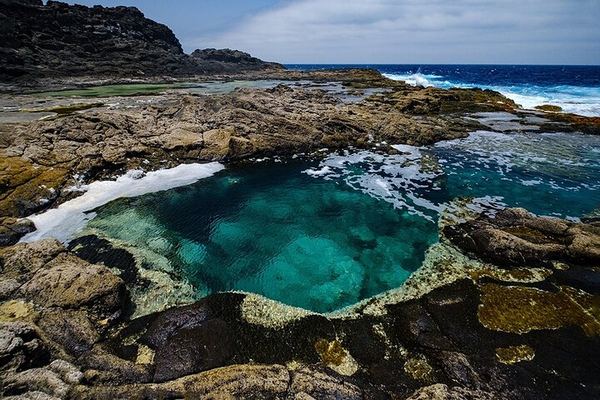
Lanzarote South in a Group of Eight: Janubio Salt, Olivine, La Geria
A maximum of eight people, a Canarian brunch and volcano wines, with the largest salt flats in the Canaries and the olivine in the black rock at Janubio.
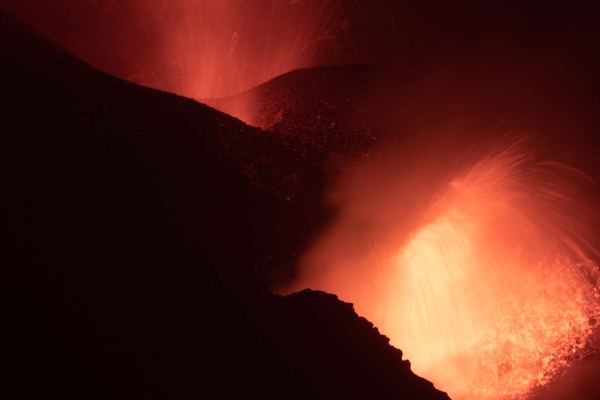
La Palma from Tenerife: the Tajogaite Lava, 2021
Two and a half hours by ferry each way, the lava flows at Tazacorte on foot, and the Cumbrecita viewpoint inside the Caldera de Taburiente national park.
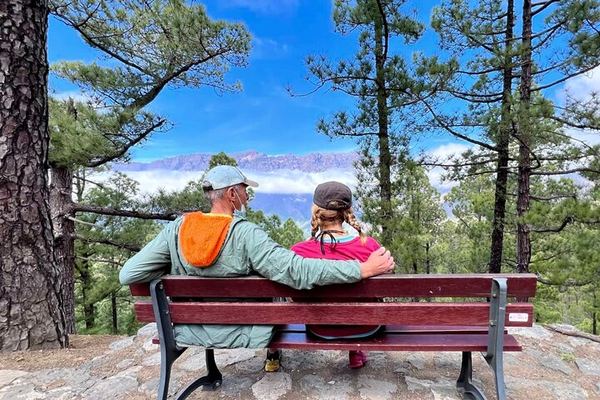
La Palma in a Day from Tenerife: the 2021 Lava and La Cumbrecita
Out on the 8:30 ferry from Los Cristianos and back on the 5 o'clock, with La Cumbrecita, the Tacande exclusion zone and the road built on the 2021 lava.
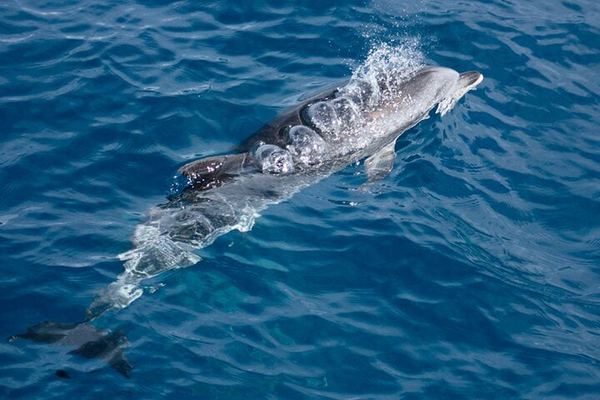
La Palma's Northwest Coast by Boat, Past Tijarafe and Puntagorda
From the sports dock at Tazacorte along the cliffs of Tijarafe and Puntagorda, then out into open water for whales, dolphins and turtles. Sunsets some days.
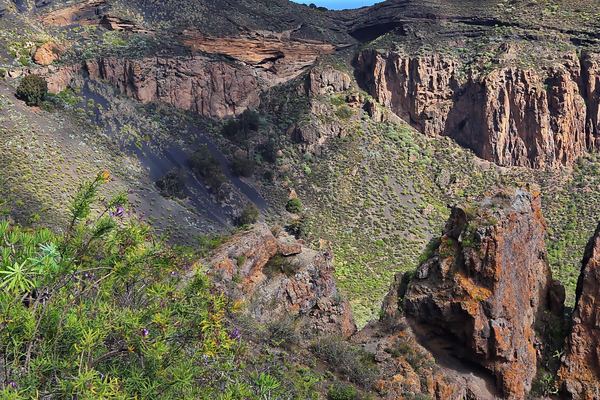
Las Palmas, and 15 Minutes at the Caldera de Bandama
Twenty minutes guided in Vegueta and forty free, fifteen at the Bandama crater, forty-five in the botanical garden. The crater is 1,000 metres across.
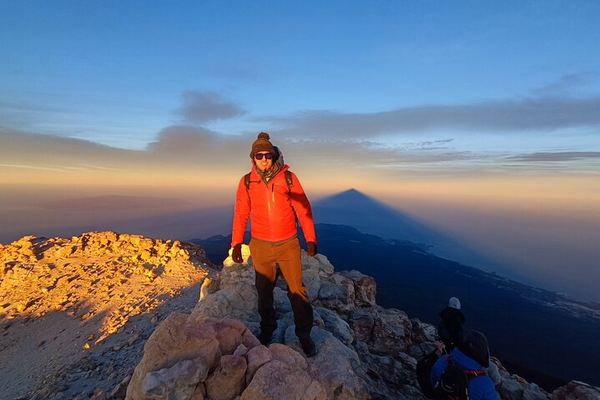
Night Hike to the Summit of Teide, 3,718 m, Sunrise from 3,200 m
The climb to 3,718 metres is done in the dark, and the sunrise is watched from 3,200. The meeting point is the free car park by the Parador de las Cañadas.
Ratings collected by Viator, Tripadvisor and Civitatis
The four islands do not sell the same thing
There is a habit of treating the Canaries as one destination with seven versions. For volcanoes that is wrong in a way that costs people their week. Tenerife sells altitude: a mountain with a cable car on it, a national park with more than four million visitors a year, and a summit cone you climb on foot. Lanzarote sells a surface, about 200 square kilometres of lava laid down between 1730 and 1736, roughly a quarter of the island, crossed on a road in a coach. La Palma sells recency, which is a category of its own, because the rock there is four years old and still warm in places. Gran Canaria sells a good island day that happens to include a caldera.
The table below is the fastest way to see which of those four sentences describes what you were imagining.
| Tenerife | Lanzarote | La Palma | Gran Canaria | |
|---|---|---|---|---|
| Listings here | 41 | 21 | 7 | 4 |
| What you actually do | Go up a 3,715 m mountain, by cable car or on foot | Ride through the 1730 lava fields, mostly seated | Walk to a cone that did not exist in 2020 | See a caldera on a scenic island day |
| The volcano | Teide, last erupted 1909 | Timanfaya, 1730 to 1736 | Tajogaite, 2021 | Bandama, roughly 2,000 years old |
| Usual price | 40 to 95 EUR | 44 to 99 EUR | 27 to 61 EUR | 32 to 84 EUR |
| Reviews behind the catalogue | about 12,900 | about 5,700 | about 2,800 | about 270 |
| Book ahead? | Yes, the summit permit, months | No | No | Roque Nublo needs a guide |
| Half day possible | Yes | Yes | Yes | Yes |
Teide is a mountain; Timanfaya is a bus route
These two carry the Spanish market between them, and they are opposite products sold with the same word. Understanding the difference is most of what this page is for.
Teide is vertical. The road climbs to about 2,350 metres, a cable car lifts you to 3,555 in eight minutes, and the last 163 metres of height to the crater rim are walked. There is a permit for those last metres, a fixed daily quota, a queue for the cable car in the morning and a wind that shuts the whole thing down without notice. The mountain is 3,715 metres by the official survey and the third tallest volcanic structure on earth measured from the seafloor, after Mauna Kea and Mauna Loa. It sits inside a caldera, Las Cañadas, about sixteen kilometres across at its widest, and the whole park has been a UNESCO World Heritage Site since 2007.
Timanfaya is horizontal, and it is not a place you walk. The national park protects the ground left by six years of eruption between 1730 and 1736, which destroyed eleven villages and rearranged the western half of the island. Access inside the national park is by coach on a fixed circuit, with the geothermal demonstrations at the Islote de Hilario and an optional camel ride at the entrance. Every product on this site that promises a walk among the Lanzarote volcanoes, and there are six of them at 42 to 200 EUR, actually walks in the neighbouring Los Volcanes Natural Park, on Montaña Testeina, around El Cuervo and Las Grietas. That is not a swindle. The rock is the same age and the walking is better. It is simply not the national park, and the listings rarely say so.
If what you want is to stand on a volcano and look down into it, go to Tenerife. If what you want is to be driven through a landscape that looks like nowhere else in Europe, go to Lanzarote. Booking one while imagining the other is the most common mistake in this country.
La Palma has the youngest rock in Europe
On 19 September 2021 a fissure opened on the western flank of Cumbre Vieja and did not close until 13 December. Eighty-five days is the longest eruption in the island's written record. It buried about 1,200 hectares, cut the coast road, and left a new cone that has since been named Tajogaite.
What is sold there now is a walk to look at it. The guided route from El Paso runs about 8 kilometres with roughly 300 metres of ascent, takes three and a half to four hours, and costs 35 to 40 EUR. It is the most reviewed single product in the whole Spanish catalogue after the Teide stargazing coaches, with nearly 2,500 ratings at 4.8, which tells you something about how strongly people respond to ground this new.
Two honest warnings. There is no lava. It stopped in December 2021 and what you are walking towards is black rock, steam in a few vents, and the roofs of houses sticking out of it. And the site is a place where people lost their homes four years ago, which several operators handle well and one or two do not.
What the money buys, by island
The spread inside Tenerife is wider than the spread between the four islands, which surprises people who assume the big island is simply the expensive one. A guided stargazing session at 2,200 metres costs 35 EUR. A private guide with a Mercedes and a winery lunch costs 886. Both are Tenerife, and what separates them is group size and whether a vehicle is dedicated to you.
| Type of day | Island | Price | How long |
|---|---|---|---|
| Coach circuit with a stop in the national park | Tenerife | 52 to 65 EUR | 8 to 9 hours |
| Cable car to 3,555 m, no summit | Tenerife | 92 EUR | 7 hours |
| Cable car plus the summit permit | Tenerife | 178 EUR | 6 hours |
| Sunset and stargazing with telescopes | Tenerife | 35 to 109 EUR | 80 minutes to 8 hours |
| Quad or buggy up to the park boundary | Tenerife | 80 to 195 EUR | 3 to 4 hours |
| Timanfaya with the lava caves | Lanzarote | 69 to 99 EUR | 5 to 10 hours |
| Guided walk on the 1730 lava | Lanzarote | 42 to 59 EUR | half day |
| Walk to the 2021 cone | La Palma | 35 to 40 EUR | 3.5 to 4 hours |
| Caldera and the high peaks | Gran Canaria | 32 to 84 EUR | half to full day |
| Private guide with a vehicle | Tenerife | 140 to 886 EUR | 7 to 8 hours |
Three centuries of Spanish eruptions
Six events explain almost everything a visitor sees on these islands. Five of them are on the two islands that sell the most, which is not a coincidence: the tourism follows the rock.
The eruptions that made the Spanish catalogue
Dates from the published volcanological record. Everything on this page grew out of one of these six.
The origins
1730-36
Timanfaya buries a quarter of Lanzarote
Six years of eruption destroy eleven villages and cover roughly a quarter of the island. It is the reason Lanzarote looks the way it does, and the reason the vines at La Geria are grown in pits dug into the ash.
1909
Chinyero, the last eruption on Tenerife
A ten-day eruption on the north-west ridge, above Santiago del Teide. Nothing has erupted on the island since, which is why every Tenerife product is about a mountain rather than about activity.
The growth
1949
San Juan opens Cumbre Vieja
La Palma's southern ridge erupts from three vents over a month. The fissure system that produced it is the same one that opened again in 2021.
1971
Teneguía
Three weeks of eruption at the southern tip of La Palma. It was the last eruption on Spanish land for fifty years, and the crater is now a marked walk.
Today
2011
El Hierro erupts underwater
A submarine vent off La Restinga stains the sea green for months and empties the village. Nothing about it is sold as a tour, because there is nothing above water to look at.
2021
Tajogaite on La Palma
Eighty-five days from 19 September to 13 December, the longest in the island's written record. About 1,200 hectares buried, the coast road cut, and a new cone that is now the most visited thing on the island.
When to come, and the one thing that closes
The Canaries have no closed season and no month in which the volcano tours stop running. Sea-level temperatures move by about eight degrees across the year, the boats keep sailing, the caves stay open and Timanfaya runs in January exactly as it runs in July. That is unusual for a volcanic destination and it is worth knowing, because it removes the pressure to travel in high summer.
One exception, and it is the one that matters. The top of Teide is a genuine winter closure. Snow sits on the high ground from roughly December to April, the cable car stops when the wind is up on any day of the year, and the summit trail is shut whenever the park says it is. If your trip is built around standing on the crater rim, the months that work reliably are May, June, September and October, and you should read the Tenerife pages before you book flights rather than after.
The second thing that moves is the sky. Calima, the Saharan dust that reaches the islands mainly between December and February and again in high summer, turns the air brown, flattens the view from altitude and ruins stargazing for days at a time. Nobody can forecast it more than about seventy-two hours out.
Four things people get wrong before they pay
The Teide cable car does not take you to the top. It stops at La Rambleta, 3,555 metres, and the summit is 3,715. The last 163 metres of height need a separate nominative permit with a fixed daily quota, and the cable car company neither includes it nor sells it. Since 19 January 2026 that permit also costs money, which almost no English-language page has caught up with. The Tenerife pages below carry the current figures.
Timanfaya is not a hike. You will see the fire mountains from a coach seat, feel the geothermal demonstration at the Islote de Hilario, and be back on the bus. The Lanzarote walking products are excellent and they are somewhere else.
La Palma has no lava. Four operators sell the Tajogaite route and all four are honest about it, but the photographs in circulation date from 2021 and people arrive expecting them.
Gran Canaria is a landscape day with a volcano in it. The Bandama caldera is a genuine crater about a kilometre wide and 200 metres deep, and it takes twenty minutes at a viewpoint. What you are really buying is a day across the middle of the island. Note also that since 2025 access to Roque Nublo has been restricted: the parking is gone and you get there by public transport or with an authorised guide, which is why the guided walk costs 84 EUR when it used to be a free car park.
Two islands, two products, one word. On Tenerife the volcano is a summit with a quota on it. On Lanzarote the volcano is the road surface. Neither is better and they are not interchangeable.
Questions people actually ask
Which Canary island is best for volcanoes?
Tenerife if you want to go up something: it has the mountain, the cable car, the summit permit and 41 of the 73 listings here. Lanzarote if you want the strangest ground in Europe without walking far, and it is the better island for a family with mixed appetites. La Palma if what interests you is a recent eruption, and it is the only place in Spain where you can stand on rock that formed in your lifetime. Gran Canaria is the weakest of the four for volcanoes specifically, with 4 listings, though it is a fine island for other reasons.
Can you see lava in Spain?
No. Nothing is erupting anywhere in Spanish territory. The last eruption ended on 13 December 2021 on La Palma, and the last one before that was in 2011, underwater off El Hierro. What is on sale is cooled rock of various ages, from four years old at Tajogaite to nearly three centuries at Timanfaya, plus steam from fumaroles and the artificial geothermal demonstration at the Islote de Hilario, where the ground heat is real and the flame is a party trick performed with brushwood.
Do you need a permit to climb Teide?
For the last 163 metres of height, from the upper cable car station to the crater rim, yes. It is nominative, the daily quota is fixed at 300 people, and in high season it goes months in advance. Since 19 January 2026 it also carries a charge for non-residents. Everything below that line, including the cable car ride itself and the two short trails at the top station, is open without one. The Tenerife and Teide pages below carry the fees, the time slots and the way round it that involves sleeping at 3,260 metres.
Is Timanfaya worth it?
Yes, with the right expectation. It is one of the most complete young lava fields anywhere that a coach can reach, the colours are genuinely unlike anything in Europe, and the drive is well done. But you are seated for most of it, the circuit is fixed, and the whole visit inside the park is short. Most people are happier buying it as part of a day that also includes the Cueva de los Verdes and the Jameos del Agua, which is how the 69 to 99 EUR products are built.
How much does a volcano tour in Spain cost?
Between about 35 and 100 EUR for almost everything a normal traveller wants. The Tajogaite walk on La Palma at 35 to 40 EUR and the small group stargazing on Tenerife at 35 EUR are the cheapest things worth doing. Coach day trips run 52 to 99, the Teide cable car day is 92, and the cable car with the summit permit is 178. Above that you are buying exclusivity: quads and buggies from 80 to 195, and private guides from 140 to 886.
Can you do two islands in one week?
Yes, and the ferries and short flights make it routine. Tenerife to La Palma is a short hop, and one operator sells it as a single 120 EUR day out of Los Cristianos, which is a long day but works. Tenerife and Lanzarote are further apart and better done as two bases. The one combination to avoid is trying to fit the Teide summit into a day you also spend flying, because the permit is tied to a fixed time slot and no airline will care.
When is the best time of year?
Any month works at sea level. For the top of Teide, May, June, September and October, because snow closes the high ground for much of the winter and the cable car stops whenever the wind gets up. For stargazing, avoid the days around the full moon and hope you miss the calima. For Lanzarote and La Palma the calendar barely matters, which is the strongest practical argument for those two islands over almost anywhere else in this catalogue.
Data verified on. Listing counts, prices and ratings read from the Spanish products on this site on 12 August 2026. Eruption dates from the published volcanological record; permit rules from the Cabildo de Tenerife.