
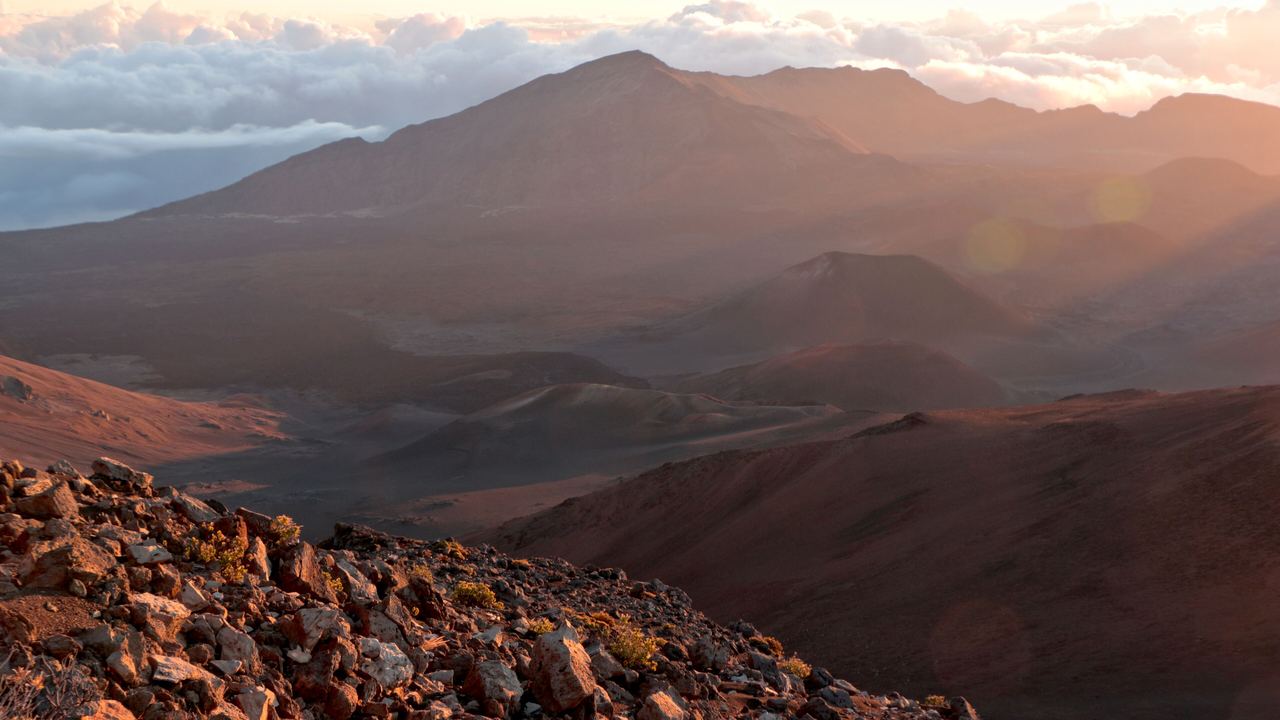
Haleakalā Tours on Maui
3,055 m, sunrise above the cloud, and a permit released 60 days ahead that does not refund when the weather ruins it.
Haleakalā is most of Maui. The eastern three quarters of the island is one volcano, and its summit at 3,055 metres is high enough to stand above the cloud layer that sits over the Pacific most mornings. That is the entire proposition: you get up at two in the morning, drive to the top, and watch the sun come up out of a sea of cloud with the island invisible beneath you. Twelve products sell it, or sell the way down from it, and the volcano itself has not erupted for roughly five centuries.
Three things decide whether this trip works for you and none of them is the price. Whether you can get a reservation, or avoid needing one. Whether the cloud is below the summit that morning or wrapped around it. And whether the thing you actually want is the sunrise at all, because the tour with the best rating on this page happens twelve hours later.
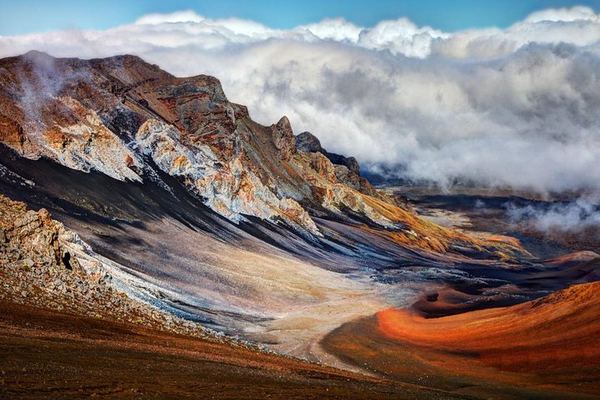
29 Switchbacks Down Haleakala: a Guided Ride from 6,500 Feet to Sea Level
A guided descent rather than a self-paced one, with the 29 switchbacks below the park gate and a check-in at 7.30am that has you back before midday.
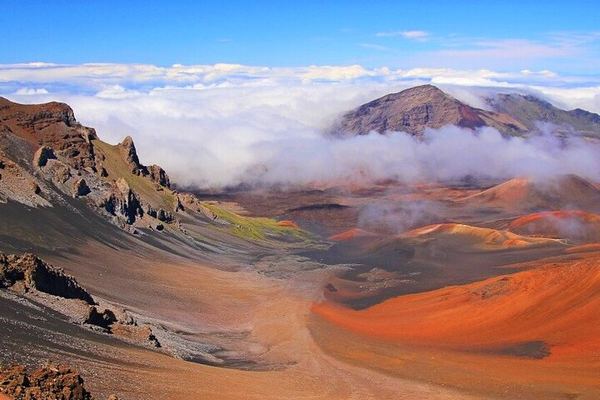
Guided Haleakala Sunrise Descent: 15 Miles from the Park Gate to Makawao
A guide rides the 15 miles with you instead of handing over a map, from the park boundary at 6,500 feet down to Makawao. Riders must be 15 or older.
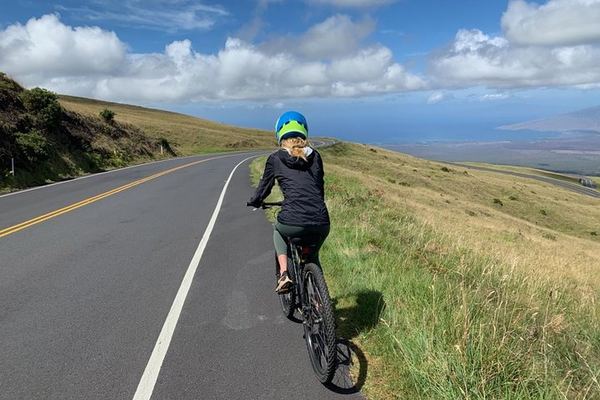
Haleakala Downhill by Bike, Self-Guided from 6,500 Feet with Certified Instructors
The only Maui bike operator run by USA Cycling coaches and BICP instructors, with the descent at your own pace so Makawao and Paia are stops, not blurs.
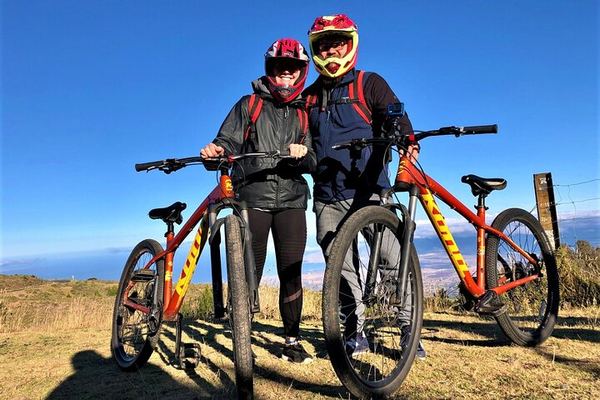
Haleakala Express: 15 Miles Down to Haiku, No Stops Built In
The straight descent with nothing scheduled along the way, on KONA bikes with Helly Hansen rain gear, and riders must be 15 or over with recent experience.
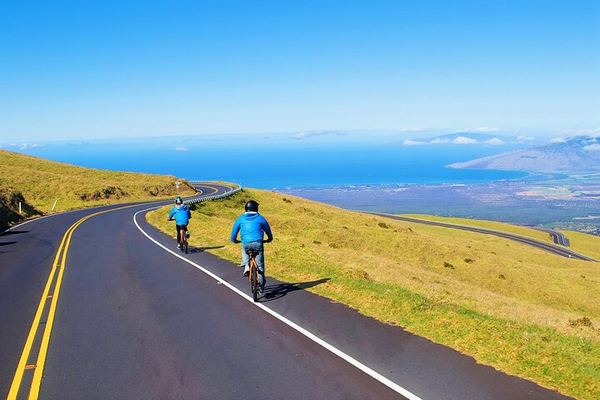
Haleakala Summit and 15 Miles Down: Park Entry Included, Riders from 12
Park admission and a summit visit come before the ride, with a breakfast stop and Makawao on the way down, and riders here can be as young as twelve.
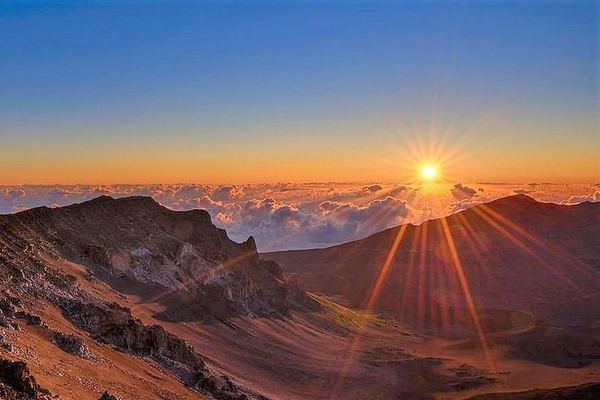
Haleakala Sunrise by Vehicle: Lavender Farms, Hitching Rails and No Bicycle
The sister company of a bike outfit runs this one entirely in a vehicle, with lavender and protea farms at Kula and the old hitching rails at Makawao.
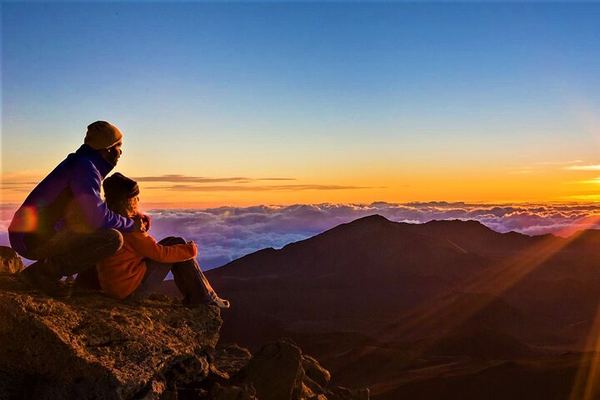
Haleakala Sunrise Ride: 20 Miles Down and the Switchbacks Twice
This ride takes the switchbacks twice and covers 20 miles after sunrise at the summit, with park entry, Kona bikes and rain gear included.
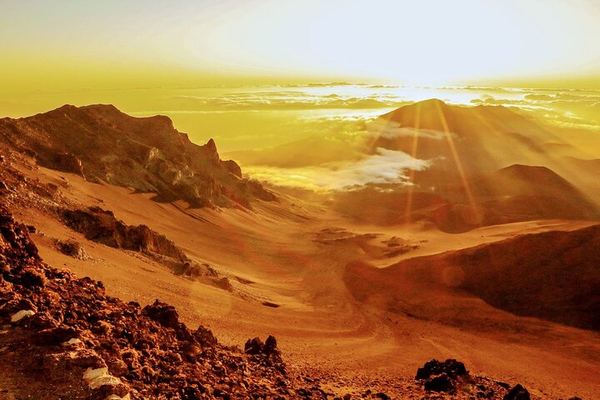
Haleakala Sunrise with Hotel Pick-Up and a Breakfast You Choose From Three
Guides position you for the sunrise, then the ranch lands, then a sit-down breakfast at the Maui Tropical Plantation with three plates to choose from.
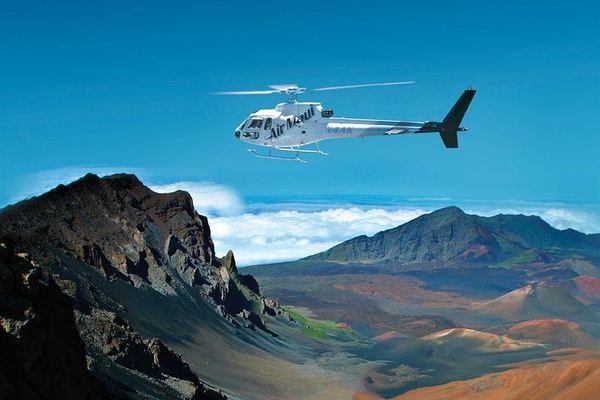
Over the Three Quarters of Maui You Cannot Reach: Haleakala's Rim and the Hana Rainforest
About three quarters of the island has no road into it, so the crater rim, the East Maui waterfalls and the coast are seen from the air with narration.
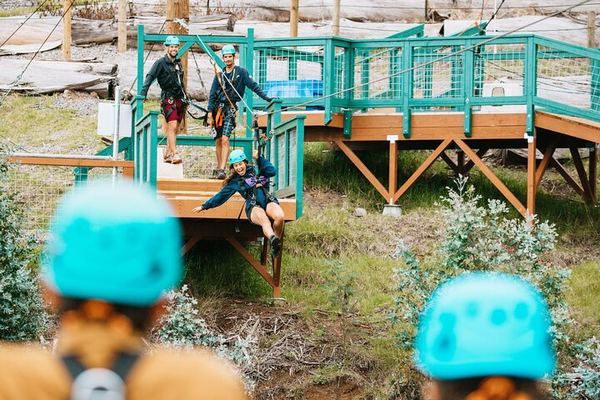
Six Ziplines on Haleakala's Slopes, with Plank Bridges Between Them
An hour and a half of lines strung along the volcano's slopes, over seasonal pools and through the treetops, with plank bridges linking the platforms.
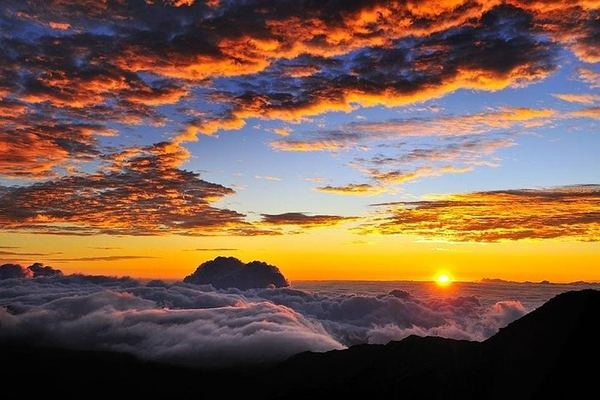
Sunrise at 9,740 Feet on the House of the Sun, with a Sit-Down Breakfast After
The mini coach reaches 9,740 feet for the sunrise, and breakfast afterwards is a sit-down meal in Waikapu rather than something handed out in the cold.
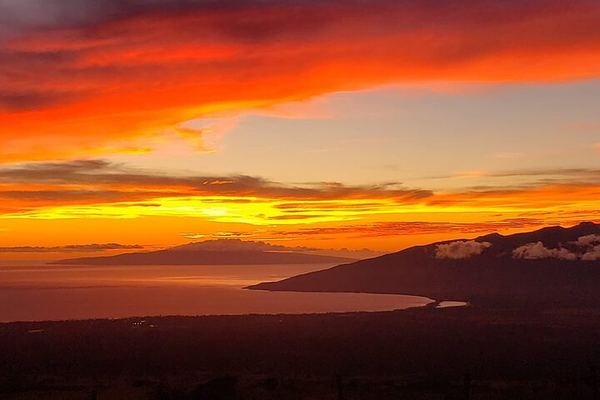
Sunset and Telescopes at 10,000 Feet: Seven People, Warm Coats and Hot Drinks
Seven people at most, with coats, chairs and hot drinks provided for the cold after sunset, and help setting up your phone or camera for the night sky.
Ratings collected by Viator and Tripadvisor
The reservation, and why it catches people
To drive your own vehicle into Haleakalā National Park between 03:00 and 07:00 you need a reservation. It costs one dollar, it is bought on recreation.gov, and it is separate from the entrance fee. Tickets are released 60 days ahead at 07:00 Hawaii time, with a further tranche 48 hours before, and a visitor may only hold one per three-day period.
Two details do the damage. The first is that the 60-day tranche goes quickly, so the reservation is a diary exercise rather than a purchase. The second is blunter: it is not refundable, including when the weather ruins the morning. You are buying an entry slot, not a sunrise, and the park does not pretend otherwise.
This is the practical reason most visitors book a tour. Commercial operators run under their own park authorisation, so a passenger on an authorised sunrise tour does not need the individual reservation. You are paying 224 to 253 EUR to make a one dollar problem disappear, which sounds absurd until you have watched the release window and missed it.
| Haleakalā, Maui | Hawaiʻi Volcanoes, Big Island | |
|---|---|---|
| Private vehicle | 30 USD | 30 USD |
| Valid for | Three days | Seven days |
| Per person on foot or bicycle | 15 USD | 15 USD |
| Extra booking needed | Yes, 1 USD for entry 03:00 to 07:00 | None |
| Open | All year; summit road always open | 24 hours, 365 days |
| Tri-Park Annual Pass | 55 USD, covers both | 55 USD, covers both |
| What is erupting | Nothing; last eruption about five centuries ago | Kīlauea, in episodes since December 2024 |
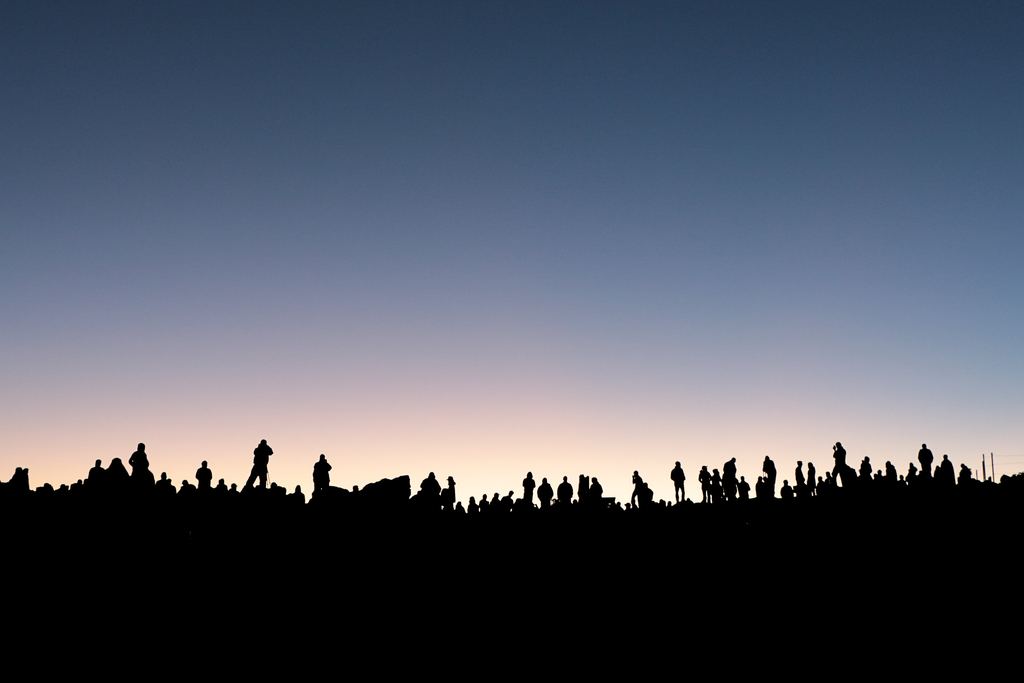
What three in the morning actually looks like
The tours collect from Kahului and the west Maui resorts somewhere between 02:00 and 03:30, depending on the time of year, because sunrise on Maui moves by more than an hour across the calendar: around 05:45 in late June, closer to 07:00 in early January. In summer that means leaving your hotel at half past two.
The park describes conditions immediately before dawn in its own words as regularly wet, windy and below freezing. At 3,055 metres, in the dark, that is not an exaggeration and it is the thing visitors are least prepared for. Every reputable operator supplies parkas, and people still shiver. Wear long trousers, closed shoes and a proper jacket underneath whatever they hand you. A tropical island is not the context here; the summit is.
The case for going at sunset instead
One product on this page goes up in the evening rather than before dawn. It costs 216 EUR, runs five to six hours, carries seven people at most, adds an astronomer with a telescope once it is dark, and is rated 5.0. It is also the least booked thing here, with 53 reviews against 2,403 for the most popular sunrise trip.
Consider what it avoids. There is no reservation, because the requirement applies only between 03:00 and 07:00. There is no 02:30 pick-up. The same cloud layer is there, lit from the other side. And afterwards you are at 3,000 metres on a certified dark island with no light pollution beneath you, which is a second thing the morning trip cannot offer at all.
The sunrise is genuinely spectacular and there is a reason 2,403 people rated one product 4.7. But the sunrise is also the version everyone books, which means a full car park, a crowded overlook and a queue on the road down. If you are choosing on experience rather than on the photograph everyone recognises, the evening is the better trip.
The sunrise reservation exists because too many people wanted the same forty minutes. Nobody has ever needed a permit for the sunset.
The bike ride does not start where you think
Seven of the twelve listings are downhill bicycle products, and they are the reason Haleakalā has a reputation for a 60 kilometre coast from the summit to the sea. That is no longer what happens, and the operators' own descriptions say so.
Commercial bike tours no longer begin inside the national park. Every listing here starts the ride at 6,500 feet, about 1,980 metres, just outside the park entrance, and runs 15 to 20 miles down to Haiku, Makawao or Paia on the north shore. That is still a thousand metres of descent and a very good morning. It is not the summit, and you do not ride inside the park.
Within that, two distinctions matter. Guided or self-guided: the guided rides put a certified leader in front of you and cost 280 EUR, the self-guided ones hand you the bike and a route and start at 123. And sunrise or not: a sunrise bike tour drives you to the top for the light first, then shuttles you back down to 6,500 feet to start riding, which makes it a nine or ten hour day. An express ride skips the summit entirely and is done by mid-morning for 129 EUR.
The ratings here are the lowest on the page, 4.6 to 4.9, and the guided sunrise ride at 280 EUR sits at 4.6. Long days, cold starts and a descent some people find more nerve-wracking than they expected all show up in the reviews.
| What you book | Price | Rating | Note |
|---|---|---|---|
| Self-guided downhill bike ride | 123 EUR | 4.9 (526) | The cheapest experience in the United States on this site |
| Day bike tour to Paia | 128 EUR | 4.6 (95) | Starts at the park entrance, ends on the north shore |
| Express self-guided bike ride | 129 EUR | 4.7 (273) | 15 miles from 6,500 ft to Haiku, no summit |
| Six-line zipline on the volcano's flank | 148 EUR | 4.8 (930) | Not a summit trip at all |
| Summit tour then self-guided ride | 210 EUR | 4.7 (107) | Tours the park first, then 15 miles down |
| Sunset and astronomy tour | 216 EUR | 5.0 (53) | Small group, no reservation needed, best rated here |
| Sunrise with local breakfast | 224 EUR | 4.7 (2,403) | The most reviewed Haleakalā product |
| Majestic sunrise with pick-up | 233 EUR | 4.8 (686) | Hotel collection included |
| Sunrise self-guided bike ride | 240 EUR | 4.7 (768) | 20 miles, rides the switchbacks twice |
| Classic vehicle sunrise with breakfast | 253 EUR | 4.7 (169) | Explicitly not a bike tour |
| Guided sunrise bike tour | 280 EUR | 4.6 (287) | Certified guide leading the descent |
| Hana rainforest and crater helicopter | 324 EUR | 4.7 (151) | Over the north-east rim and the east Maui waterfalls |
The mountain, and what is on it
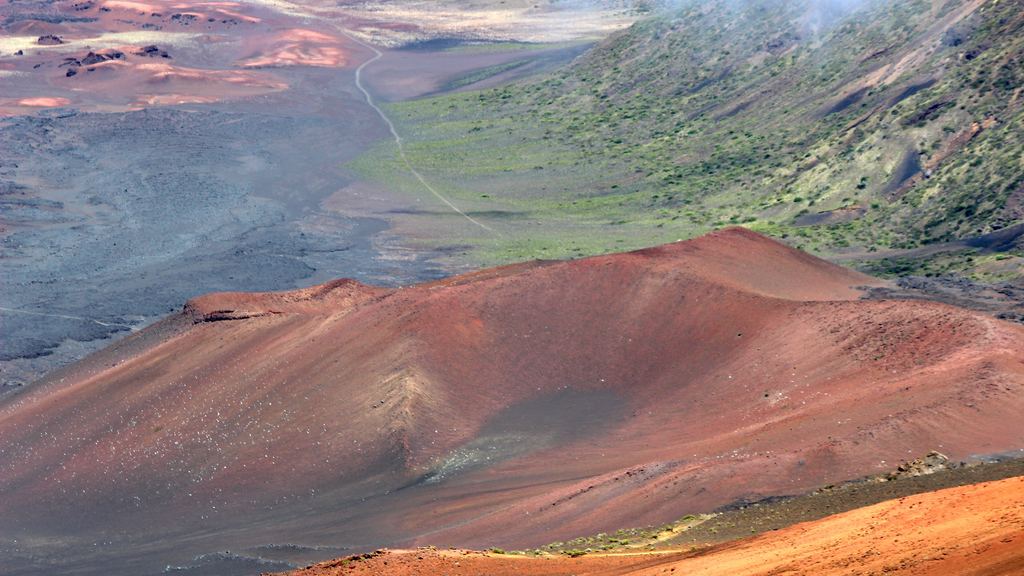
The bowl at the summit is not a caldera in the strict sense. It is a valley cut by erosion where two large drainages met at the top of the volcano, later part-filled by cinder cones from later eruptions, which is why the floor looks like a desert with hills on it rather than like a crater. It is roughly eleven kilometres long, and the Sliding Sands trail drops into it from the rim if you have the day and the legs.
Two living things here exist nowhere else. The ʻāhinahina, the Haleakalā silversword, grows only on this mountain, takes decades to flower, and dies after it does. The nēnē, the Hawaiian goose, is the state bird and came back from a population of about thirty in the 1950s. Both are on the roadside and both are protected: do not touch the silverswords, whose shallow roots are damaged by footsteps, and do not feed the geese.
The volcano is dormant rather than extinct, with its most recent eruption around five hundred years ago on the south-west rift. Nothing is happening on it, there is no lava, and the geology is the setting rather than the show.
The cloud, and the thing nobody guarantees
The whole experience depends on where the cloud sits. On a good morning the inversion layer holds at around 2,000 metres and the summit stands clear above an unbroken white floor. On a bad one the cloud is at 3,100 metres and you are inside it, in the dark, at freezing point, having paid 233 EUR and got up at half past two.
Nobody can forecast which you will get with useful accuracy, the reservation does not refund, and most tours do not either once they have collected you. That is the honest risk of this trip and it is worth naming before you build a Maui itinerary around it. If you have several days on the island, keep the sunrise flexible and go on the morning the forecast looks least bad, rather than fixing it to your first night.
There is no seasonal table on this page because Haleakalā has no closed season: the summit road is open all year and the tours run every day. What varies is the sunrise time, which shifts by more than an hour between June and January, and the cloud, which varies by the morning rather than by the month.
Questions people actually ask
Do I need a reservation for the Haleakalā sunrise?
For your own vehicle, yes: one dollar on recreation.gov for entry between 03:00 and 07:00, released 60 days ahead at 07:00 Hawaii time with more at 48 hours, one per visitor per three-day period, and non-refundable including for weather. On a commercial tour, no: authorised operators run under a park authorisation of their own, which is the main practical reason to book one.
Is the sunrise worth getting up at 2 am for?
On a clear morning, yes, and 2,403 people have rated one product 4.7 after doing it. On a cloudy one you have spent 233 EUR to stand in freezing fog. The alternative worth knowing about is the sunset and astronomy tour at 216 EUR: no reservation, no 02:30 pick-up, the same cloud layer lit from the other side, stars afterwards, and the highest rating on this page.
Do the bike tours start at the summit?
No. Commercial rides no longer begin inside the national park. Every operator here starts the descent at 6,500 feet, about 1,980 metres, just outside the park entrance, and rides 15 to 20 miles down to Haiku, Makawao or Paia. Sunrise versions drive you to the top for the light first and then shuttle you back down to the start. It is still a thousand metres of descent; it is not a ride from the top.
How cold is it up there?
Below freezing before dawn is normal and the park says so in writing, along with wet and windy. It is 3,055 metres. Operators supply parkas and people are still cold. Wear long trousers, closed shoes, a warm layer and a hat under whatever they give you, and remember that the temperature you left at sea level tells you nothing.
What does it cost to get in?
30 USD per private vehicle, valid three days, which is worth noting because the identical fee at Hawaiʻi Volcanoes on the Big Island lasts seven. 15 USD per person on foot or by bicycle, 25 USD for a motorcycle. A Hawaiʻi Tri-Park Annual Pass covering both islands is 55 USD. The sunrise reservation is a separate dollar on top.
Is Haleakalā an active volcano?
Dormant. Its last eruption was roughly five centuries ago, on the south-west rift, and there is no current activity of any kind. If you want to see an active volcano in Hawaiʻi, that is Kīlauea on the Big Island, a flight away. People book Haleakalā for the altitude, the light and the strangeness of the summit valley, and the volcano is what put all three there.
Can I hike into the crater?
Yes. The Sliding Sands trail drops from the rim onto the valley floor and it is a serious walk: everything you descend has to be climbed back, at over 2,700 metres, on loose cinder, in sun with no shade. None of the twelve products here is a crater hike, so it is something you organise yourself with a car, a full day, several litres of water and an early start.
Which Haleakalā tour should I book?
If you want the classic sunrise, the 224 to 233 EUR vehicle tours with hotel pick-up are the straightforward choice and carry the most reviews. If you want the mountain without the crowd, the 216 EUR sunset and astronomy tour. If you want the ride, the 123 EUR self-guided descent is the best value experience in the American catalogue on this site, rated 4.9 across 526 reviews.
Data verified on. Prices, ratings and itineraries read from the twelve Haleakalā products on this site. Fees, sunrise reservation rules and summit conditions from the National Park Service.