
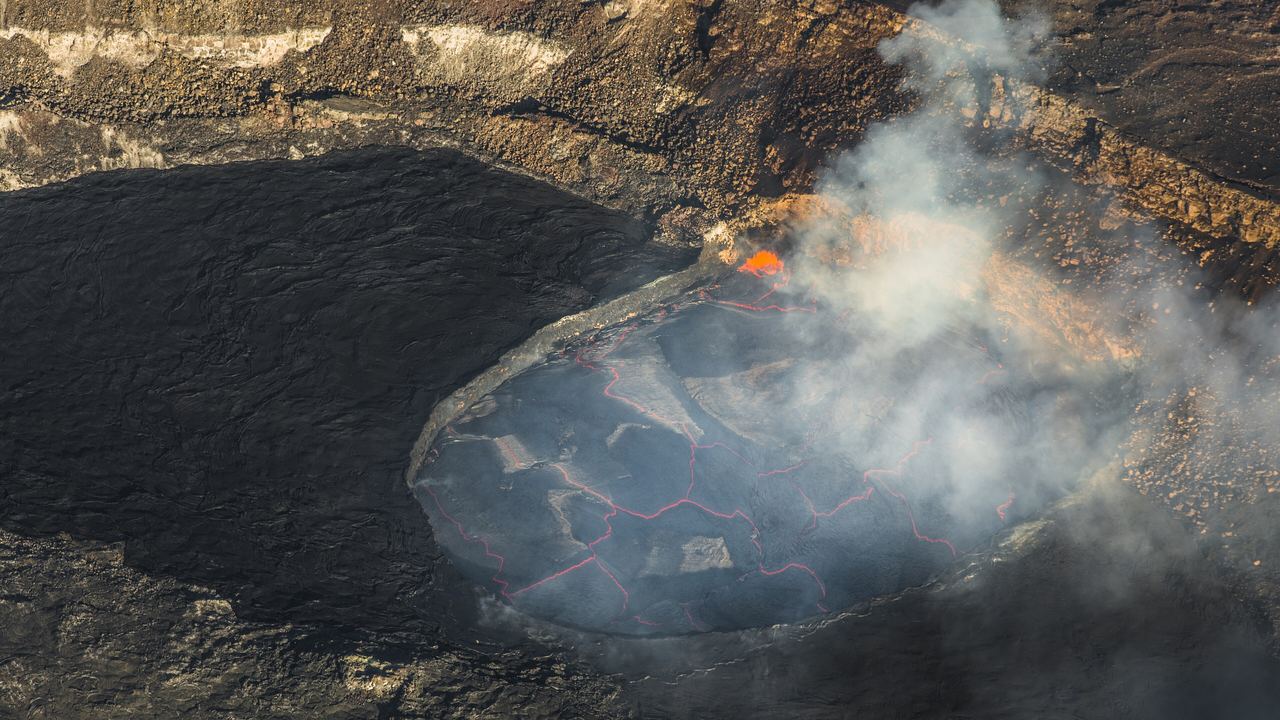
Hawaiʻi Volcanoes National Park Tours
The park opens every day of the year. The eruption does not, which is why this page is named after the park and not after Kīlauea.
A caldera roughly five kilometres across, a road that drops a thousand metres to the sea over old lava, a walkable tube left by a river of molten rock, and a crater floor you can cross on foot that was a lake of lava within living memory. All of that is here on any day of the year, whether or not anything is erupting. That distinction is the single most useful thing to understand before booking, because 41 experiences are sold on this park and a good number of the people buying them think they are buying lava.
What follows is the park: how it is laid out, what each road and trail actually gives you, how long the drive is from Hilo and from Kona, and how the five groups of tour differ. The detail of each group, including what a shore excursion can realistically fit into a ship's window and why the flights from Oahu eat the day, lives on the five pages below.
Choose a destination in Hawai'i Volcanoes National Park
-
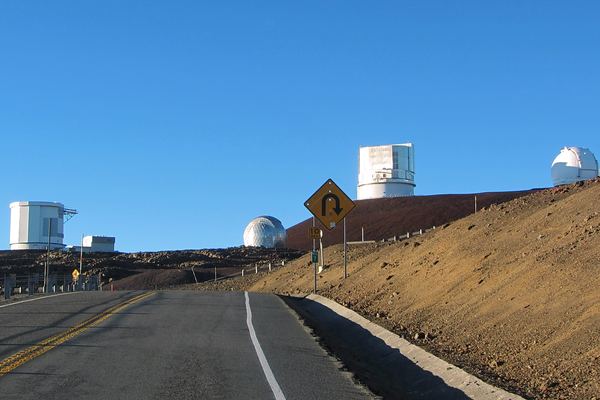
Mauna Kea & Stargazing
Mauna Kea summit sunset and stargazing tours on the Big Island: 4,207 m, a 4x4 you are not allowed to drive yourself, and stars watched from lower down.
7 experiences -
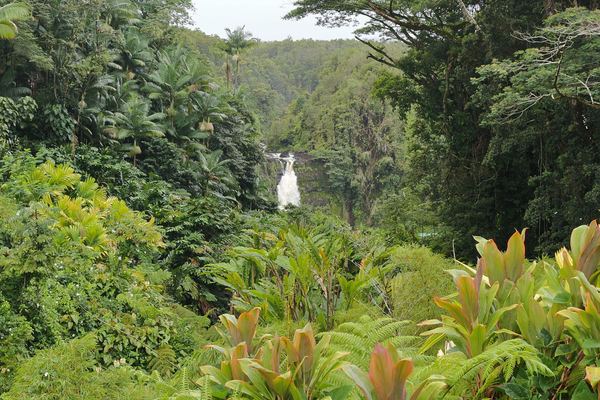
Waterfalls & Black Sand Combos
Big Island day trips pairing Hawaiʻi Volcanoes National Park with ʻAkaka Falls, Rainbow Falls and the black sand beach at Punaluʻu, from Hilo, Kona and the…
12 experiences -
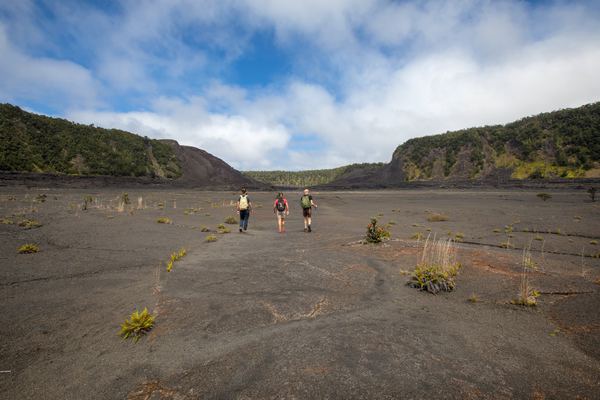
National Park Tours
Guided tours of Hawaiʻi Volcanoes National Park itself: the caldera overlooks, Nāhuku, Kīlauea Iki and Chain of Craters Road, from Hilo, Kona and Waikoloa.
12 experiences -
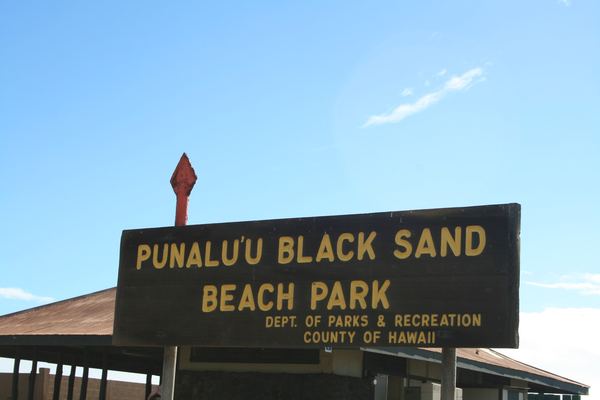
Cruise Shore Excursions
Shore excursions to Hawaiʻi Volcanoes National Park from the cruise pier at Hilo: 45 minutes to the gate, timed to the ship, and why Kona calls cannot do it.
6 experiences -
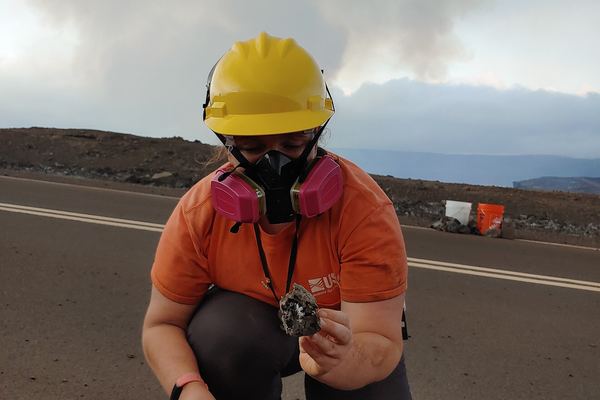
Kīlauea Tours from Oahu
Day trips to Kīlauea and Hawaiʻi Volcanoes National Park from Honolulu: a return inter-island flight and twelve hours door to door, of which about three are…
3 experiences


Volcano Travel Experiences in Hawai'i Volcanoes National Park
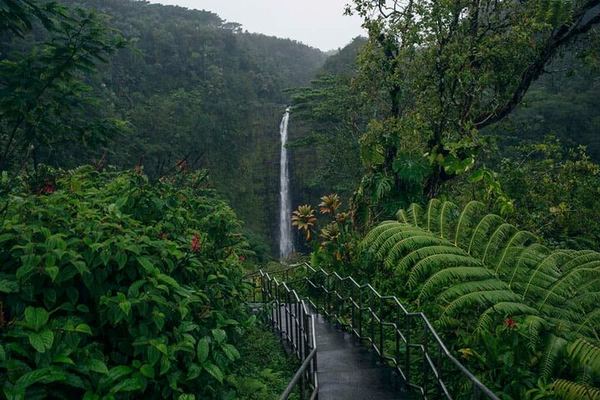
Akaka Falls at 442 Feet, plus Hilo and a Self-Guided Volcanoes Explorer
Three packages in one: the 442-foot waterfall, seven stops around Hilo including the Kamehameha statue, and a self-guided run through the national park.
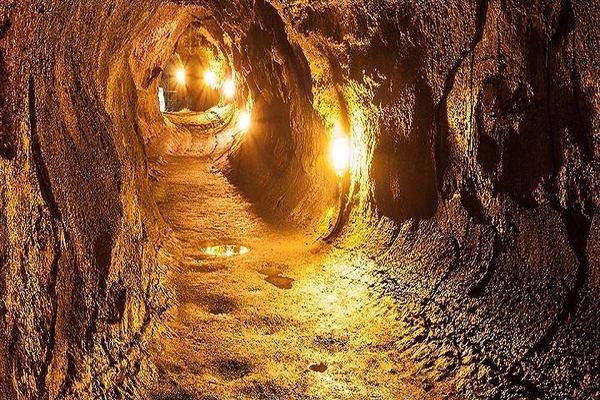
All Five Big Island Volcanoes in One Day from Oahu
The route passes every one of the island's five volcanoes, with Kilauea's steam vents, the Thurston lava tube and the Kona coffee belt on the same day.
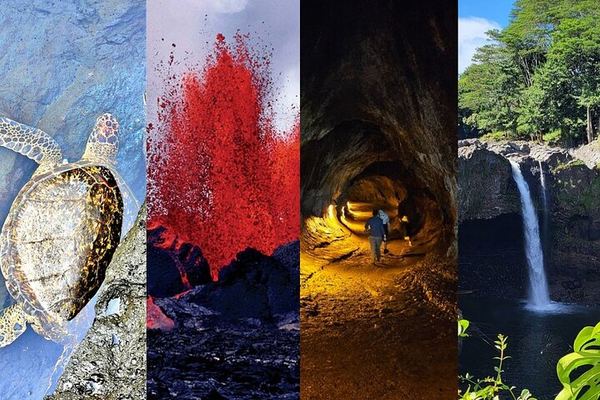
Big Island Day Tour with Native Hawaiian Guides: the Quarter-Acre Banyan
Native Hawaiian guides, an hour at the Hilo farmers market, and the banyan beside Rainbow Falls that covers a quarter of an acre and gets climbed and swung from.
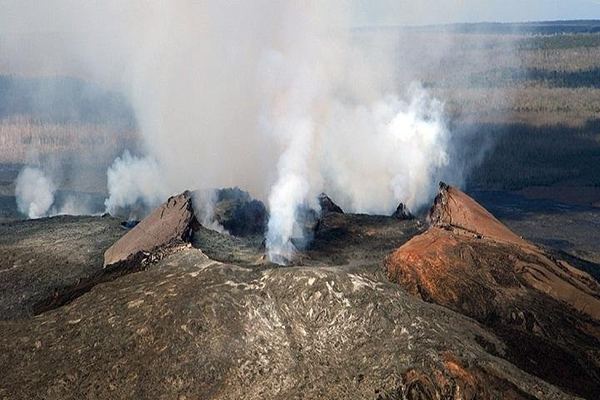
Big Island in a Day from Oahu: Inter-Island Flights and Kilauea Included
Round-trip inter-island flights are in the price, and the day runs from Halemaʻumaʻu's glow to the southernmost bakery in the United States.
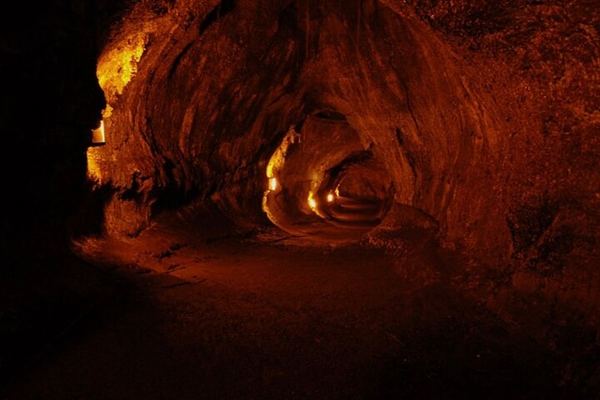
Big Island in Half a Day: Rainbow Falls, a 600-Foot Lava Tube, Punalu'u
Rainbow Falls, the Kilauea caldera, a 600-foot lava tube and Punalu'u black sand beach, with lunch included. Hilo-area pick-up and 15 steps underground.
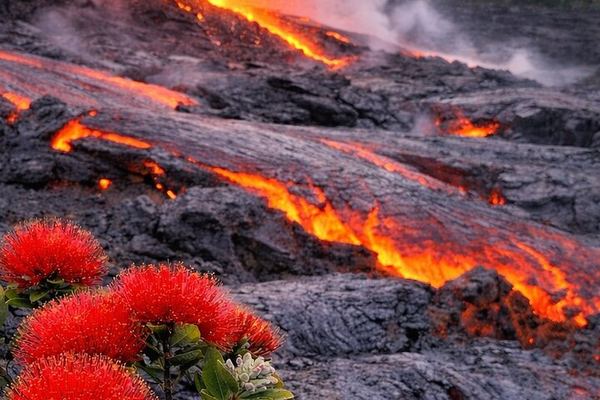
Big Island Scenic Day: a Waterfall Coming Out of a Lava Tube
Kawainui Falls comes straight out of a giant lava tube, a stop no other Hilo day tour makes. Groups of thirteen, cold drinks included, lunch, and ages 5 and up.
Big Island Twilight: Kona Coffee, Black Sand, the Thurston Tube and Stars
Lunch and dinner are both included, from a picnic above Kealakekua Bay to a dark stop on Saddle Road, with malasadas and green sea turtles along the way.
Big Island Volcano Day Trip from Honolulu: Flights, Waikiki Pick-Up and Kilauea
The interisland flight from Honolulu and the Waikiki hotel transfer are both in the booking, with a guided run through Kilauea, Chain of Craters Road and Hilo.
Circle the Big Island: a Living History Coffee Farm and Akaka's Paved Loop
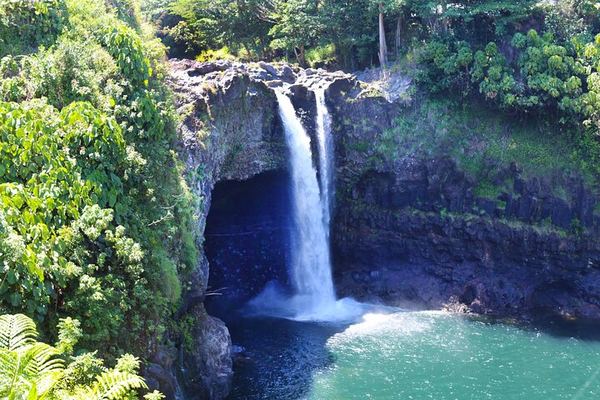
Costumed interpreters work the coffee farm at Captain Cook, and the trail to the 442-foot Akaka Falls is paved. Sprinter van, owner-guide, water and snacks in.
E-Bike Hawaii Volcanoes: Keanakakoi, Reachable Only on Two Wheels or on Foot
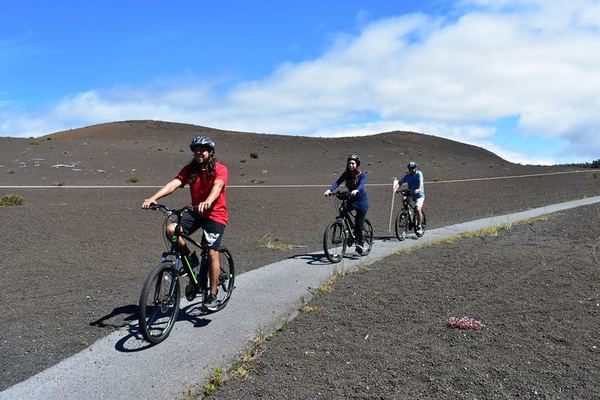
Guided tours are barred from the park's bike trails, so the e-bike reaches Keanakakoi Overlook and the crater rim. Lunch at Volcano House, GPS audio throughout.
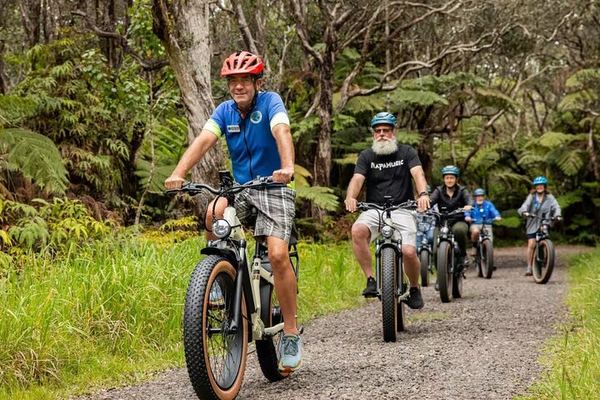
Fat Tire E-Bike in Volcanoes National Park: Rain or Shine, Riders Only
Pedal assist, a throttle and torque sensors, on the same paved roads as the cars. It runs in the rain without refunds, and it assumes you can already ride.
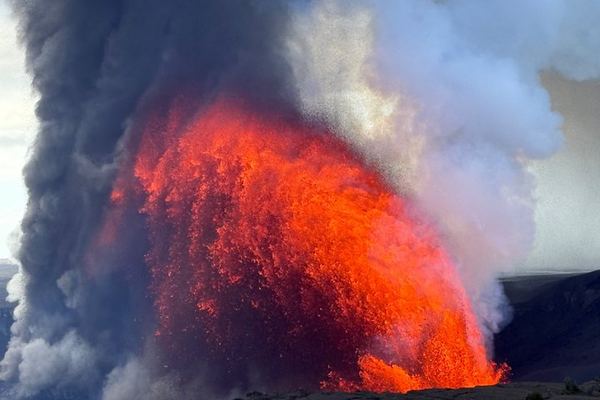
Hilo Half-Day: Kilauea Lodge Lunch, Punalu'u and 15 Steps in the Lava Tube
Lunch at the Kilauea Lodge is included, and the day ends on the black sand at Punalu'u. Hilo-area pick-up only; about 15 steps inside the lava tube.
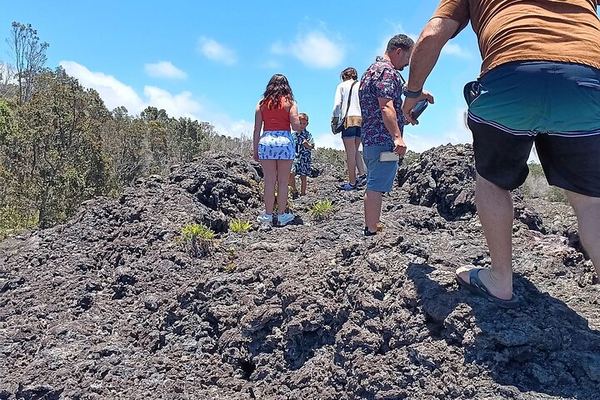
Hilo Shore Excursion by an Independent Guide: Peacock Lava and Fruit from the Farm
An independent guide, not the cruise line's, who feeds prawns off a wooden bridge, brings fruit from their own farm, and photographs you inside a lava fissure.
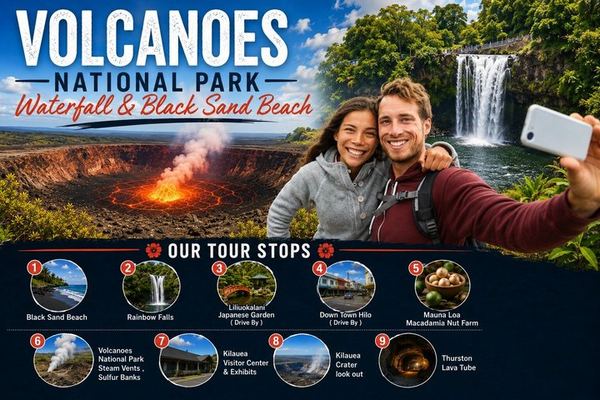
Hilo Shore Excursion: Kilauea Caldera, Thurston Lava Tube and Black Sand Beach
A permit-holding operator that collects passengers inside the Hilo cruise terminal and times the day to the ship. Easy grade, 14 seats, Park Pass accepted.
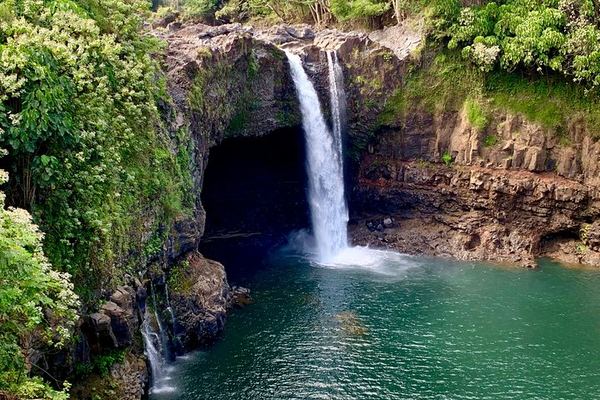
Hilo Shore Excursion: Kilauea's Caldera, a Lava Tube and the Gardens
Timed to a ship's day in port: the Kilauea caldera and its steam vents, a 500-year-old lava tube, then Rainbow Falls and the gardens on Hilo Bay, in a small group.
Hilo Shore Excursion: the 2018 Flow, the Newest Black Sand Beach in Hawaii
The 2018 eruption evaporated the largest freshwater lake in Hawaii and left a beach where a boat harbour was. Port pick-up under permit, ship times honoured.
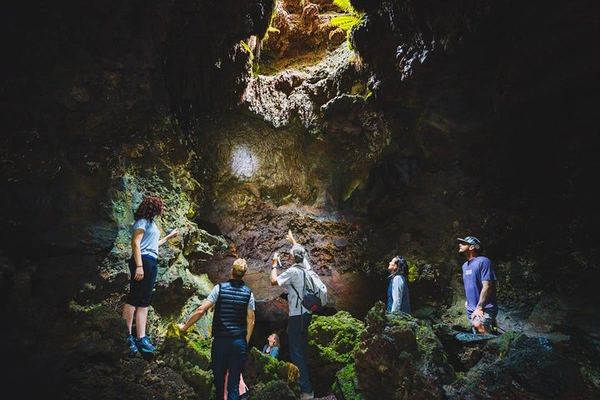
Hualalai Hidden Craters Hike: Private Land Behind Three Locked Gates
Three locked gates and private land on Kona's own volcano, with a wild lava tube and the fissures of its last eruption. No park crowds and no long drive.
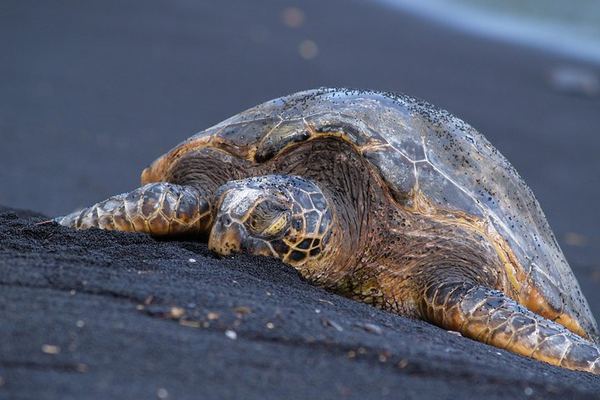
Kailani Big Island Day: The Rim at Volcano House and Hot Towels on the Way Back
Lunch at The Rim over the Kilauea caldera with live music, free donuts at the southernmost bakery, and hot towels in the Sprinter before the last waterfall.
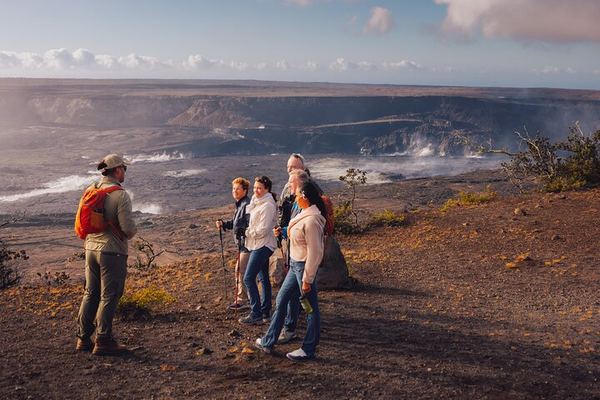
Kilauea After the Collapse, and a 1,000-Acre Cacao Farm with Its Own Waterfall
Park-certified guides on ground the Halemaumau collapse rewrote, then tree-to-bar chocolate on a private farm with a waterfall of its own to sit beside.
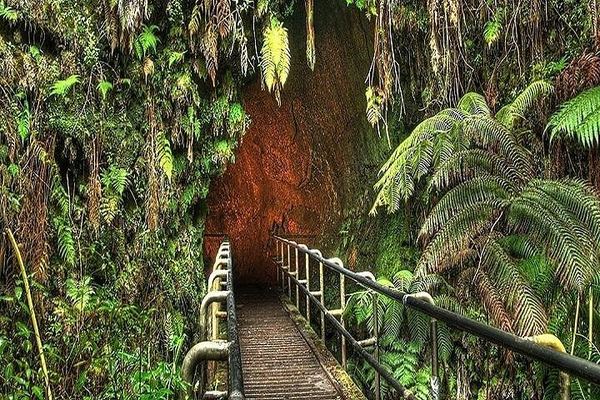
Kilauea and the Big Island Loop: Greenwell Farms 1850 to the Southernmost Bakery
A coffee farm planted in 1850, the southernmost bakery in the US, Halema'uma'u and the Thurston tube, then Saddle Road and Hilo. The whole island in a day.
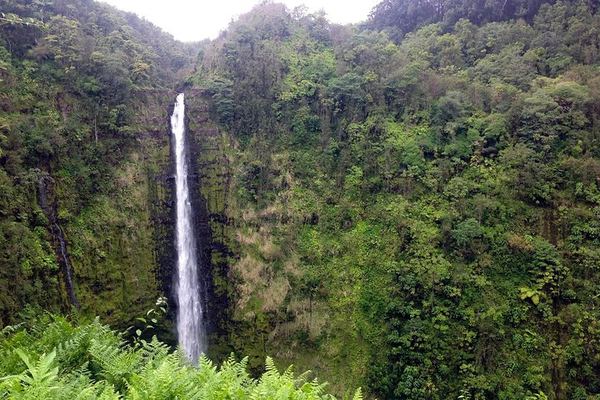
Kona to Kilauea via the Hamakua Coast: Laupahoehoe, Akaka Falls, East Rift
Up the wet side first: Waimea, the pinnacles at Laupahoehoe and Akaka Falls, then Kilauea's caldera and the east rift. Small group, or private on request.
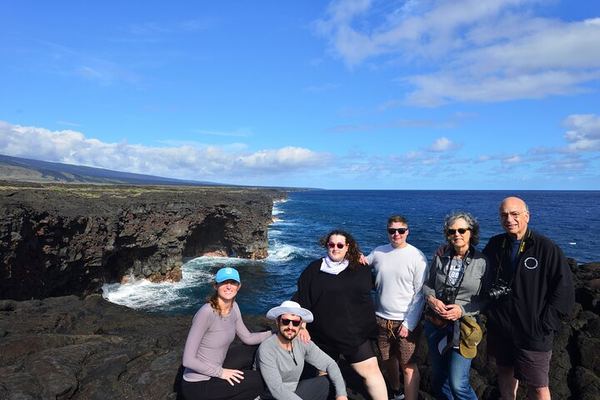
Kona to Volcanoes with a Geologist's Company: Lunch at the Rim, Saddle Road Home
The company was started by a geologist, and it shows: lunch over the Kilauea caldera, the full Chain of Craters, and the 1936 flow marked on Saddle Road.
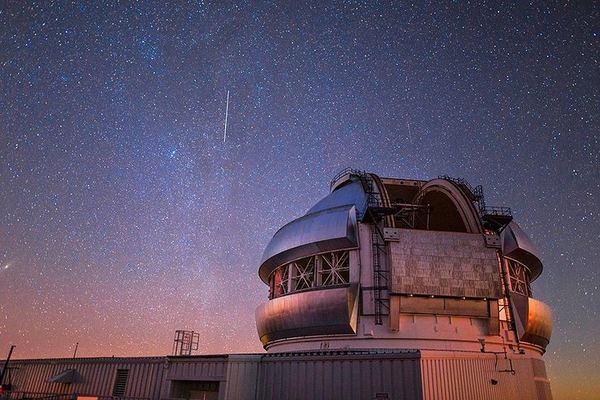
Mauna Kea Small Group: Hawaiian Star Navigation and Two Telescopes
A warm picnic dinner, Hawaiian star navigation explained before the summit, and both an 11-inch Celestron and a Stellina that captures images you keep.
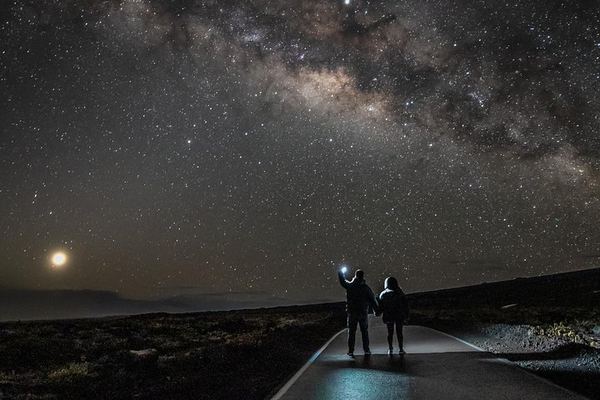
Mauna Kea Stargazing with a Free-If-Cloudy Guarantee and Milky Way Portraits
An astronomer and an astro-photographer, reclining chairs and a screen-based telescope with no eyepiece. If the stars stay hidden, the session costs nothing.
Ratings collected by Viator and Tripadvisor
How the park is laid out
Almost everything a visitor does sits in two places joined by one junction. The summit area, around the rim of the Kīlauea caldera, holds the overlooks, the steam vents, Nāhuku and the Kīlauea Iki trailhead. From there Chain of Craters Road runs 18.8 miles south-east and downhill, past a line of pit craters and across lava fields of different ages, until it reaches the coast and stops where a flow crossed it in 2003. Allow two to three hours for the round trip with stops; there is no petrol, no food and no way through at the far end.
The rest is wilderness. Over 123,000 acres of the park are legally designated as such, and a separate section, the Kahuku Unit on the southern flank of Mauna Loa, opens only Thursday to Sunday, 08:00 to 16:00. Almost no commercial tour goes there.
| Where | Time needed | What it is |
|---|---|---|
| Caldera rim overlooks | 30 to 90 minutes | Uēkahuna, Kīlauea Overlook, Kūpinaʻi Pali and Keanakākoʻi: the four places the park points you for eruption viewing |
| Steam vents at Kūkamāhuākea | 15 minutes | Ground water hitting hot rock and coming back up as steam, a few steps from the car park |
| Nāhuku, the Thurston lava tube | 20 to 30 minutes | A walkable tube left by a lava river, lit daily from 08:00 to 20:00 |
| Kīlauea Iki Trail | 2 to 3 hours | A 3.3 mile loop that drops about 400 feet onto the floor of a crater that held a lava lake in 1959 |
| Chain of Craters Road | 2 to 3 hours return | 18.8 miles of descent to the sea across flows of many ages, ending at the Hōlei Sea Arch |
| Devastation Trail | 30 minutes | A short paved walk through the cinder field thrown out by the 1959 eruption |
| Kahuku Unit | Half a day | A former cattle ranch on Mauna Loa, open Thursday to Sunday only |

What you see when nothing is erupting
This is the honest version of the park and it is better than the marketing suggests. Kīlauea Iki is a crater you walk into: down through rainforest on the wall, then across a floor of cracked black rock that steams in places, with the far wall rising 120 metres above you. It was a lake of molten lava in 1959, when fountains reached nearly 600 metres, and the surface you cross is that lake, cooled.
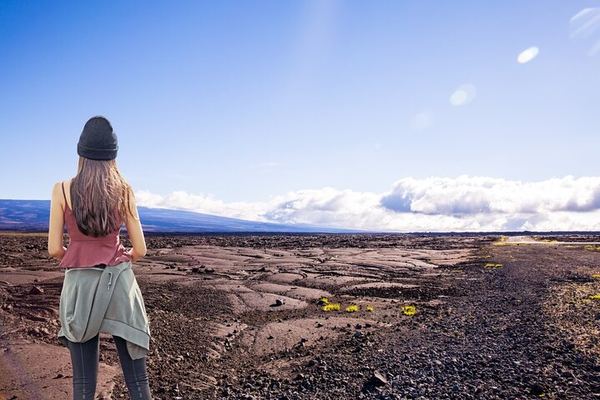
Then there is the coast. Chain of Craters Road ends where the 2003 flow ran over it, and the last kilometre is a walk on lava that is younger than most of the people walking on it. Neither of these needs an eruption and neither depends on the weather, which makes them the reliable core of any day here. The lava, if it appears, is a bonus rather than the plan.
The eruption, and how to read what the park says about it
Since 23 December 2024 Kīlauea has been running an episodic lava fountaining eruption inside Halemaʻumaʻu, the crater within the summit caldera. Episodic is the operative word. An episode begins, fountains for something under twelve hours, and ends; the gap before the next has run from about ten days to more than three weeks. The USGS keeps the volcano at advisory level and publishes a status page that is updated as the situation changes, which is the only source worth trusting on any given morning.
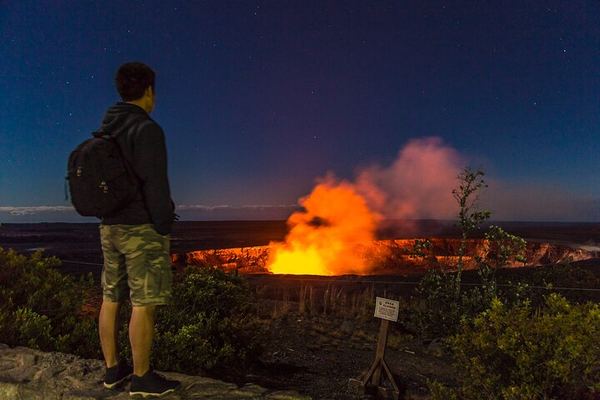
The eruption site itself is closed to the public: volcanic gas, unstable cliff edges, ground cracks and falling material. What is open are four points on the caldera rim, and when an episode is running the fountains are visible from them. When one is not, you are looking at a crater with a gas plume coming out of it, which is a serious sight in its own right and is not what the photograph on the listing showed you.
Do not book a date because you read that Kīlauea is erupting. Check the USGS status page the week you travel, and treat anything an operator promises about lava as weather rather than as a booking condition.

Four hundred years, and the day the summit fell in
Kīlauea is one of the best documented volcanoes on Earth, partly because an observatory has sat on its rim since 1912. The events below are the ones whose evidence you can still walk on.
The eruptions that made the park you visit
Each of these left something a visitor can still stand on, drive across or look into.
The origins
1912
An observatory on the rim
Thomas Jaggar establishes the Hawaiian Volcano Observatory on the edge of the caldera, beginning a record of continuous monitoring that no other volcano in the country has.
1916
The park is created
Congress establishes Hawaii National Park, covering Kīlauea, Mauna Loa and Haleakalā on Maui. The Maui section becomes a separate park in 1961.
The growth
1959
Kīlauea Iki fills with lava
Fountains reaching nearly 600 metres pour into the Kīlauea Iki crater and leave a lava lake on its floor. That floor is the surface the trail crosses today, and the cinder they threw out is Devastation Trail.
1969-74
Maunaulu buries the road
A five-year eruption on the upper East Rift Zone sends flows across Chain of Craters Road and down to the sea, adding new coastline and cutting the road for years.
1983-2018
Thirty-five years at Puʻu ʻŌʻō
A vent on the East Rift Zone erupts almost continuously for three and a half decades, building a cone, destroying villages and adding hundreds of acres of land to the island.
Today
2018
The lower Puna eruption and the collapse
The first fissure opens in Leilani Estates on 3 May and a magnitude 6.9 earthquake follows the next day. Lava covers 13.7 square miles, destroys around 700 homes and 30 miles of road, and buries Kapoho and Vacationland. Meanwhile the summit drains: over 60,000 earthquakes, Halemaʻumaʻu deepening from about 85 metres to nearly 490 and more than doubling in width.
2024-
The episodic summit eruption
On 23 December lava returns to Halemaʻumaʻu in a pattern of short fountaining episodes separated by pauses of days to weeks, the sequence still running at the time of writing.
Getting there, and what that does to your day
The park sits on the south-east side of the island and the two airports are on opposite coasts. From Hilo it is about 30 miles, roughly 45 minutes. From Kona it is about 95 miles, which the park puts at an hour and a half and which in practice, in a minibus that stops for coffee and a bakery, is well over two hours each way.
That single fact reorganises the whole catalogue. Tours leaving Hilo are six to seven hours and spend most of it in the park. Tours leaving Kona and the Kohala resorts run ten to twelve hours and spend four of them on the road, which is why they pad the itinerary with a coffee farm, a black sand beach and a waterfall. Neither is wrong. But if you are staying in Kona and you want the park rather than the island, consider driving yourself or spending a night in Volcano village.
Parking at the summit fills by about ten in the morning and the overlooks are busiest in the two hours before sunset, when everyone arrives at once to see whether the caldera glows. The park never closes, which means the least crowded hours are the ones nobody uses.
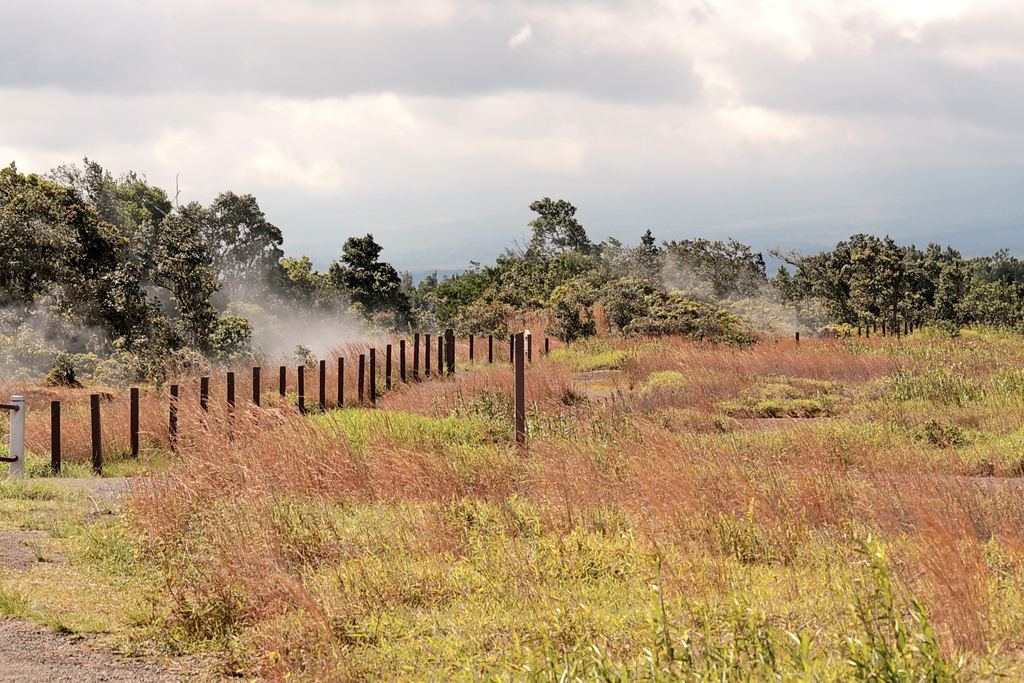
The gas is the part that catches people out
Kīlauea emits sulphur dioxide continuously, and when it mixes with sunlight and moisture it becomes the haze known locally as vog. On a still day it settles over the summit and along the Kona coast. It is the reason the operators' small print keeps mentioning respiratory conditions, and the reason a few overlooks close at short notice while everything around them stays open.
If you have asthma or any lung condition, this is worth planning around rather than discovering. So is the altitude: the caldera rim sits around 1,200 metres, it rains, and it can be fifteen degrees cooler than the beach you left. People turn up at the Kīlauea overlooks in shorts and flip-flops after a morning in Kona and spend the evening cold.
The five ways this park is sold
Under this page sit five groups, and the differences between them are about time and geography rather than marketing.
| What you book | Listings | Price | What decides it |
|---|---|---|---|
| Guided days in the park | 12 | 123 to 551 EUR | Whether you leave from Hilo or from Kona, and whether the guide is a naturalist or a driver |
| Waterfalls and black sand combos | 12 | 158 to 272 EUR | A full island circuit: the park gets three or four hours of a twelve hour day |
| Mauna Kea and stargazing | 7 | 225 to 291 EUR | A different mountain entirely, at 4,207 m, with its own health rules and a 4x4 |
| Cruise shore excursions | 6 | 141 to 1,617 EUR | The ship's window, and the fact that Hilo is 45 minutes from the park and Kona is not |
| Kīlauea from Oahu | 3 | 516 to 520 EUR | Two flights inside one twelve hour day |
One listing sits directly on this page rather than in a group: a four mile guided hike above Kona, through native cloud forest to fissures and craters left by a Hualalai eruption, at 175 EUR. It is on the wrong side of the island for Kīlauea and it is rated 4.9 out of 166 reviews, which tells you the people who book it know what they are booking.
There is no seasonal table on this page, and that is deliberate. Hawaiʻi Volcanoes National Park is open 24 hours a day, seven days a week, every day of the year including holidays. No month is better than another for access. The variable is the eruption, which follows no calendar at all.
Fees, closures and the things that changed recently
Entry is 30 USD per private vehicle and it is valid for seven days, which is unusually generous and worth knowing if you are tempted to return after dark. Motorcycles are 25 USD, on foot or by bicycle it is 15 USD per person, and a Hawaiʻi Tri-Park Annual Pass covering this park, Haleakalā and Puʻuhonua o Hōnaunau costs 55 USD. The park does not accept cash. Most guided tours include the entry, but a few state that National Park pass holders should bring their card.
Three things have changed since the last generation of guidebooks. The Kīlauea Visitor Center has been closed since 18 February 2025 for a rebuild expected to run to the end of 2026, with a temporary welcome centre operating 09:00 to 16:45. The Jaggar Museum, which older itineraries still list as the place to watch the caldera from, was damaged in the 2018 collapse and will not be reopened. And a summit-wide construction programme means parts of Crater Rim Drive remain closed to vehicles, with delays elsewhere, while damaged buildings and infrastructure are repaired or removed.
One practical detail that catches coaches out: vehicles over 25 feet are barred from Uēkahuna, the best of the eruption overlooks, for the duration of the works. If you are on a full-size coach, your guide is taking you somewhere else.
Questions people actually ask
Will I see lava?
Possibly, and nobody can tell you in advance. The summit has been producing fountaining episodes inside Halemaʻumaʻu since December 2024, each lasting hours, with pauses of ten days to over three weeks between them. When one is running it is visible from the caldera rim overlooks after dark. When one is not, you see a gas plume rising from a crater. The park says in writing that lava may not be visible on any given day and that fog or rain can hide it even during an episode.
Is the park worth visiting if nothing is erupting?
Yes, and this is the part the listings undersell. You can walk across the floor of Kīlauea Iki, a crater that held a lava lake in 1959. You can walk through Nāhuku, a lava tube big enough to stand in. You can drive Chain of Craters Road down a thousand metres of old flows to a coast made of lava that reached the sea in living memory. None of that depends on an eruption, and it is a full day.
How long do I need?
A full day at minimum, and two if you can. The summit area alone, with the overlooks, the steam vents, Nāhuku and Kīlauea Iki, is four to five hours. Chain of Craters Road and back is another two to three. Guided tours from Hilo do a compressed version in six or seven hours; the twelve hour circuits from Kona give the park about a third of that because the rest is driving.
Hilo or Kona?
Hilo, by a distance, if the park is why you came. It is 45 minutes away against roughly two hours from Kona, and that difference is four hours of your day. Kona tours compensate by adding a coffee farm, a black sand beach and a bakery, which some people prefer. Cruise passengers rarely get a choice: the ship decides which pier you are standing on.
What does it cost to get in?
30 USD per private vehicle, valid for seven days and admitting everyone in the car. 25 USD for a motorcycle, 15 USD per person on foot or by bicycle. A Hawaiʻi Tri-Park Annual Pass is 55 USD. The park takes card only, no cash. Guided tours normally include admission, but check, because a handful of listings do not.
Can you visit at night?
Yes. The park is open 24 hours a day and after dark is when an active vent is easiest to see, because the glow shows against a black caldera. Bring a torch, warm clothes and patience for the car park. The visitor facilities close in the late afternoon, but the roads and overlooks do not.
Is it safe?
The active eruption area is closed and the open overlooks are chosen by the park precisely because they are not. The hazards that actually reach visitors are volcanic gas, which matters if you have a respiratory condition, sharp and unstable lava underfoot, earth cracks near the caldera edge, and cold at 1,200 metres in shorts. Stay on marked trails, and take the closure signs literally.
Do I need a guide?
No. The park is well signed, the roads are ordinary tarmac and the main trails are marked. What a guide buys you is interpretation, which on a landscape this hard to read is worth more than usual, plus somebody else driving after dark. The private options at 176 to 551 EUR are mostly about that, and the small-group naturalist tours rate consistently above the coach ones.
Data verified on. Fees, hours, closures, trail distances and eruption viewing guidance from the National Park Service. Eruption status and 2018 figures from the USGS.