
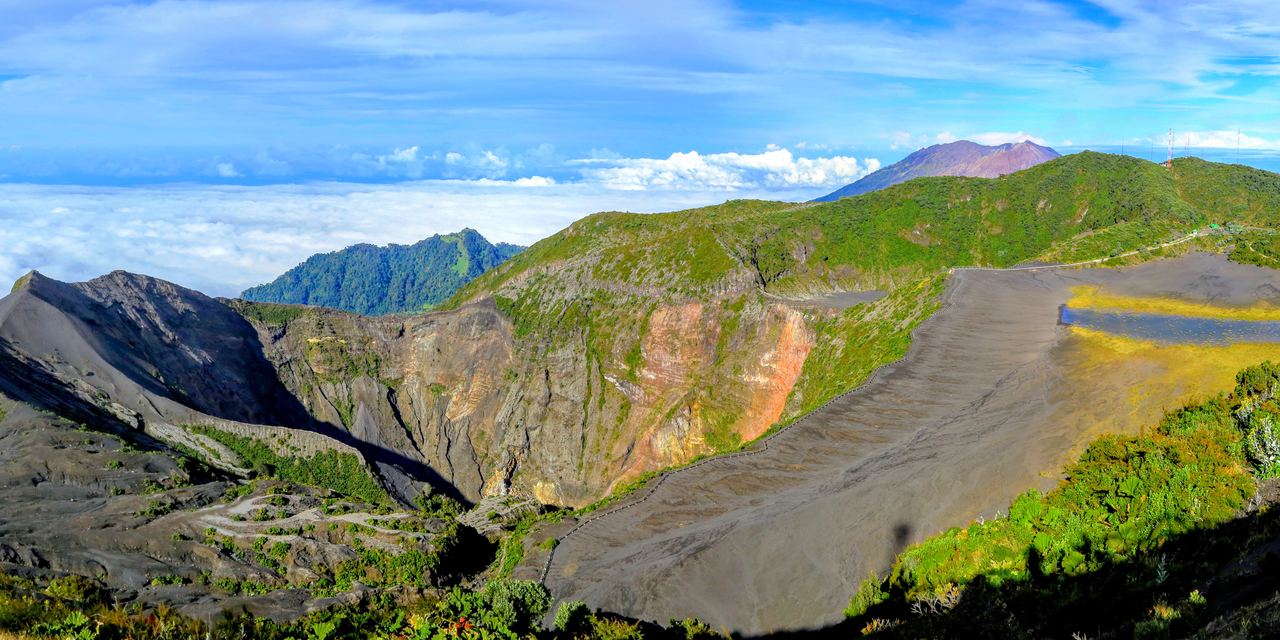
Volcano Tours from San José: Poás, Irazú and Turrialba
Three craters within two hours of the capital, and 28 trips sold on them. What decides your day is the cloud, and it closes in around 10:00.
San José sits in a bowl with volcanoes on three sides, and two of them have a road that runs almost to the crater. That is the whole commercial logic of this area. You can leave a hotel in the capital at half past six, stand at the rim of an active crater by nine, and be back before lunch, which is not true of anywhere else in Costa Rica. Poás holds an acid lake with a pH below 1. Irazú, at 3,432 metres, is the highest volcano in the country and the least effort of the three. Turrialba is the one that keeps closing.
The three pages below take them one at a time, because what separates them is practical rather than scenic: what you have to book, how far you walk, and what is open. This page is for the choice that comes first. It is also for the one thing that ruins more mornings in this valley than closures, weather warnings and traffic put together, which is that the cloud comes up the mountain at about ten o'clock and your ticket is not refundable.
Choose a destination in Poás & Irazú Volcanoes
-
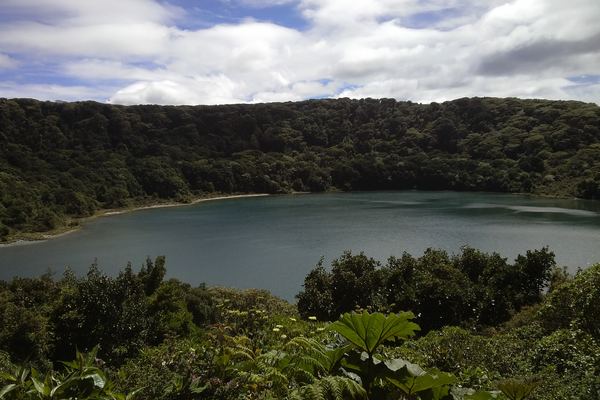
Poás Volcano
Poás Volcano tours from San José: an acid lake below pH 1 in a crater 1.3 km wide.
10 experiences -
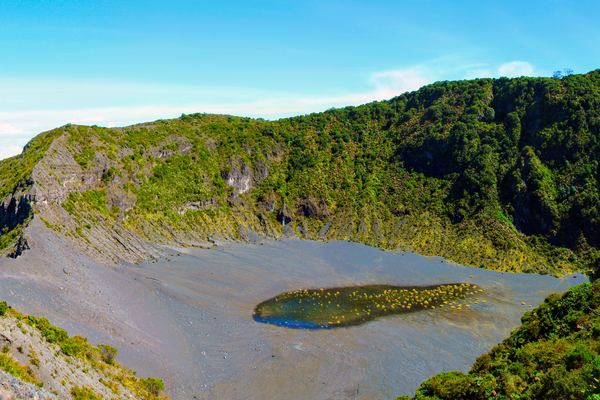
Irazú Volcano
Irazú Volcano tours from San José: Costa Rica's highest crater at 3,432 m, reached by road.
5 experiences -
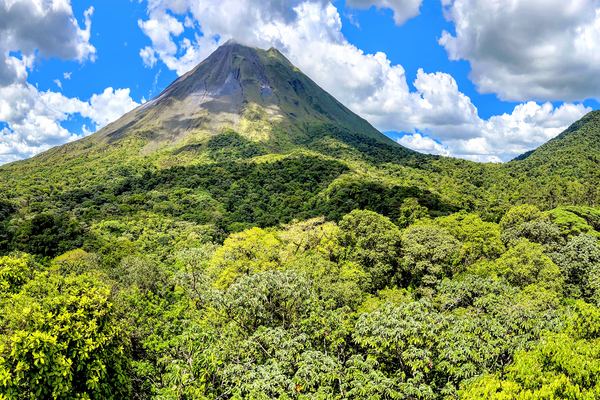
Turrialba Volcano
Turrialba Volcano: the Central Valley's most restless crater, which closed San José's airport three times.
4 experiences

Volcano Travel Experiences in Poás & Irazú Volcanoes
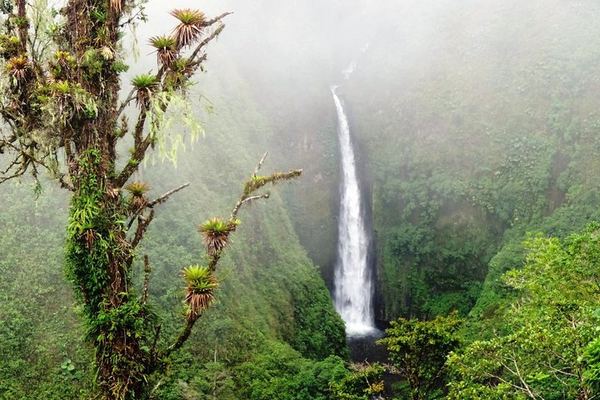
Arenal Combo from San Jose: Seven Ziplines and a 150-Foot Rappel over the River
Two hours in the canopy split this from the other San Jose day trips: seven cables and a rappel over the Arenal River, with hot springs and dinner after.
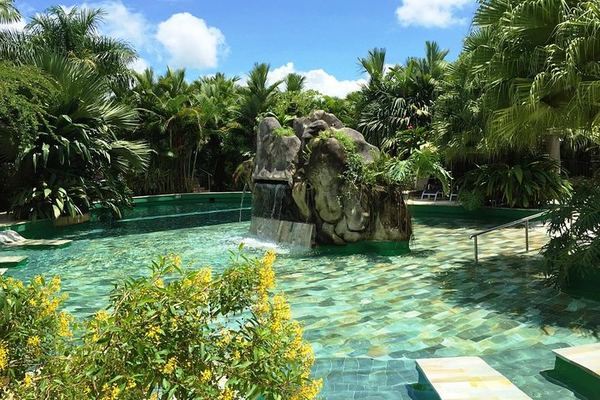
Arenal from San Jose: the Maleku Presentation, the Iguana Centre and Paradise Hot Springs
The scenic route rather than the highway, a bird gallery over San Fernando falls, the Maleku presentation after lunch, and hours at Paradise Hot Springs.
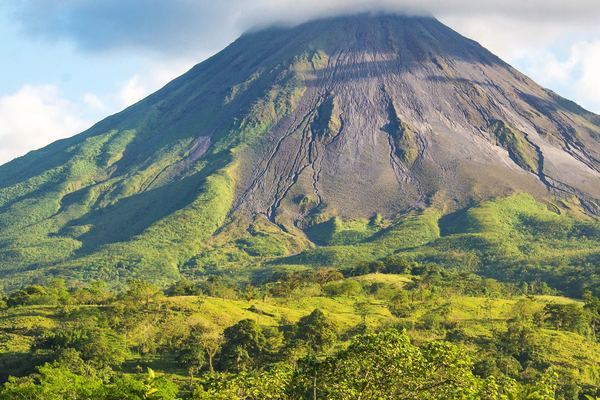
Arenal in a 15-Hour Day, with Baldi or Ecotermales
Fifteen hours from door to door, a stop at Sarchí on the way, and a choice of hot springs made at booking: Baldi or the pricier Ecotermales La Fortuna.
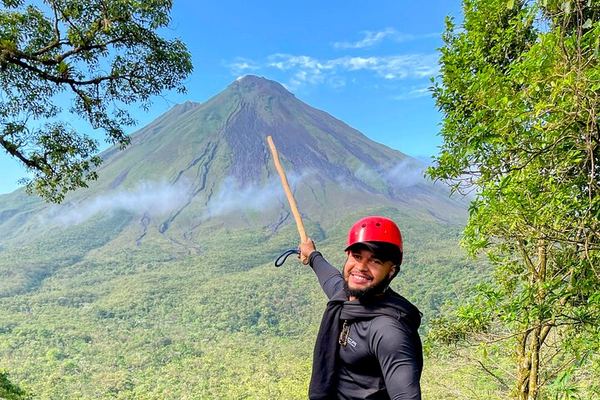
Arenal in a Very Small Group: the Hidden Thermal River and Los Lagos
Meals are left out on purpose and the group stays tiny, which is how this day reaches a thermal river in the forest with no lockers, no queue and no tiles.
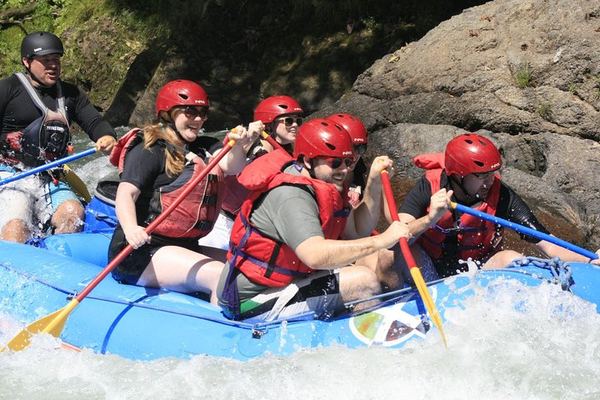
Class III and IV on the Pacuare: Eighteen Miles from Tres Equis
The run starts near Tres Equis, an hour east of Turrialba, and covers eighteen miles of class III and IV water with the guides and the food included.
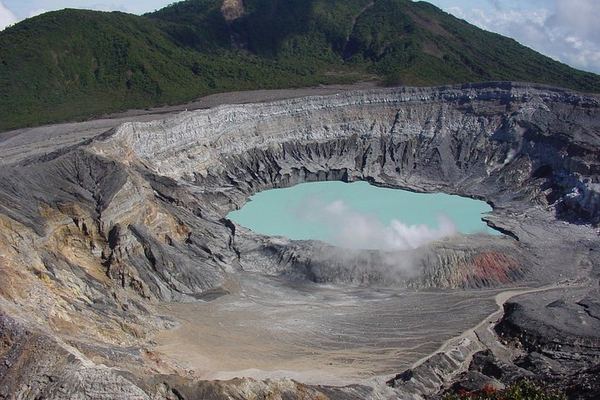
Doka Breakfast, 40 Minutes Inside Poás, and La Paz Waterfall Gardens
The stop inside the national park is exactly 40 minutes, and the rest of the day goes to La Paz Gardens, its butterfly observatory and a buffet lunch.
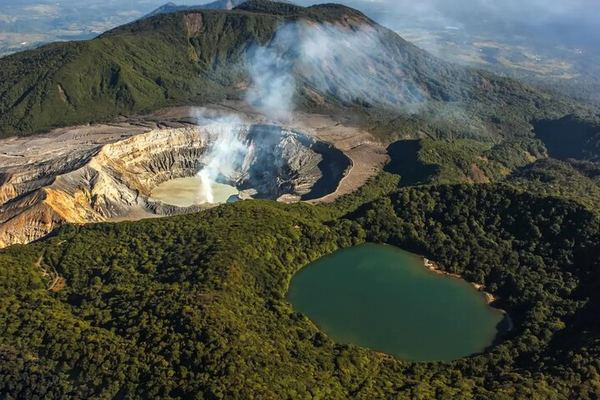
Doka Estate, Twenty Minutes at the Poás Crater, and La Paz Gardens
The crater stop is capped at 20 minutes by the volcanic safety authority, so the day's weight sits on Doka's plantation tour and the La Paz exhibits.
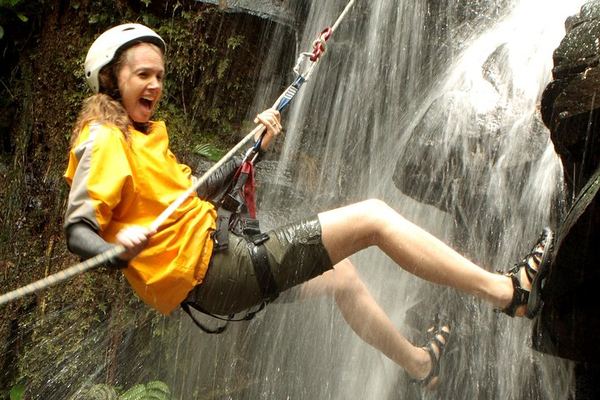
Four Waterfall Rappels, Five Zip Lines and a 132-Foot Bridge at Turrialba
Four rappels down waterfalls, five zip lines and a hanging bridge of 132 feet, with the gear, the guides and lunch provided at the Calle Chirraca site.
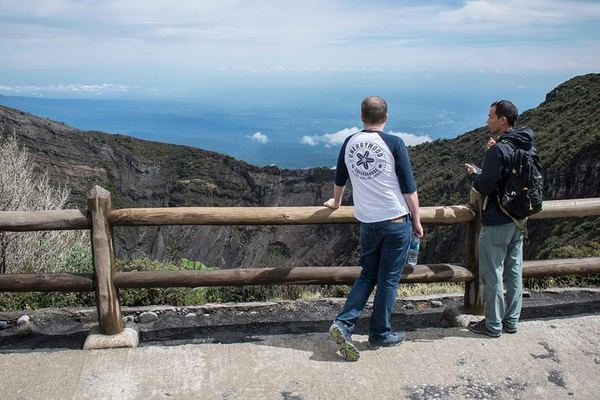
Guayabo, Irazú's Dwarf Forest and the Emptied Town Below Turrialba
Four people maximum, a walk inside an inactive crater, and the half-empty town that recent Turrialba activity left behind. Entrance fees are cash on the day.
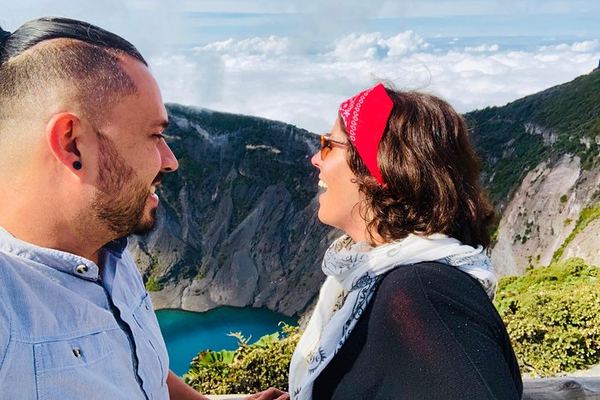
Irazú and Turrialba's 2014 Blast Zone, with the Durán Sanatorium and Cartago
The walk at Turrialba goes into the ground the 2014 and 2016 eruptions wrecked, and the road passes a tuberculosis sanatorium abandoned since the 1960s.
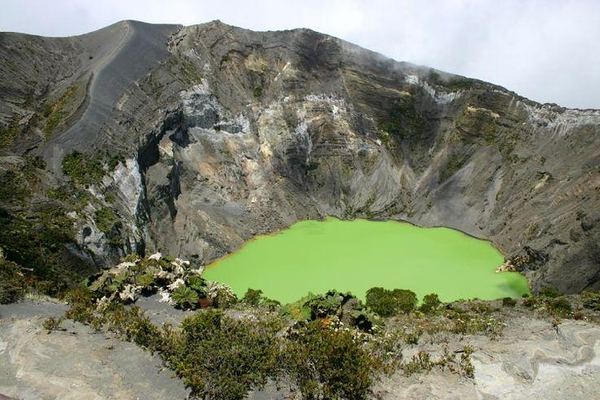
Irazú at 3,432 m, Cartago and Orosi: Back in San Jose by 3pm
The largest volcano in Costa Rica at 3,432 m and 500 square kilometres, then Cartago and the Orosi coffee valley, with the hotel reached again by 3pm.
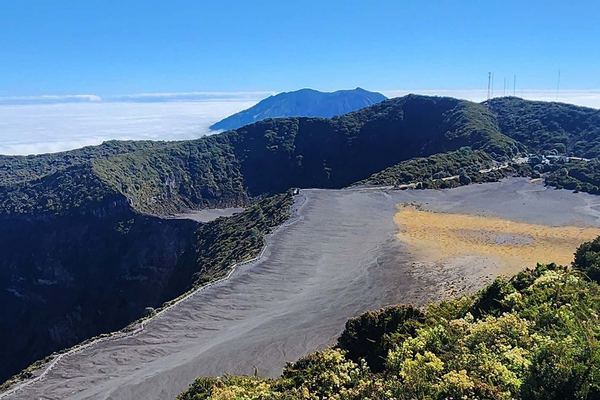
Irazú at 3,432 m, the 800 Species at Lankester and Orosi
More than eleven and a half hours from San José: the green crater lake at 3,432 m, over 800 species at Lankester, lunch, and the Orosi and Ujarrás valleys.
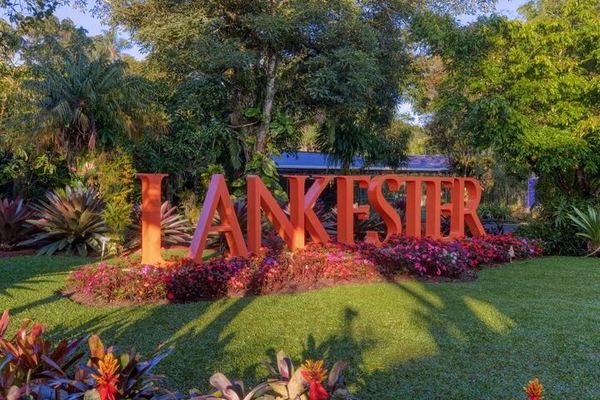
Irazú, Both Oceans on a Clear Day, and Lankester's 800 Orchids
From the summit of the country's highest active volcano both oceans are visible on a clear day, and Lankester protects over 800 orchid and bromeliad species.
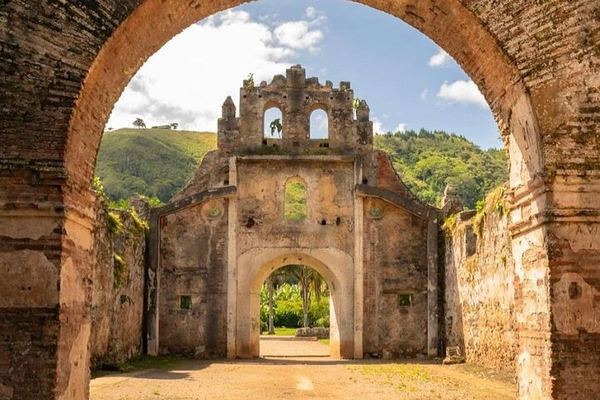
Irazú, Playa Negra, Lankester's Japanese Garden and Lunch over Lake Cachí
Lunch sits above an artificial lake built for hydroelectric power, and the volcano stop includes Playa Negra and an optional climb to the highest ground.
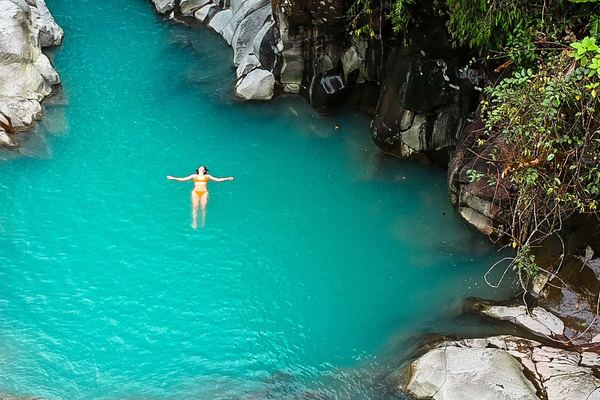
La Paz Falls, the Bajos del Toro Pools and Poás Hot Springs
La Paz drops more than 120 feet, the turquoise pools at Bajos del Toro are reached over a suspension bridge, and lunch is served at the Poás hot springs.
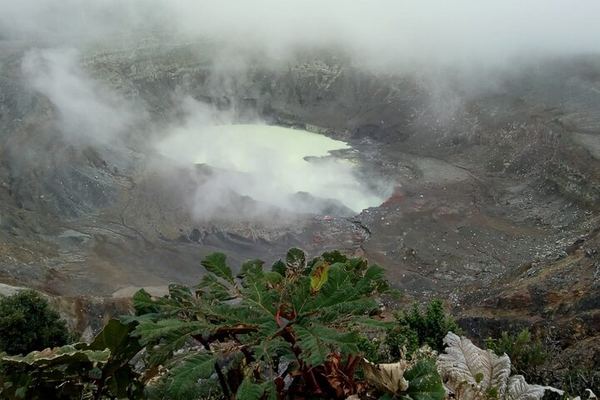
Poás: a Crater a Mile Across, 40 Eruptions since 1828, and the Fraijanes Coffee Farm
The crater measures over a mile across and 1,050 feet deep, and the coffee stop at Fraijanes walks the nursery, wet mill, drying patio and roaster.
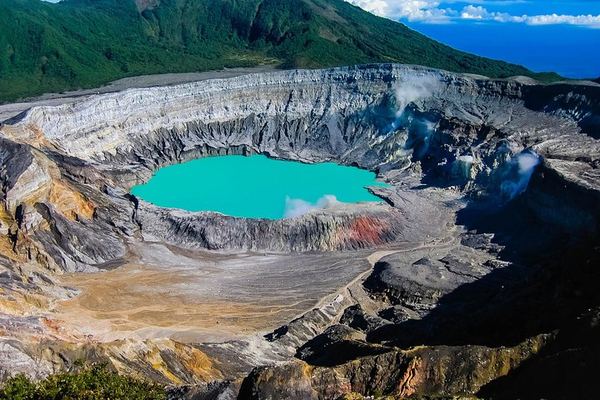
Poás and Botos Lagoon with a Four-Fork Buffet at La Paz Gardens
The lunch here carries a four-fork rating from the Costa Rican Tourism Council, and the walk at Poás continues past the crater to the Botos Lagoon.
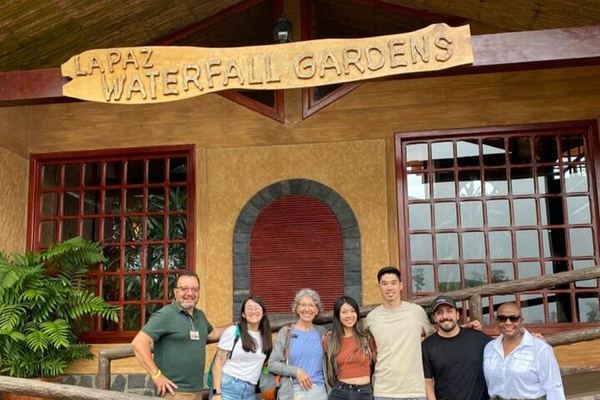
Poás and the Botos Lagoon, Familia Vargas Coffee, and the Five La Paz Falls
The walk here goes past the crater to the Botos Lagoon, and the day ends with 100 rescued species, a 35-option buffet and the five La Paz falls.
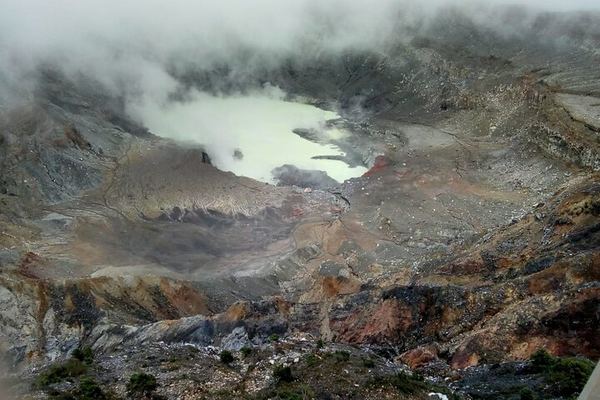
Poás at 2,708 m, the Starbucks Farm at Hacienda Alsacia and Sarapiquí
Two coffee farms on one day: the Hacienda Alsacia estate and Mi Cafecito in Sarapiquí, plus the El Congo waterfall and the crater at 2,708 m.
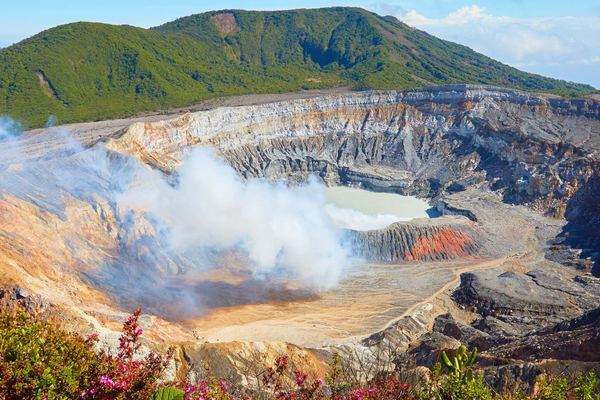
Poás Before Lunch: a Mile-Wide Crater and Gallo Pinto First
A 6:30 start, back at your hotel by 1 pm, with gallo pinto, yucca chorriada and gallos for breakfast before the mile-wide crater at the top of the volcano.
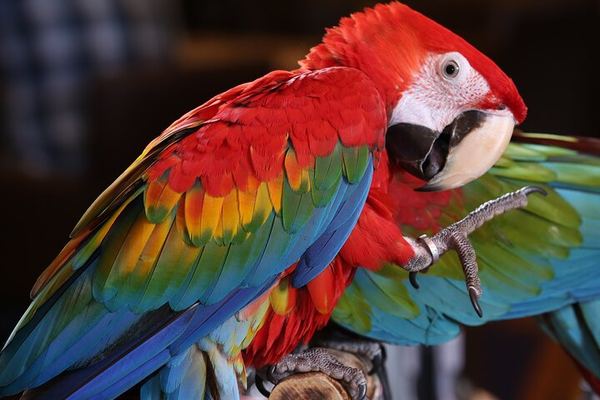
Poás in Eruption Period, Doka's Organic Estate, and the Viewpoint Behind the Falls
A tasting of chocolate, liquor and coffee at Doka, a crater in its eruption period, and a viewpoint that puts you behind the water curtain at La Paz.
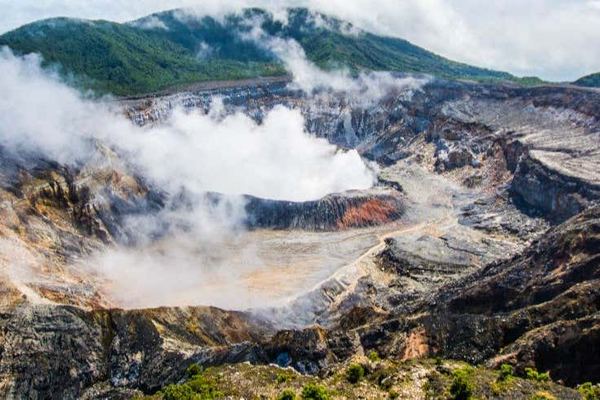
Poás, La Paz and a Coffee Plantation in Eight Hours
Eight hours with pick-ups in San José, Heredia and Alajuela, and a coffee plantation at the end. The order of the stops can change with availability.
Poás Volcano Half Day: the Sulphur Crater, Past the Strawberry and Fern Farms
Half a day up through the coffee, fern, flower and strawberry farms to the main crater of Poás, where the sulphur fumaroles are still at work.
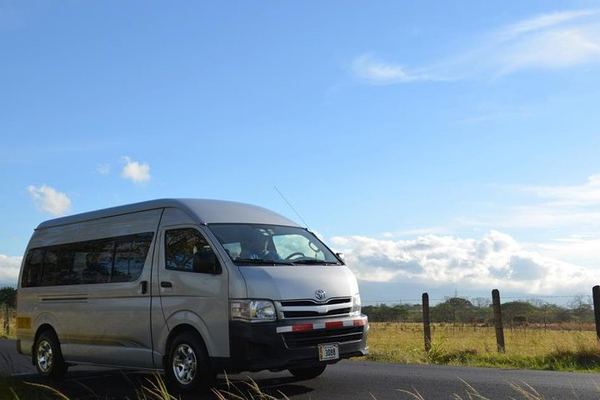
Private Transfer, San José Airport to La Fortuna and Arenal
A private vehicle booked in advance for the San José airport run to La Fortuna and the Arenal area, with the drop-off at the door of your accommodation.
Ratings collected by Viator, Tripadvisor and Civitatis
Three craters, three different mornings
These are not variations on one trip. Poás is a paved walk of a few hundred metres to a railing above a crater 1.3 kilometres across, with a hot acid lake at the bottom of it. Irazú is a car park at 3,432 metres with a crater next to it, which makes it the only volcano in the country that works for someone who cannot walk far. Turrialba is a question mark, and the honest version of that answer is on its own page. The table is the fastest way to see which one answers your question.
| Poás | Irazú | Turrialba | |
|---|---|---|---|
| Listings here | 10 | 5 | 4 |
| Height | 2,708 m | 3,432 m | 3,340 m |
| What you look at | An acid lake below pH 1, about 300 m across | A crater 1,050 m wide, with a green lake in the wet season | The cone from outside, and the ground its ash killed |
| Walking involved | A few hundred metres, paved | Almost none, the road ends at the top | Whatever is open that week |
| Booked in advance | Compulsory, by time slot, passport number for each visitor | Yes, and there are two different sectors to choose between | Not listed on the reservation system at all |
| From San José | about 1 h 30 | 54 km, 1 h 30 to 2 h | about 2 h |
| Cheapest listing here | 103 EUR | 75 EUR | 87 EUR |
The cloud clock, and why it costs money here
Every guide to this area tells you to go early. Almost none of them explain that it is a financial matter and not a scenic one. Tickets for Poás are sold by time slot, they are not refundable, and they cannot be changed. The cloud typically comes over the rim between ten and half past. Book an eleven o'clock slot on an ordinary day and you have paid to look at the inside of a cloud, with no recourse and no second attempt.
Irazú is not sold by slot, but the physics are identical. Be at the top by nine, or expect to see nothing. The line about seeing both the Atlantic and the Pacific from the summit is true, and it is rare enough that it belongs in the category of lottery tickets rather than itineraries. The summit spends most of its life inside a cloud, and the people who photograph two oceans got lucky on a February morning.
The pattern is so dependable that you can read a tour backwards with it. If the itinerary puts a coffee estate before the volcano, the operator has already decided that your clear hour belongs to the coffee.
Poás or Irazú, if you only have one day
This is the real question people arrive with, and the answer turns on two things that have nothing to do with which volcano is more impressive.
Take Poás if you want a crater that looks the way a crater is supposed to look: a steaming acid lake in a hole 300 metres below the railing, in one of the largest active craters of its kind anywhere. The cost is administrative. You book a slot in advance, you supply a passport number for every person in the party, and the whole arrangement is contingent on what the volcano is doing that month.
Take Irazú if you want certainty, altitude, or a day that asks nothing of your knees. Nothing is tied to a slot, the road delivers you to the top, and at 3,432 metres it is the highest ground you can drive to in the country. Two things to know first. It is genuinely cold, between about 5 and 9 °C while San José sits in the mid twenties, and people arrive in shorts every single day. And the green lake in the main crater is seasonal: it fills through the rainy months and can be a dry grey bowl in February and March, which is exactly when the weather is otherwise at its best. None of the listings mention it.
There is also a booking trap here that is entirely avoidable once you know it exists. The reservation system lists two separate Irazú sectors, the crater and Prusia, and they are different places on different sides of the mountain. Prusia is a replanted pine sector with walking trails on the lower flank, pleasant and completely craterless. Book that one expecting the summit and you have bought a forest.
When to come, and why the two seasons disagree
The seasons in this valley work against each other, which is why a single best time to visit is useless here. The dry months give you the clear mornings. The wet months give Irazú its lake. There is no month that gives you both, and choosing means deciding which of the two you came for.
| Month | 1 | 2 | 3 | 4 | 5 | 6 | 7 | 8 | 9 | 10 | 11 | 12 |
|---|---|---|---|---|---|---|---|---|---|---|---|---|
| Poás VolcanoDry months give the clearest mornings; cloud closes the crater from about 10:00 in any season | 1 | 2 | 3 | 4 | 5 | 6 | 7 | 8 | 9 | 10 | 11 | 12 |
| Irazú VolcanoThe crater lake only fills in the rains; the driest months give the view and an empty grey bowl | 1 | 2 | 3 | 4 | 5 | 6 | 7 | 8 | 9 | 10 | 11 | 12 |
| Turrialba VolcanoAccess follows the volcano's behaviour rather than the calendar, and is not bookable in advance | 1 | 2 | 3 | 4 | 5 | 6 | 7 | 8 | 9 | 10 | 11 | 12 |
Months shown as numbers. Based on the Central Valley dry season and the reported behaviour of each crater, checked 12 August 2026.
What a volcano day trip from San José actually books
Read the departure list for this area and a pattern surfaces that nobody selling it will point out. A large share of the trips advertised out of San José as volcano days do not go to any of the three volcanoes above. They drive to Arenal, roughly three hours away in each direction, and come back after dark. On this site those single days run from 125 to 176 EUR, and a three-day version of the same circuit reaches 616 EUR.
This is not a scam, and Arenal deserves the trip. It is simply a different holiday, sold under the same words. Six hours in a minibus buys you a cone you look at from a distance; ninety minutes buys you a crater you look into. If Arenal is what you want, sleep in La Fortuna instead of commuting to it. If what you want is a crater and you are based in the capital, everything on this page fits inside a morning.
Tickets, cash, and the parts that are not in the price
Park entry across this area is 15 US dollars for a non-resident adult and 5 for children aged 2 to 12. The number you will actually be charged is 16.95, because 13 per cent tax goes on top. Listings that include admission have dealt with this already; the ones that do not will hand you the problem at the gate.
Three things catch people out, and all three are avoidable. Parking is paid separately and in colones, 2,000 at Poás and 1,100 at Irazú, and the machines do not take cards. Poás asks for the passport number of every visitor at the moment of booking, so one person booking for a group needs everybody's document in front of them. And since August 2023, tickets to Costa Rican national parks are not sold at the gate at all. That last rule is dry until you notice what it implies: a park that is not in the reservation system is not a park you can walk into, which is the practical reason Turrialba is a problem rather than merely a warning.
The volcanic soil that makes this valley the best coffee ground in the country and the three active craters standing over it are the same fact, seen from opposite ends.
Questions people actually ask
Which volcano is best for a day trip from San José?
Poás if you want the crater itself: an acid lake 300 metres below a railing, in a hole 1.3 kilometres wide. Irazú if you want height, certainty and no walking, because the road ends near the rim at 3,432 metres and nothing has to be booked to a fixed slot. Turrialba is not a realistic first choice, since it is not currently sold through the national reservation system. If you can only do one and the weather looks marginal, Irazú is the safer bet, because a closed Poás slot is money gone.
Do I have to book Poás in advance?
Yes, and it is stricter than most park bookings. Entry is by time slot through the national reservation system, the ticket is neither refundable nor changeable, and the booking asks for the passport number of every person in the party. A tour that includes admission has already done all of this for you, which is most of what you are paying the operator for on the cheaper half-day trips.
Is Turrialba open to visitors?
Treat it as closed unless a specific operator tells you otherwise for that week. Checked on 12 August 2026, Turrialba did not appear among the parks bookable through the national reservation system, while Poás, both Irazú sectors, Tenorio and Rincón de la Vieja all did. Since park tickets stopped being sold at gates in August 2023, that absence is the practical form a closure takes. What is still sold, and is worth doing, is the drive to the viewpoints on the flank and across the ground the 2014 and 2016 eruptions killed.
How cold is it at the top?
Colder than anyone packs for. Irazú runs roughly 5 to 9 °C at the summit, with wind, on days when San José is in the mid twenties an hour and a half down the road. Poás at 2,708 metres is milder but wet, because you are often standing inside cloud. A windproof layer and long trousers are the difference between a good morning and a short one, and no amount of tropical scenery on the way up will convince you of that until you are standing there.
Can you visit two volcanoes in one day?
Irazú and Turrialba are sold together and the pairing works, because they sit on the same side of the valley and the second stop is a viewpoint rather than a park entry. Poás and Irazú are on opposite sides of San José and both need the early morning, so combining them means one of the two gets the cloud. The pairings that do work are one volcano plus something at lower altitude: a coffee estate, the Orosi valley, the Cartago basilica, the Lankester gardens.
Why do so many people see nothing at the crater?
Because they arrived at eleven. These are tropical mountains with rainforest on their flanks; the moist air rises with the morning sun and forms cloud over the summit, usually between ten and half past, every month of the year. The dry season improves your odds and does not remove the clock. Any slot after mid-morning is a gamble, and at Poás it is a gamble you cannot re-enter.
How much does the whole thing cost?
Between about 75 and 213 EUR for a guided day from San José, depending on how much gets bolted on. The cheap end is a park visit with transport; the expensive end adds a coffee estate, a waterfall garden, lunch and a smaller vehicle. Park entry itself is 16.95 US dollars with tax, and parking is another 1,100 to 2,000 colones in cash. Doing it independently by hire car is far cheaper and puts the booking, the passport numbers and the timing on you.
Data verified on. Prices and durations from the Costa Rican products on this site. Park fees, sector names and booking status checked on the SINAC reservation system, 12 August 2026.