
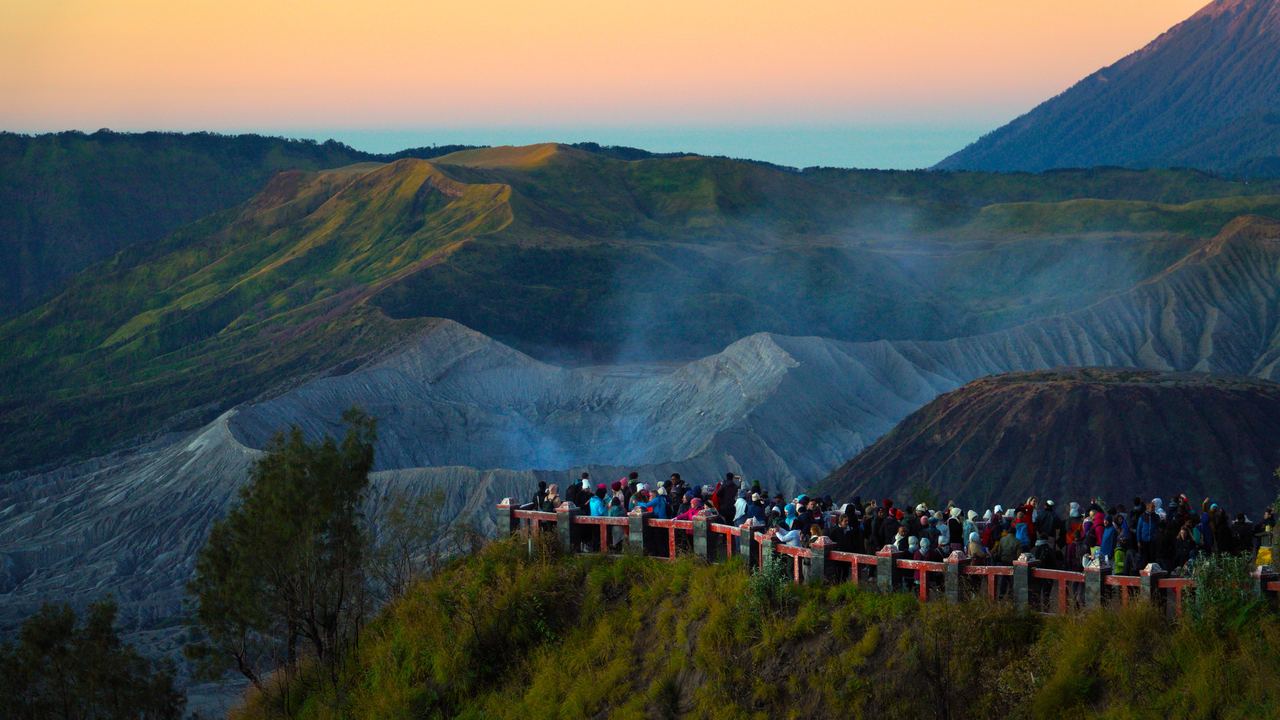
There is no volcano season. Volcanic destinations sit in every climate zone on the planet, from Iceland at 64 degrees north to Rinjani eight degrees south of the equator, and the things that ruin a visit are different in each one.
In Java it is rain, and the difference between the wettest and driest month is a factor of twenty. In Iceland it is daylight: Reykjavík gets about twelve and a half hours of sunshine in the whole of December and 183 hours in July, while the rainfall barely moves. On Etna it is altitude, and the mountain runs a summer and a winter season simultaneously at different heights. In New Zealand the whole thing is inverted, and the coldest month is also the wettest, which is not true in the Mediterranean.
So the useful question is not when should I go. It is which of these places agrees with the dates I already have. The grids below are how we check.
The Mediterranean: read the altitude, not the month
The Italian and Greek volcanoes have a summer problem at sea level and a winter problem at height, and on the same mountain those can be the same day. Catania averages 35 °C in August while the ground at 2,900 metres on Etna is around 13 °C, with the overnight minimum at freezing. Twenty-two degrees, one cable car.
Italy and Greece
Peak months are when both the weather and the access work. Where a destination has two products at different heights, the grid describes the higher one.
| Month | 1 | 2 | 3 | 4 | 5 | 6 | 7 | 8 | 9 | 10 | 11 | 12 |
|---|---|---|---|---|---|---|---|---|---|---|---|---|
| Mount EtnaSummit season. Below 2,000 m the winter is a working ski area | 1 | 2 | 3 | 4 | 5 | 6 | 7 | 8 | 9 | 10 | 11 | 12 |
| Mount VesuviusNo shade on the cone, and the park's last entry moves back to 15:00 in winter | 1 | 2 | 3 | 4 | 5 | 6 | 7 | 8 | 9 | 10 | 11 | 12 |
| Aeolian IslandsThe constraint is the sea. Hydrofoils thin out and cancel from November | 1 | 2 | 3 | 4 | 5 | 6 | 7 | 8 | 9 | 10 | 11 | 12 |
| SantoriniNo measurable rain June to September, but the meltemi wind peaks in July | 1 | 2 | 3 | 4 | 5 | 6 | 7 | 8 | 9 | 10 | 11 | 12 |
The Atlantic islands: the ones that work all year, and the ones that do not
These get grouped together and they should not be. The Canaries are subtropical and close to seasonless, with Lanzarote receiving about 101 millimetres of rain in a year. The Azores are in the middle of the north Atlantic and have a real winter, with São Miguel going from 26 millimetres of rain in July to 153 in December.
The Azorean constraint is not rain, though. It is cloud height. Humidity climbs from around 80 per cent on the coast to over 90 above 400 metres, and the famous viewpoint over the Lagoa do Fogo sits at 949 metres while the lake is at 575. You are looking down from above the cloud base for much of the year.
The Canaries and the Azores
The Canary high season is winter, which is the reverse of everywhere else in these grids.
| Month | 1 | 2 | 3 | 4 | 5 | 6 | 7 | 8 | 9 | 10 | 11 | 12 |
|---|---|---|---|---|---|---|---|---|---|---|---|---|
| TenerifeFine all year at sea level. For the summit, winter brings ice and cable car closures | 1 | 2 | 3 | 4 | 5 | 6 | 7 | 8 | 9 | 10 | 11 | 12 |
| LanzaroteAbout 101 mm of rain in a whole year. The summer constraint is heat, not weather | 1 | 2 | 3 | 4 | 5 | 6 | 7 | 8 | 9 | 10 | 11 | 12 |
| La Palma372 mm a year, nearly all of it between November and February | 1 | 2 | 3 | 4 | 5 | 6 | 7 | 8 | 9 | 10 | 11 | 12 |
| Gran CanariaMild all year on the coast; Pico de las Nieves at 1,950 m sits in or above the cloud | 1 | 2 | 3 | 4 | 5 | 6 | 7 | 8 | 9 | 10 | 11 | 12 |
| São MiguelJuly has 26 mm of rain across five days, December 153 across fifteen | 1 | 2 | 3 | 4 | 5 | 6 | 7 | 8 | 9 | 10 | 11 | 12 |
| Pico and FaialHorta records 1,087 mm; the high ground of Pico exceeds 5,000 | 1 | 2 | 3 | 4 | 5 | 6 | 7 | 8 | 9 | 10 | 11 | 12 |
| TerceiraSummer is short but decisive: five wet days in July against fifteen in December | 1 | 2 | 3 | 4 | 5 | 6 | 7 | 8 | 9 | 10 | 11 | 12 |

The tropics: it is the rain, and the rule is unusually strict
Tropical volcanoes barely change temperature across the year. What changes is rainfall, and it changes enormously. Malang, the reference station for Bromo, records around 350 millimetres across 21 rainy days in January and 15 millimetres across a single day in August.
That matters more here than anywhere else, because the product is a sunrise. You get up at two in the morning, drive an hour, walk in the dark, and either there is a view or there is grey. In the wet season it is mostly grey.
Costa Rica deserves a warning of its own. The familiar rule that December to April is the dry season is a Pacific rule. It holds for Guanacaste and the Central Valley. Arenal sits on the northern, Caribbean-facing side and has no true dry season at all, which is why a single seasonal line for the whole country sends people to Arenal at the wrong time.
Southeast Asia and Latin America
Almost all of these run on a dry season. The exception is Arenal, which does not have one.
| Month | 1 | 2 | 3 | 4 | 5 | 6 | 7 | 8 | 9 | 10 | 11 | 12 |
|---|---|---|---|---|---|---|---|---|---|---|---|---|
| BaliDenpasar goes from 388 mm in January to 16 mm in August | 1 | 2 | 3 | 4 | 5 | 6 | 7 | 8 | 9 | 10 | 11 | 12 |
| Mount BromoMalang: 350 mm and 21 wet days in January, 15 mm and one day in August | 1 | 2 | 3 | 4 | 5 | 6 | 7 | 8 | 9 | 10 | 11 | 12 |
| Mount IjenBanyuwangi is the driest of the Java destinations. Blue flames need full darkness | 1 | 2 | 3 | 4 | 5 | 6 | 7 | 8 | 9 | 10 | 11 | 12 |
| Mount RinjaniLombok is in the dry half of Indonesia: 54 mm in August against 290 in January | 1 | 2 | 3 | 4 | 5 | 6 | 7 | 8 | 9 | 10 | 11 | 12 |
| Mount MerapiJeep tours run on ash that becomes mud. Heavy rain is also the lahar trigger | 1 | 2 | 3 | 4 | 5 | 6 | 7 | 8 | 9 | 10 | 11 | 12 |
| Taal VolcanoDry November to April, with typhoon risk concentrated August to October | 1 | 2 | 3 | 4 | 5 | 6 | 7 | 8 | 9 | 10 | 11 | 12 |
| ArenalThe Costa Rican dry season is a Pacific rule. Arenal is on the other side of the divide | 1 | 2 | 3 | 4 | 5 | 6 | 7 | 8 | 9 | 10 | 11 | 12 |
| Poás and IrazúSan José goes from 6 mm in January to 355 in September. The summits are usually in cloud | 1 | 2 | 3 | 4 | 5 | 6 | 7 | 8 | 9 | 10 | 11 | 12 |
| Rincón de la ViejaGuanacaste has the sharpest dry season in Costa Rica: no rain days at all in January | 1 | 2 | 3 | 4 | 5 | 6 | 7 | 8 | 9 | 10 | 11 | 12 |
| Cotopaxi and QuilotoaThe Andean year is bimodal. June to August is the dry window and the one with views | 1 | 2 | 3 | 4 | 5 | 6 | 7 | 8 | 9 | 10 | 11 | 12 |
| Antigua VolcanoesFuego is only visible in the dry season, which is also when nights at 3,600 m are coldest | 1 | 2 | 3 | 4 | 5 | 6 | 7 | 8 | 9 | 10 | 11 | 12 |
| Santa Ana Volcano8 mm in January against 452 in September, measured at 1,771 m | 1 | 2 | 3 | 4 | 5 | 6 | 7 | 8 | 9 | 10 | 11 | 12 |
| El Totumo Mud VolcanoNo altitude, no sunrise, no view to protect. The season is really Cartagena's | 1 | 2 | 3 | 4 | 5 | 6 | 7 | 8 | 9 | 10 | 11 | 12 |
| Gobustan Mud VolcanoesSemi-desert with no shade in summer; wind and deep mud on the track in winter | 1 | 2 | 3 | 4 | 5 | 6 | 7 | 8 | 9 | 10 | 11 | 12 |
High latitudes and the southern hemisphere
Two different logics here. In the far north the season is made of light, not weather: Reykjavík's rainfall varies from 95 millimetres in December to 43 in May, which is nothing, while daylight goes from four hours to twenty-one. May is also the sunniest month of the Icelandic year, ahead of July, and one of the driest, which makes it the best value month on this page.
South of the equator everything inverts, and not only by six months. In New Zealand winter and rain coincide, where in the Mediterranean they are opposed. Rotorua's July is both the coldest month and the wettest.
Iceland, Japan, New Zealand, Korea and the United States
The three Icelandic rows describe when you can see things, not when it is dry: it is never especially dry.
| Month | 1 | 2 | 3 | 4 | 5 | 6 | 7 | 8 | 9 | 10 | 11 | 12 |
|---|---|---|---|---|---|---|---|---|---|---|---|---|
| ReykjavíkDecember gives 12.6 hours of sunshine in the whole month, July gives 183 | 1 | 2 | 3 | 4 | 5 | 6 | 7 | 8 | 9 | 10 | 11 | 12 |
| Vík and the South Coast2,333 mm a year. The driest month here is wetter than Reykjavík's wettest | 1 | 2 | 3 | 4 | 5 | 6 | 7 | 8 | 9 | 10 | 11 | 12 |
| Westman IslandsThe exposed station tops 20 m/s on 120 days a year. Wind decides whether the ferry sails | 1 | 2 | 3 | 4 | 5 | 6 | 7 | 8 | 9 | 10 | 11 | 12 |
| Mount FujiThe official climbing season runs early July to around 10 September. Outside it the huts are shut | 1 | 2 | 3 | 4 | 5 | 6 | 7 | 8 | 9 | 10 | 11 | 12 |
| Rotorua GeothermalSouthern hemisphere, and July is both the coldest month and the wettest | 1 | 2 | 3 | 4 | 5 | 6 | 7 | 8 | 9 | 10 | 11 | 12 |
| Tongariro Alpine CrossingMay to October this is an alpine route needing crampons, axe and helmet | 1 | 2 | 3 | 4 | 5 | 6 | 7 | 8 | 9 | 10 | 11 | 12 |
| Jeju IslandAugust brings 272 mm and September 228, against 57 in February, with typhoons overlapping | 1 | 2 | 3 | 4 | 5 | 6 | 7 | 8 | 9 | 10 | 11 | 12 |
| Hawai'i Volcanoes NPWindward Hilo has 273 rain days a year, Kona 50. The park sits between the two | 1 | 2 | 3 | 4 | 5 | 6 | 7 | 8 | 9 | 10 | 11 | 12 |
| HaleakalāAt 3,055 m the December mean minimum is below freezing, and sunrise is regularly wet and windy | 1 | 2 | 3 | 4 | 5 | 6 | 7 | 8 | 9 | 10 | 11 | 12 |
| Mount RainierParadise averages around 16 metres of snowfall a year. In early July trails can still be buried | 1 | 2 | 3 | 4 | 5 | 6 | 7 | 8 | 9 | 10 | 11 | 12 |
Peak means conditions and access both work. Fine means go with lower expectations of views. An empty month means the season is closed, not merely second best.
The same information read the other way round
You have the dates. Which destination agrees with them?
| Month | At their best | What is going on |
|---|---|---|
| January | Lanzarote, Guanacaste, Antigua, Santa Ana, Taal | Central America's dry season is at its sharpest, and the Canaries are in their high season. |
| February | Arenal, Poás, Rincón de la Vieja, Lanzarote, Rotorua | The best window Costa Rica offers, including the difficult northern side. |
| March | Costa Rica, Gran Canaria, Rotorua, Tongariro | The southern hemisphere summer is ending, the Canaries are opening up. |
| April | Vesuvius, Tenerife, La Palma, Jeju, Gobustan | The broadest month in the northern subtropics. Europe becomes possible again. |
| May | Etna, the Aeolians, Santorini, Iceland, Jeju | Iceland's sunniest month, and the Mediterranean summit season opens. |
| June | Iceland, the Azores, Java, Bali, Cotopaxi | Almost the whole northern hemisphere is open at once. The Indonesian dry season starts. |
| July | Iceland, Fuji, the Azores, Ijen, Rinjani | Fuji's climbing season opens. The Mediterranean summits are hot but clear. |
| August | Fuji, Rainier, Java, Bali, the Azores | The single best month for Bromo and for Mount Rainier, and the worst for Mediterranean coasts. |
| September | Etna, Santorini, the Azores, Hawai'i, Bali | The second European peak, quieter than the first, and the last of the Fuji season. |
| October | Vesuvius, Tenerife, Jeju, Gobustan, the Aeolians | Europe hands back to the subtropics. The Azores close. |
| November | Antigua, Lanzarote, Jeju, Gran Canaria | Guatemala's dry season begins, which is when Fuego becomes visible from Acatenango. |
| December | Taal, Santa Ana, El Totumo, Rotorua, Lanzarote | The southern hemisphere summer opens and Central America dries out. |
Four things this grid cannot tell you
A monthly average does not describe your week. The March figure for Vík in Iceland has ranged between 55 and 417 millimetres in different years. The mean is a real number and no individual March has ever looked like it.
Altitude beats the calendar. Every reference station in these grids is lower than the attraction it describes, sometimes by three thousand metres. Air cools by roughly 6.5 °C per thousand metres, so a coastal reading tells you what the airport felt like, not the crater.
Cold air pools in calderas. The simple altitude correction actually underestimates how cold a caldera floor gets before dawn, because cold air slides downhill and settles. Bromo's sand sea gets frost on nights when the arithmetic says four degrees.
The dry season is also the cold season at altitude. Clear skies radiate heat away overnight. The months we recommend for Acatenango are exactly the months with the coldest nights at 3,600 metres, which is why the packing advice matters more in the good season than the bad one.
Quick answers
Which month has the most destinations at their best?
June, followed by September. In June the Mediterranean summit season, the Indonesian dry season, the Azorean summer, the Icelandic light and the Andean dry window are all open simultaneously. Very little of the map is closed.
Is there anywhere good in the European winter?
Yes, and the map is wider than people expect. Lanzarote and Tenerife are at their high season, Guanacaste and Antigua are in the sharpest dry season of their year, New Zealand is in high summer, and Taal is in its dry window. What you lose is the whole Mediterranean summit set and the Azores.
Why is August bad for the Mediterranean but good for Bromo?
They are limited by different things. The Mediterranean constraint in August is heat and haze at sea level, which shortens the usable part of the day. Java's constraint is rain, and August is the driest month of its year. Neither is about temperature at the crater, which barely changes in Java at all.
Do these months account for crowds?
No, deliberately. These grids describe conditions. Peak conditions and peak prices usually coincide, and the shoulder immediately after a peak often buys nearly the same weather with far fewer people. Iceland in May is the clearest example of that on this page.
Bromo, where the season decides everything
The sharpest seasonal rule on this page: 350 mm of rain in January against 15 in August, and what you are buying is a sunrise.
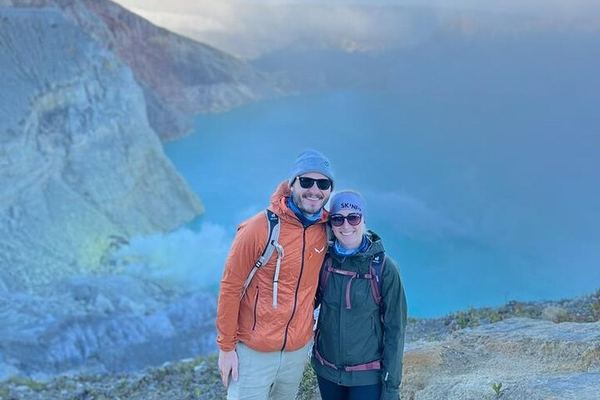
Bromo and Ijen 2D1N, Leaving at 23:30 with the Blue Fire Before Dawn
The pick-up is at 23:30 and day two starts at 1 am, because the blue fire at Ijen is gone the moment the sun comes up. One night in Banyuwangi or Bondowoso.
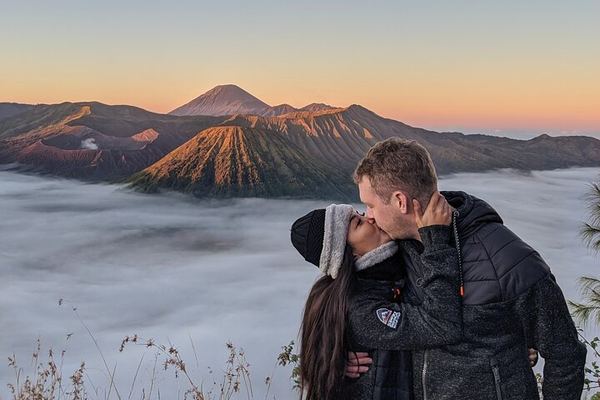
Bromo and Ijen 3D2N, with the First Day Left for the Drive In
Day one is only the transfer, at an hour that suits your flight, so the 3 am Bromo start on day two comes after a night in a proper bed instead of in a car.
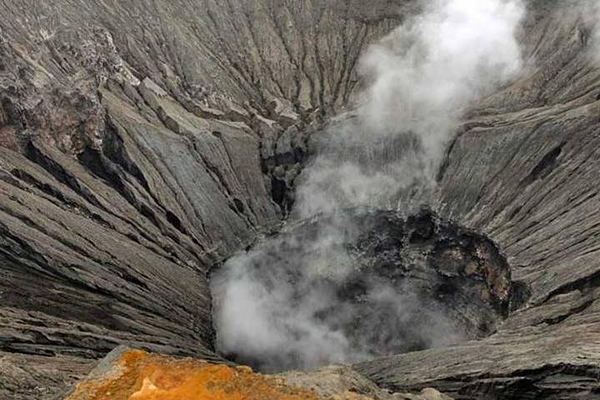
Bromo and Ijen in Three Days, Ending at the Ketapang Ferry
Two nights in hotels at Cemara Lawang and Bondowoso, gas masks handed out at Paltuding, and a finish at Ketapang harbour where the ferry to Bali leaves.
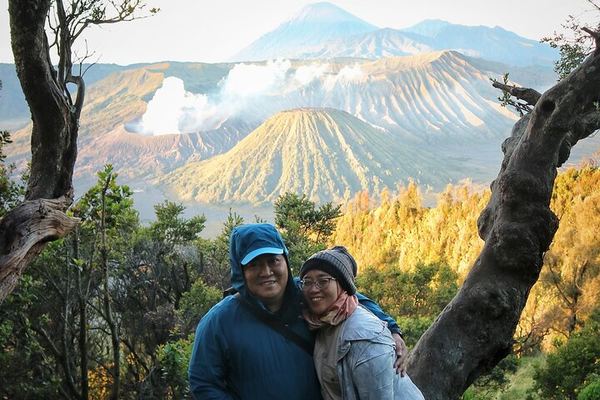
Bromo and Ijen in Two Days, with the Bali Ferry Ticket Paid
The driver pays for the ferry ticket to Bali at Ketapang, a local trekking ranger leads the Ijen trek, and the night is in a homestay or hotel in Bondowoso.
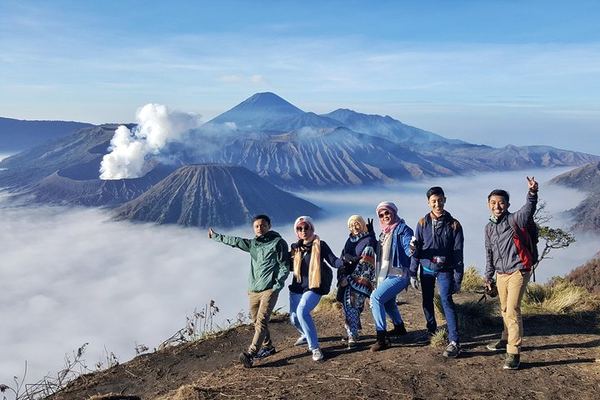
Bromo in Seven Stops from Malang, Including Bukit Cinta
Seven stops instead of three, and the operator says outright that the driver rests until 06:00 and that jackets are rentable at the sunrise viewpoint.
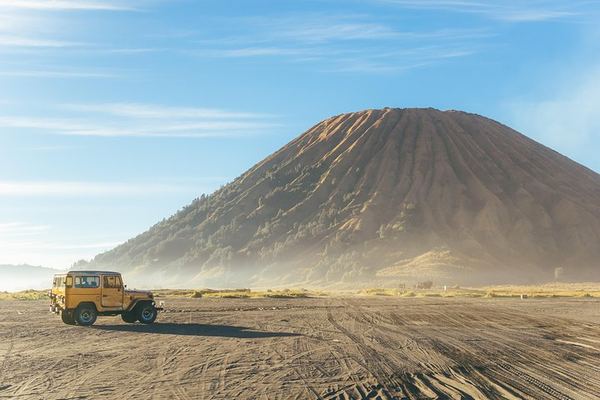
Bromo's 250 Steps and Ijen with Guides Who Were Miners: Three Days from Bali or Java
The guides who take you down into the Ijen crater are former miners, and the way up Bromo ends on the 250 steps cut into the rim, at first light.
Ratings collected by Viator and Tripadvisor
Found your month?
Every destination in these grids has its own page, with the tours that actually run there.

Data verified on. Built from thirty-year climate normals published by national meteorological services, cross-checked against park opening rules. A typical year, not a forecast. Editorial Policy