
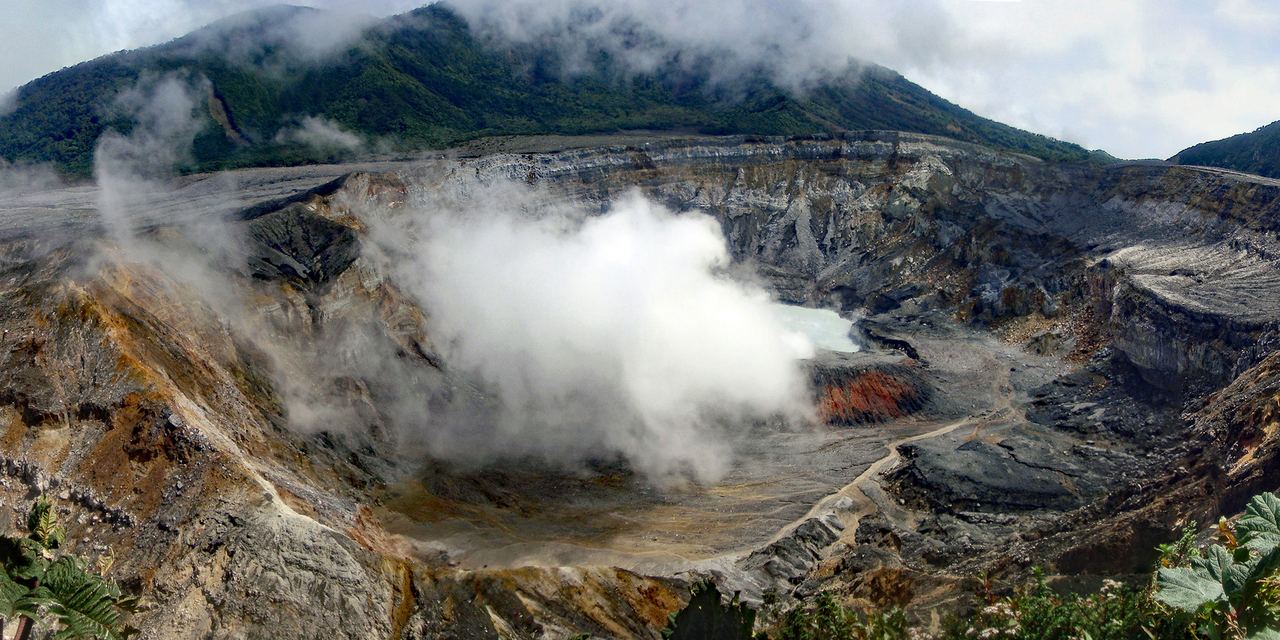
Volcano Tours in Costa Rica
Six active volcanoes, 112 experiences, and the fact nobody leads with: nothing here has produced watchable lava since October 2010.
Six volcanoes in Costa Rica are classified as active, and not one of them has produced lava a visitor could stand and watch since Arenal stopped in October 2010. That single fact explains the shape of the whole market. What the country sells is not eruption viewing. It is a set of national parks where the volcano heats the rivers, feeds the soil and holds up the forest, and where the day you book turns out to be a rainforest day with a crater somewhere inside it. Arriving with the other expectation is the most common way to be disappointed here, and it is entirely avoidable.
The three areas do not substitute for each other. Arenal is a small town with a mountain behind it and sixty-four things to do in the rain. The Central Valley volcanoes are craters you drive up to and look into, half a day from San José, usually with a coffee estate attached. Guanacaste is dry forest, boiling mud and the one volcano currently misbehaving. They sit three to five hours apart by road, which is more than most two-week itineraries allow for. What follows is what each costs, how far apart they really are, and how to choose between them.
Choose a destination in Costa Rica
-
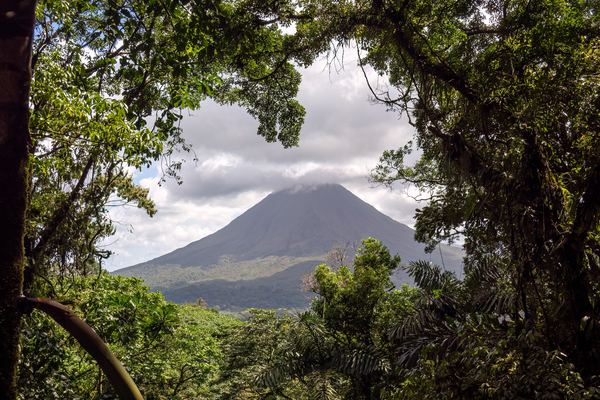
Arenal Volcano
Arenal Volcano tours from La Fortuna: hanging bridges, hot springs, waterfalls, rafting and rainforest hikes. The cone has been dormant since October 2010.
64 experiences in 6 destinations -
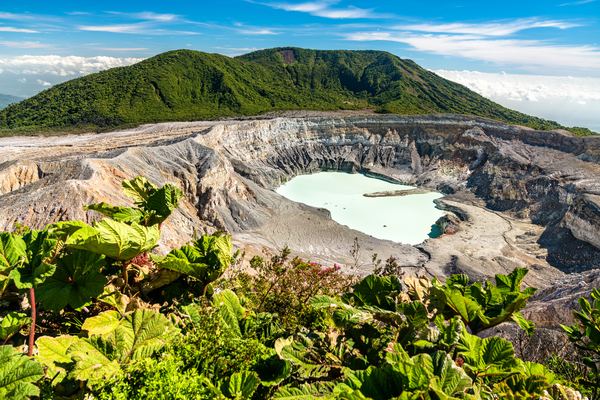
Poás & Irazú Volcanoes
Volcano tours from San José: the Poás acid crater lake, Irazú's drive-up summit at 3,432 m and Turrialba. Which to choose, and why the morning cloud decides it.
28 experiences in 3 destinations -
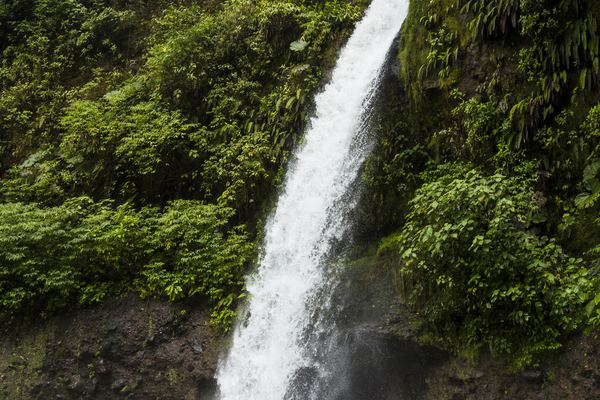
Rincón de la Vieja
Guanacaste's volcanoes: Rincón de la Vieja's boiling mud, the Río Celeste inside Tenorio, and the Miravalles geothermal field.
20 experiences in 3 destinations


Volcano Travel Experiences in Costa Rica
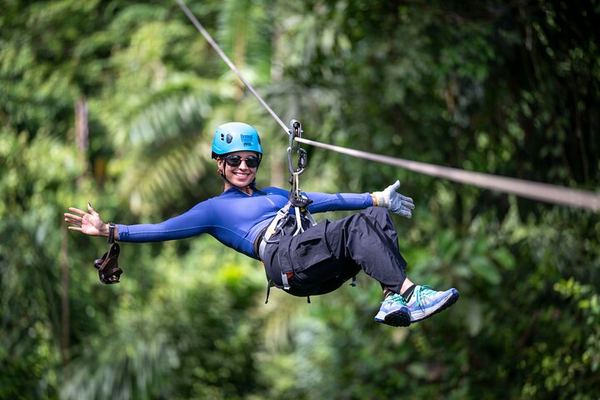
7-Cable Zipline Over the La Fortuna Waterfall, Small Group
The only zipline course that crosses directly above the La Fortuna waterfall, flown in a small group over half a day. Seven cables, canyons and forest.
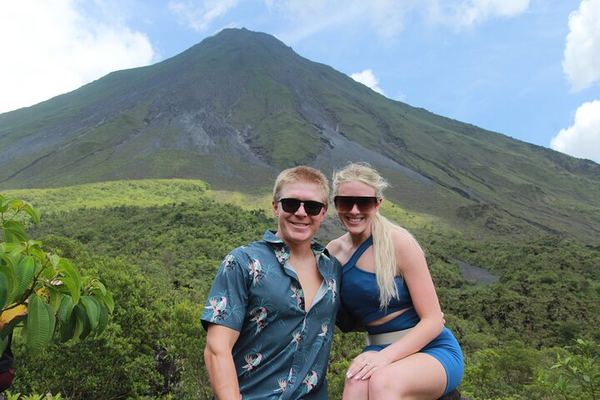
Afternoon Arenal Volcano Hike and the El Choyín Hot Springs River
The west-side trails walked in the afternoon, then a natural hot springs river rather than a resort pool. Meeting at the Sloth Park reception, free parking.
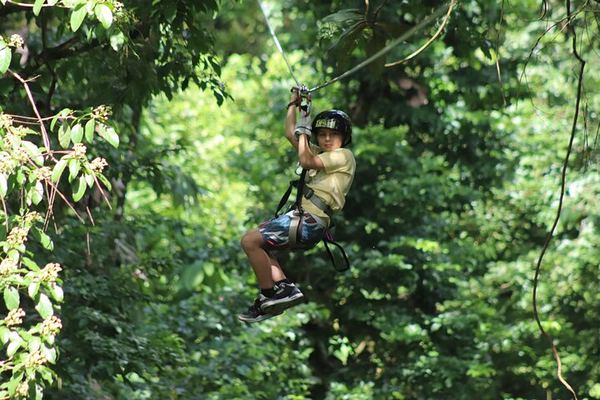
Airtime Zipline: 9 Cables, a Practice Line and No Extreme Heights
A practice cable before the long ones and a 38-metre ceiling, so the course works for children from 4 up. Cables from 80 to 550 metres, ICT permits held.
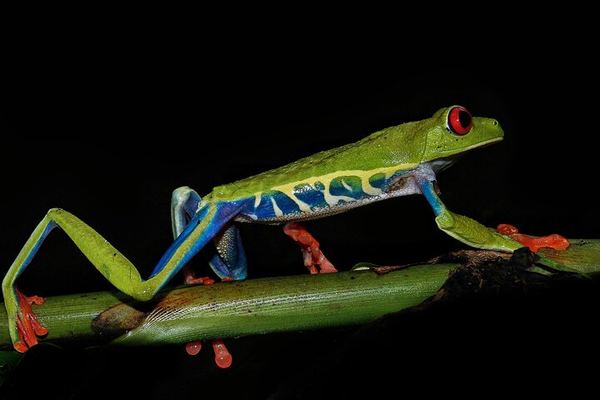
ANURA Night Walk: 9 Lagoons, Alligators and Groups of Eight
Nine lagoons and a lake on restored trail, with alligators in the wet areas and a cap of eight people per guide. Two hours of walking after dark.
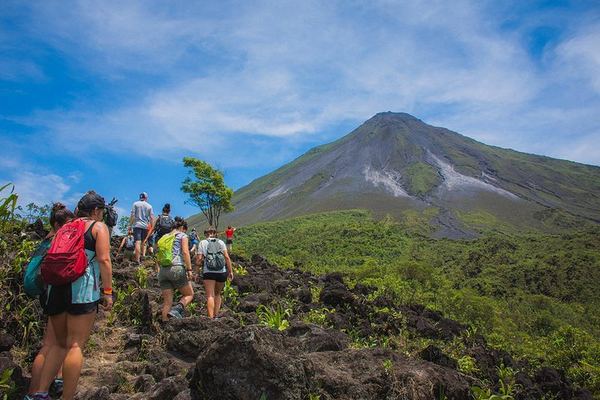
Arenal 10-Hour Combo: a 6-Hour Jungle Hike, Volcanic Mud Ponds and Hot Springs
Six hours of the hardest walking around La Fortuna, volcanic mud ponds to get into, and a thermomineral river at the end. Very good fitness required.
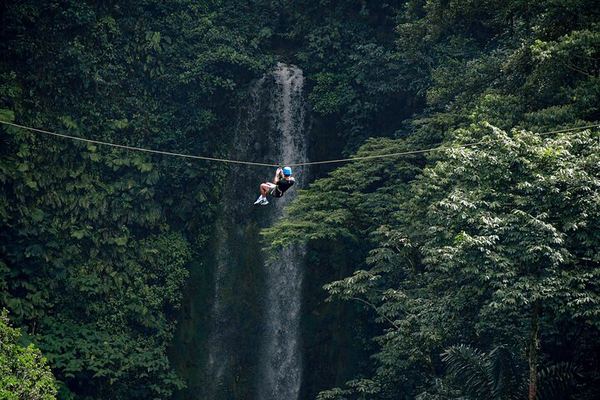
Arenal 12-Cable Zipline Course, Waterfall Crossing Included
The full twelve-cable course, half a day long, including the one line that crosses above the La Fortuna waterfall. Free parking if you drive yourself.
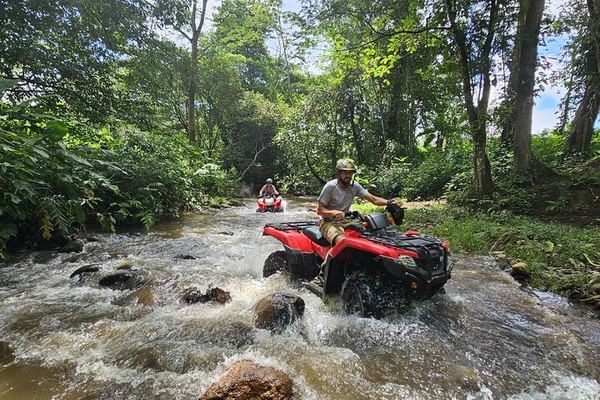
Arenal ATV and Zipline: 28 km on a Private Farm, Then 8 Cables
Twenty-eight kilometres of private farm on a quad, a driving test before you set off, then eight cables reaching 600 metres long and 90 metres up.
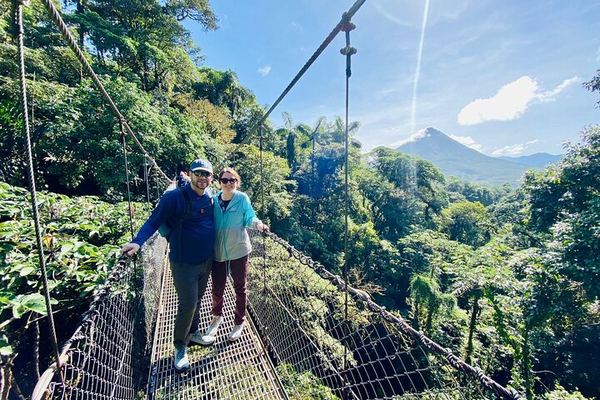
Arenal Bridges and La Fortuna Waterfall with Lunch at the Rodríguez Family Home
Lunch is at the Rodríguez family's table rather than a tourist dining room, and the certified local guides shape the day around what you ask to see.
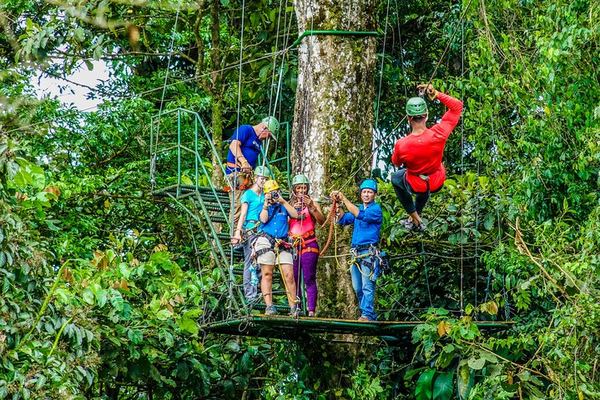
Arenal Canopy and Horseback Riding: Trails on Horseback, Cables Through the Trees
The trails on horseback first, at ground level and at the pace a horse sets, then the zip lines running through the canopy over the same stretch of forest.
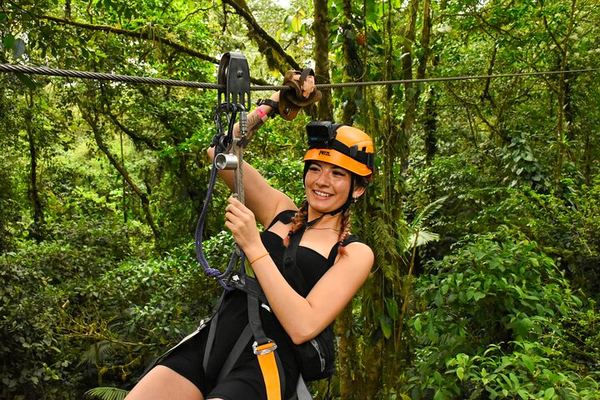
Arenal Canopy and Tarzan Swing: Two Guides on Every Cable
Two guides work every cable, one clipping you on and one braking you in at the platform, and each platform looks over a different stretch of canopy.
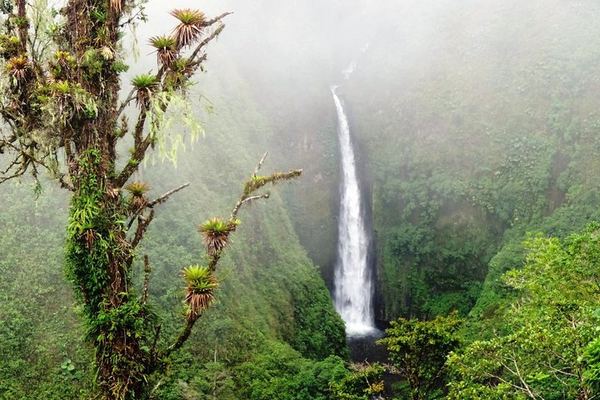
Arenal Combo from San Jose: Seven Ziplines and a 150-Foot Rappel over the River
Two hours in the canopy split this from the other San Jose day trips: seven cables and a rappel over the Arenal River, with hot springs and dinner after.
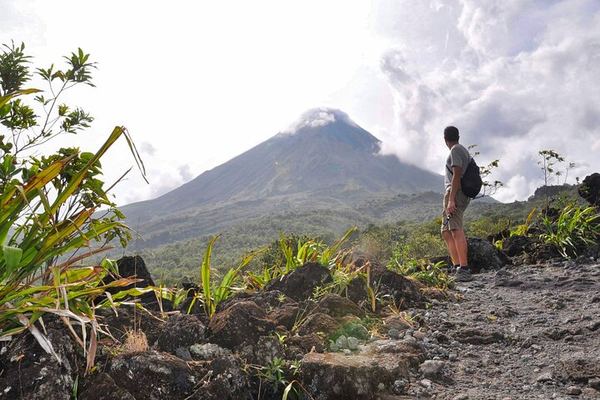
Arenal Day: 80-Metre Bridges at Mistico, El Silencio Lava Fields and 6 Thermal Pools
Six bridges at Mistico, some of them spanning 80 metres, an hour and a half on the 1968 lava fields, and six thermal pools at different temperatures.
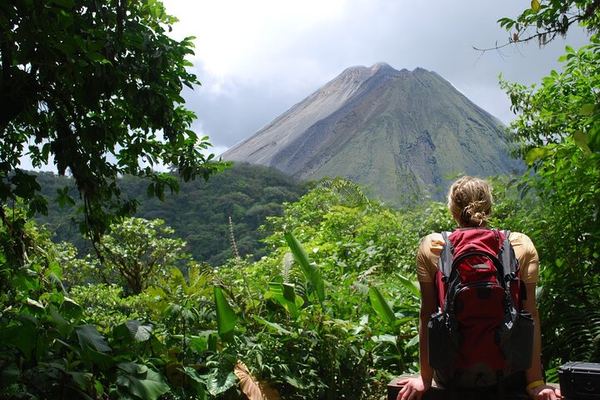
Arenal Four Attractions in a Day: 16 Bridges, Waterfall, Lava Block, Hot Springs
Sixteen bridges reaching 60 metres up, a petrified lava block 45 minutes into the reserve, and both lunch and dinner in the price. The day starts at 7:30.
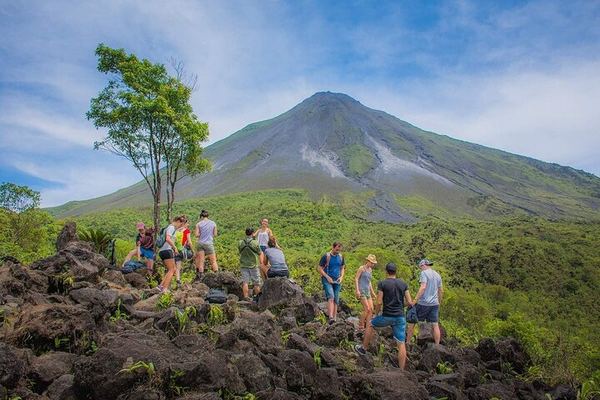
Arenal Four-Stop Day with Set Times: Waterfall, Volcano, Mistico and El Choyín
Every stop has a stated length: two hours at the waterfall with 40 to swim, 2.5 at Mistico, 40 minutes at El Choyín. Transport, entries and lunch included.
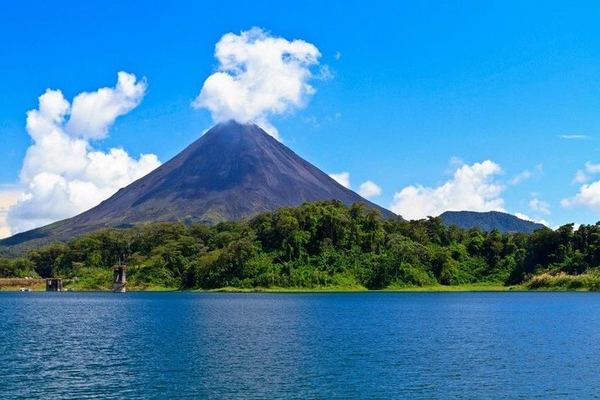
Arenal from Guanacaste: Café Macadamia, Místico and Titoku
Breakfast at Café Macadamia looking over Lake Arenal, the Místico hanging bridges after it, and the afternoon in the mineral water at Titoku hot springs.
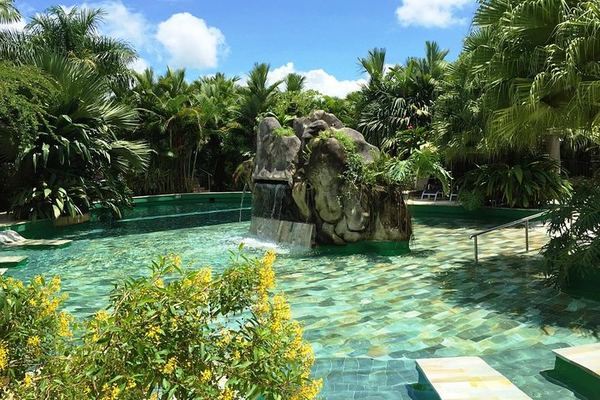
Arenal from San Jose: the Maleku Presentation, the Iguana Centre and Paradise Hot Springs
The scenic route rather than the highway, a bird gallery over San Fernando falls, the Maleku presentation after lunch, and hours at Paradise Hot Springs.
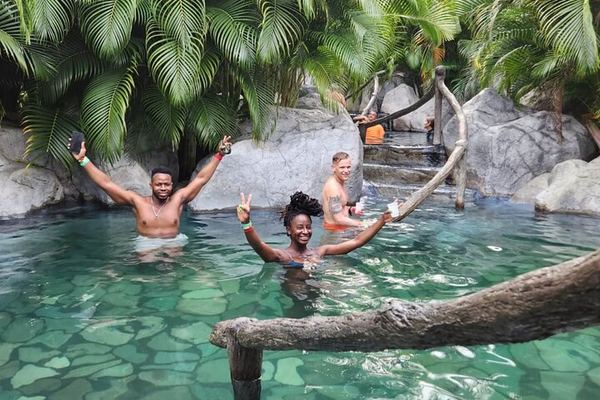
Arenal Full-Day Combo: 9 Hanging Bridges, Peñas Blancas Viewpoint and the Maleku Palenque
Nine bridges at canopy height, the 1968 lava fields at El Silencio and 45 minutes at the waterfall pool, with lunch at the Maleku village ecological park.
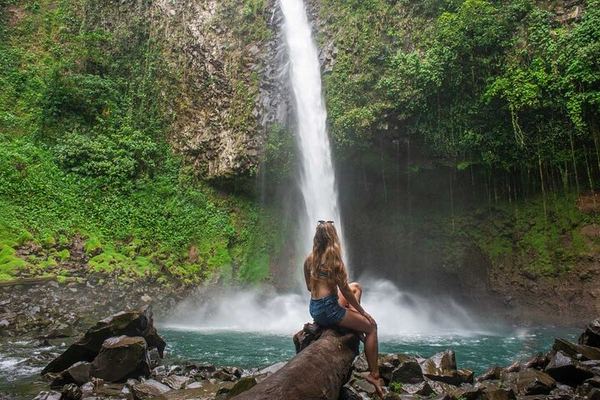
Arenal Full Day: Mistico, the '68 Lava Field, the Waterfall Canyon and Optional Springs
The hot springs are a choice at the end rather than a fixture, and the guide pours the cocktails. Twenty minutes of jungle stairs down to the waterfall pool.
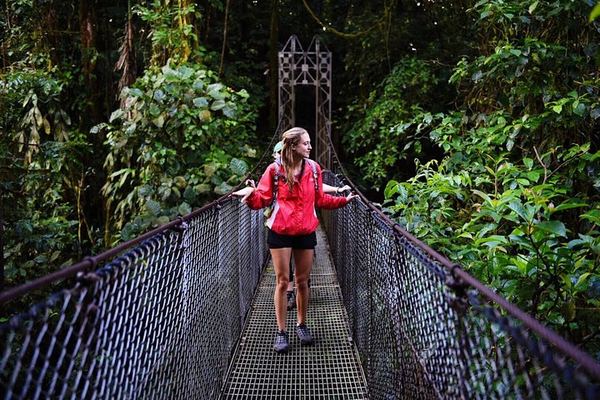
Arenal Full Day with Red Lava: the 70 m Waterfall, El Silencio Viewpoint and Termalitas
Red Lava's full day covers every entrance fee, a hot lunch, two breaks and a cocktail, and it climbs to El Silencio, the highest viewpoint around Arenal.
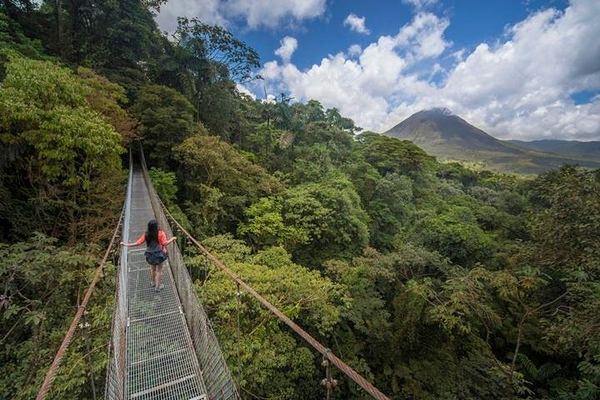
Arenal Hanging Bridges: 15 Bridges on a 3.1 km Circuit through 243 Hectares
Fifteen bridges, some fixed and some over the canopy, on a 3.1 km loop through 243 protected hectares. Ecoterra must be contacted 24 hours ahead.
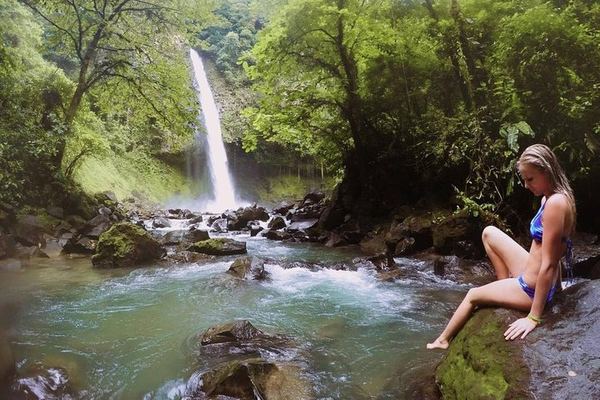
Arenal Highlights, 7:30 to 5:30: Mistico, the Waterfall and Mirador El Silencio
Three attractions on fixed slots between 7:30 and 5:30, with every entrance fee, a bilingual naturalist guide, water, cookies and lunch in the price.
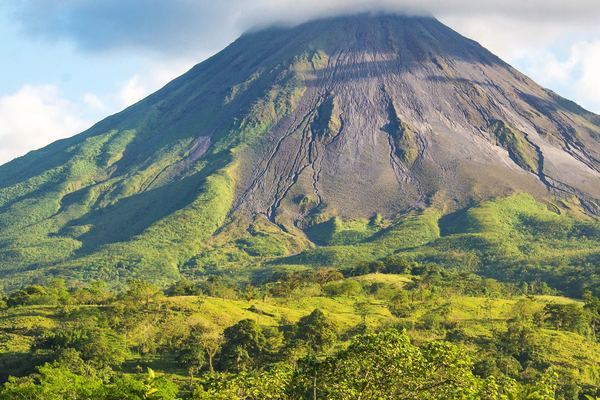
Arenal in a 15-Hour Day, with Baldi or Ecotermales
Fifteen hours from door to door, a stop at Sarchí on the way, and a choice of hot springs made at booking: Baldi or the pricier Ecotermales La Fortuna.
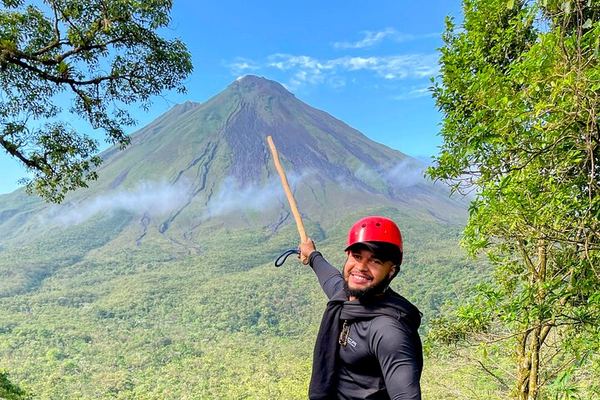
Arenal in a Very Small Group: the Hidden Thermal River and Los Lagos
Meals are left out on purpose and the group stays tiny, which is how this day reaches a thermal river in the forest with no lockers, no queue and no tiles.
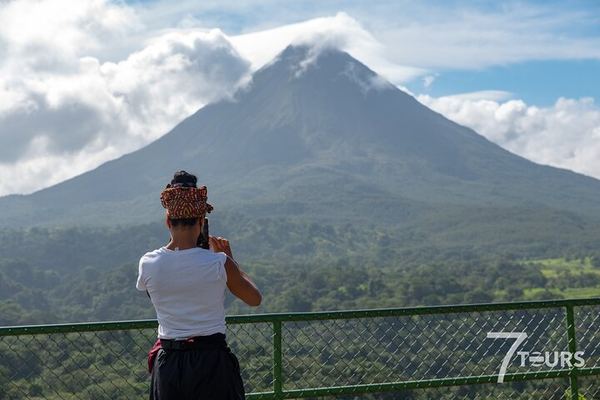
Arenal in One Day: Mistico Bridges, Waterfall, 1968 Trails and Baldi with Dinner
Fourteen hours from 7:30 am, four attractions on a fixed timetable, and both lunch and dinner in the price. The Baldi hot springs run from 5:30 to 8.
Ratings collected by Viator, Tripadvisor and Civitatis
Two mountain ranges, and the volcano that belongs to neither
Costa Rica's volcanoes stand along the line where the Cocos plate slides under the Caribbean plate off the Pacific coast, and they fall into two ranges. The Cordillera de Guanacaste in the northwest carries Rincón de la Vieja, Miravalles and Tenorio. The Cordillera Central, behind San José, carries Poás, Barva, Irazú and Turrialba. Arenal belongs to neither. It stands on its own at the eastern end of the Cordillera de Tilarán, which is why it looks like a child's drawing of a volcano while the others look like mountains.
That isolation is also why Arenal became the tourist capital. A symmetrical cone rising straight out of flat farmland beside a lake, visible from thirty kilometres away on the days it is visible at all, and it spent forty-two years erupting. The Central Valley volcanoes are higher, wider and older, and you meet them by driving up a road until you are standing on the rim of a hole.
| Arenal and La Fortuna | Central Valley: Poás, Irazú, Turrialba | Guanacaste: Rincón, Tenorio, Miravalles | |
|---|---|---|---|
| Listings here | 64 | 28 | 20 |
| What you actually do | Rainforest activities at the foot of a dormant cone | Drive to a crater rim and look in | Walk through mud pots, fumaroles and dry forest |
| You base yourself in | La Fortuna | San José or Alajuela | Liberia, Playa Hermosa or Tamarindo |
| Getting there | 148 km from San José, about 3 hours | 45 to 90 minutes from San José | About 1 hour from Liberia airport |
| Usual price | 44 to 180 EUR | 75 to 185 EUR | 78 to 190 EUR |
| Park entry, non-resident adult | 15 USD + 13% tax | 15 USD + 13% tax | 12 USD at Tenorio, 15 USD + tax at Rincón |
| Half day possible | Yes, for most things | Yes, for Poás and Irazú | Rarely, the drives are too long |
| Best if you want | Several different things from one hotel | A real crater with the least effort | Boiling ground and fewer people |
Why this is a rainforest holiday with a volcano in it
Look at what is actually on sale and the picture is not ambiguous. Of the sixty-four Arenal listings on this site, twelve are hanging bridges, twelve are ziplines, twelve are rafting or tubing, nine are hot springs and seven are waterfalls. Twelve sit under the volcano itself, and a third of those are night walks looking for frogs. The cone is the backdrop. The forest is the product.
The Central Valley tells the same story in a different accent. Of the ten Poás listings here, eight bundle the crater with a coffee estate, the La Paz waterfall gardens, or both, and only two sell the national park on its own. That is not laziness on the operators' part. Twenty minutes at a lookout is not a day out, and they know it.
If you came to watch molten rock, Costa Rica has been the wrong country since 2010. If you came to spend a week inside a forest that happens to be built out of volcanoes, nowhere is better organised for it.
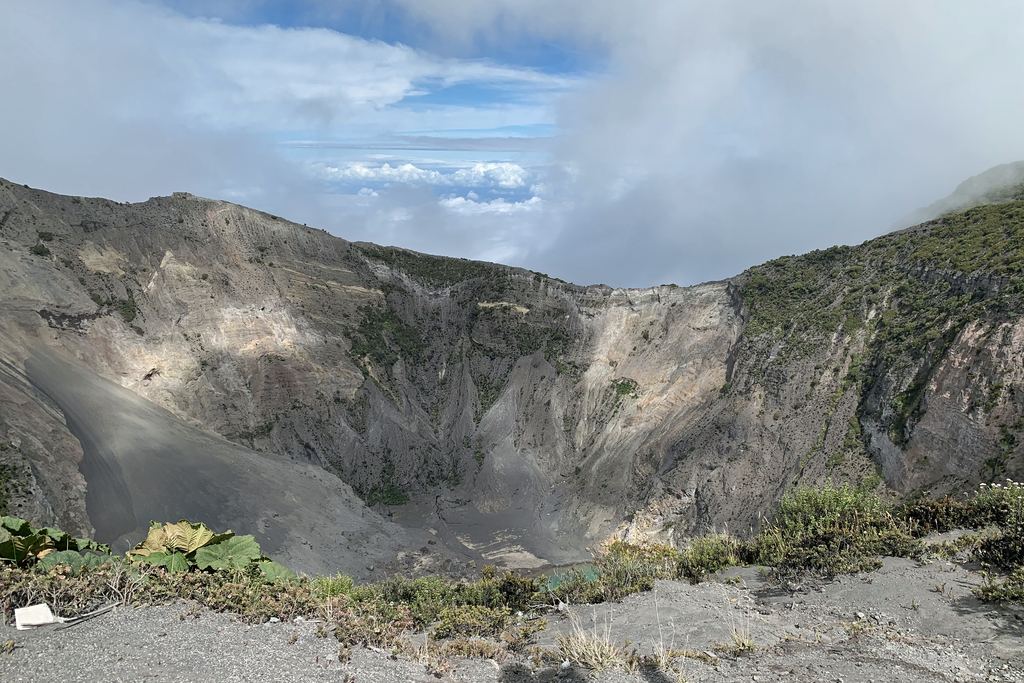
The Central Valley: craters you can drive to
Irazú is the highest volcano in the country at 3,432 metres and the least effort of any crater in Central America: a paved road runs almost to the rim, and on a clear morning both oceans are visible from the top. Poás, an hour the other way from San José, holds one of the largest acid crater lakes in the world, water sour enough and hot enough that the lake has boiled dry and refilled again within a decade. Turrialba, the third of the group, is watched from viewpoints on its flank rather than entered.
Both of the first two are half-day trips and both are weather lotteries. The cloud normally comes up between 10:00 and 10:30, the tickets are timed, and they are not refundable. The first slot of the morning is the only one worth buying, which is why the tours that do these craters leave San José before six.
What a day actually costs
The park is the cheap part of the bill. Entry for a non-resident adult is 15 USD plus 13% tax at most of these parks, about 17 USD, and 12 USD at Tenorio. Everything else you pay for is transport, a guide, and the private attractions in between. A guided combination day out of La Fortuna runs between roughly 128 and 241 EUR, and the volcano's own gate is seventeen dollars of that.
Worth saying plainly, because nobody selling you the day will: with a rental car, the same three sights cost you the entrance fees and a tank of fuel. Without one the combination tour is genuinely good value, because Costa Rican distances are longer than the map suggests and the public buses are not built for this itinerary. The spread below is the honest version.
| Type of day | Where | Price | How long |
|---|---|---|---|
| National park entry on its own | Arenal, Poás, Irazú, Rincón | about 17 USD | Self-guided |
| Tenorio and the Río Celeste, entry only | Guanacaste | 12 USD | Self-guided |
| One guided activity | La Fortuna | 44 to 95 EUR | 2 to 5 hours |
| Waterfall, volcano walk and hot springs | La Fortuna | 88 to 105 EUR | 8 to 11 hours |
| Three or four sights in one day | La Fortuna | 128 to 241 EUR | 10 to 14 hours |
| Crater, coffee estate and waterfall gardens | San José | 103 to 185 EUR | 8 to 10 hours |
| Volcano, waterfall and hot springs | Guanacaste | 110 to 190 EUR | 8 to 10 hours |
| Private day with your own guide and vehicle | Anywhere | 132 to 309 EUR | Full day |
The tickets are the part that goes wrong
Since August 2023 you cannot buy a national park ticket at the gate in Costa Rica. Every entry goes through the reservation system in advance, with the passport number of each person in the party, and the tickets are neither refundable nor movable to another day. Parking is charged separately and at several parks it is cash in colones only, which catches people who have been tapping a card for a fortnight.
The rest is local, and it decides itineraries. Rincón de la Vieja is closed on Mondays, and the trail to its crater has been shut for years, so what you actually walk is the geothermal loop lower down. Turrialba does not appear among the bookable parks on the reservation system at all, which is what a closed park looks like now that nothing is sold at the gate. Poás alternates according to how the volcano is behaving: at a low alert level it takes over two thousand visitors a day with no time limit at the lookout, and when the volcano is restless it reverts to small timed groups, helmets and twenty minutes at the rim.
The longest Poás closure of the last two years had nothing to do with the volcano. In January 2026 the park shut because a bridge on the access road was judged unsafe. Anyone who read the words "Poás closed" and cancelled a trip cancelled it over a bridge.

Read the closure notice before you cancel the trip. Costa Rican parks close for eruptions, for landslides, for bridges and for Mondays, and only one of those four is worth changing your plans over.
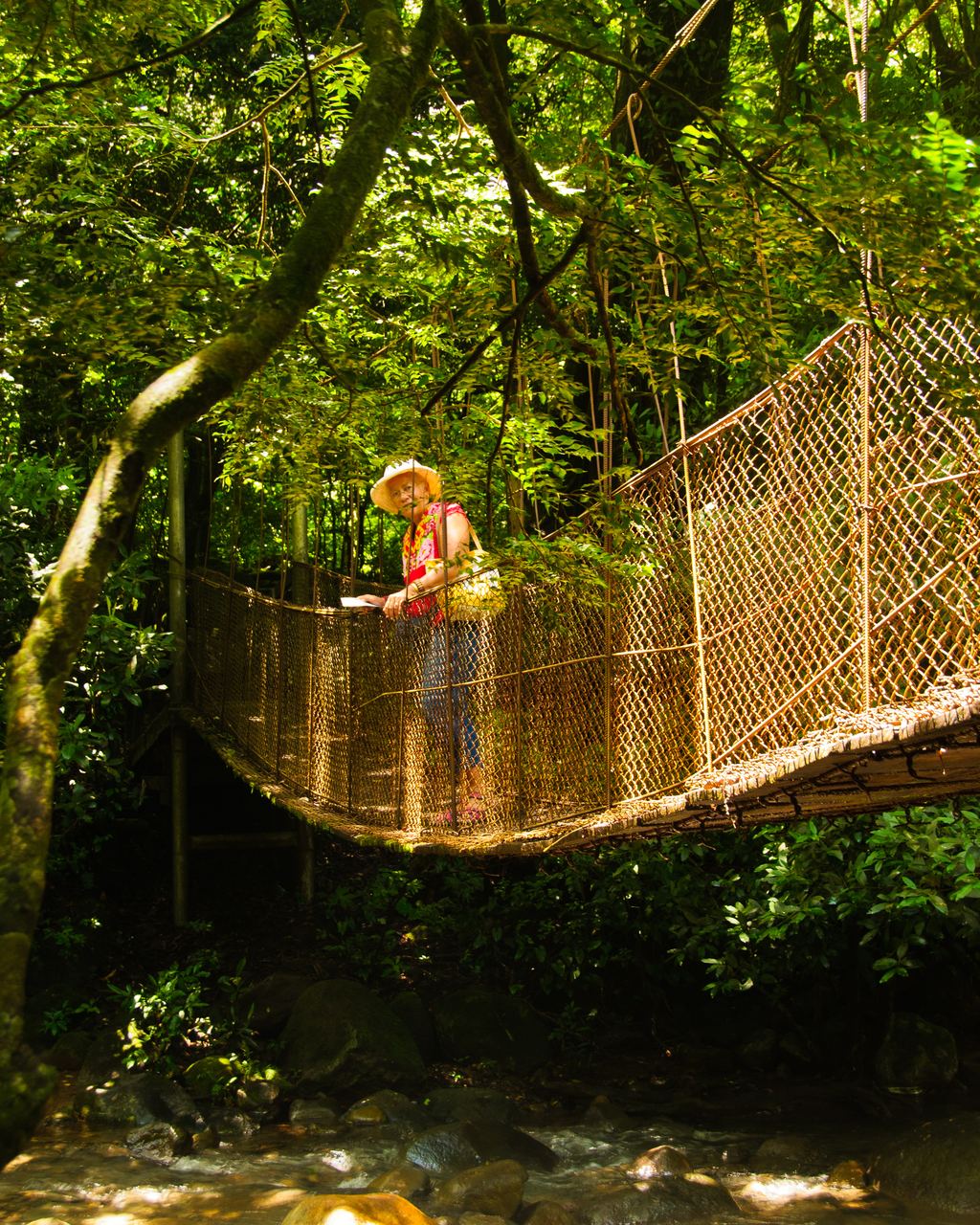
What you actually see, if it is not lava
Sloths, mostly, and howler monkeys you hear an hour before you see. Costa Rica protects about a quarter of its land and the volcanic parks are a large slice of that, which is why the guiding here is unusually good: the naturalist walking you across a lava field from 1968 is trained to find a red-eyed tree frog on the underside of a leaf, and carries a spotting scope to prove it. The night walks around La Fortuna exist because most of the forest's animals are nocturnal, and at 44 to 66 EUR they are the cheapest guided thing in the area.
The geology shows up as heat and water rather than as fire. Rivers that arrive warm. Mud that boils. Steam coming out of a hillside at the roadside in Guanacaste with nothing fenced off around it. It is a slower spectacle than an eruption, and it is available every day of the year, which the eruption never was.
When to come, and what the rain actually does
The dry season runs December to April and is the reliable window for everything. May to November is the green season: mornings are usually clear, the rain arrives in the afternoon and stops, and prices drop. September and October are the wettest months on the Pacific side of the country and, awkwardly, among the driest on the Caribbean coast, so no single trip can optimise for both.
Arenal is the exception that trips people up. La Fortuna sits on the Caribbean slope of the continental divide, where it rains in every month of the year, and the dry season there is less dry than the brochures imply. One activity improves with the weather everybody else is avoiding: the rivers off the Arenal massif run higher and faster in the green season, and the rafting is better for it. Nobody selling dry-season packages will mention that.
| Month | 1 | 2 | 3 | 4 | 5 | 6 | 7 | 8 | 9 | 10 | 11 | 12 |
|---|---|---|---|---|---|---|---|---|---|---|---|---|
| Arenal and La FortunaCaribbean slope, so it rains every month; the cone shows itself most often at dawn between December and April | 1 | 2 | 3 | 4 | 5 | 6 | 7 | 8 | 9 | 10 | 11 | 12 |
| Central Valley cratersCloud closes the crater lookouts from about 10:30, and September and October are the wettest months on this slope | 1 | 2 | 3 | 4 | 5 | 6 | 7 | 8 | 9 | 10 | 11 | 12 |
| GuanacasteDry forest: brown and above 35 °C by April, green and walkable from June, and the geothermal trails are easiest before the heat | 1 | 2 | 3 | 4 | 5 | 6 | 7 | 8 | 9 | 10 | 11 | 12 |
Months are shown as numbers. Based on the operating calendars of the products on this site and the rainfall pattern of the two slopes, checked August 2026.
So which one
With one volcano day and a bed near San José, do Irazú or Poás and accept that it is ninety minutes of your life at a rim with a coffee estate attached. With three days, go to La Fortuna and treat the volcano as scenery for bridges, water and rope. With a week, and Arenal already seen, Guanacaste is hotter, quieter and more geological: Rincón is the one park here where the ground under your boots is boiling.
The combination that consistently disappoints is the single day trip to Arenal from San José. It is a three hour drive each way, and the listings that do it cost 145 to 176 EUR to buy you a few hours in La Fortuna, most of them spent in a minibus. If Arenal is the reason you came, sleep there.
Questions people actually ask
Can you see lava in Costa Rica?
No, and you have not been able to since October 2010, when Arenal ended forty-two years of continuous activity and went quiet. Nothing in the country currently produces lava that a visitor can watch. Older travel writing still says otherwise, including a widely copied line about crossing to the other side of Arenal for a glimpse of the lava, which has been wrong for sixteen years. What you can see is fumaroles, boiling mud, acid crater lakes and rock that cooled in 1968.
Which Costa Rican volcano should I visit?
Arenal if you want a base with a lot to do around it, and are content that the volcano is scenery. Poás or Irazú if you want to look into an actual crater with the least effort, since a road takes you almost to the rim of both. Rincón de la Vieja if you want to walk through geothermal ground: mud pots, steam vents and fumaroles in a dry forest, which is the closest Costa Rica comes to a live volcano at ground level.
How much does a volcano tour in Costa Rica cost?
Between 44 and about 190 EUR for almost everything worth doing, with the full-day combination trips out of La Fortuna at 128 to 241 EUR and private days going to 309. Park entry is separate and much cheaper: about 17 USD for a non-resident adult at most parks, 12 USD at Tenorio. If you are driving yourself, the gate fee plus fuel is the whole cost of the day.
Do I have to book park tickets in advance?
Yes. Since August 2023 nothing is sold at the gate: all national park entry is reserved online beforehand, with the passport number of every visitor, and the tickets cannot be refunded or moved to another date. Parking is charged separately and at several parks only in cash, in colones. A guided tour that includes the entrance has already dealt with all of this for you, which is a real part of what you are paying for.
How far is Arenal from San José?
About 148 kilometres, and roughly three hours by road, because the route crosses the mountains rather than going around them. Day trips from San José exist and cost 145 to 176 EUR, but they give you only a few hours in La Fortuna. Two nights there is the shortest stay that makes sense. From Liberia, in Guanacaste, it is a similar drive.
Is it safe to visit Costa Rica's volcanoes?
The volcanoes are monitored continuously and the parks close when the alert level requires it, sometimes at a day's notice, which is why visits are more often lost to a closure than to an accident. Rincón de la Vieja is the current example: the park stays open while the trail to its crater stays shut. The risks that actually reach visitors are heat, dehydration, steep wet steps and unfenced boiling ground.
When is the best time of year to go?
December to April is the dry season and the safe answer. May to November is cheaper, greener and usually clear in the mornings with rain in the afternoon. September and October are the wettest months on the Pacific slope, where the Central Valley craters are, and among the driest on the Caribbean side. Rafting is the one thing that gets better in the green season, because the rivers are fuller.
Data verified on. Prices and listing counts read from the Costa Rican products on this site. Park fees, opening days and booking rules from SINAC; volcano status from OVSICORI and the published volcanological record.