

Volcano Tours in the Azores, Portugal
Nine islands built on a three-plate junction, 51 experiences, and three islands that carry all of them.
The Azores are nine islands standing on the seam where three tectonic plates meet. The North American, the Eurasian and the Nubian plates all reach the same point in the middle of the Atlantic, and the archipelago is what that junction built. It sits about 1,400 kilometres west of Lisbon. Every island is a volcano, or several stacked on top of one another, and the highest of them is also the highest ground in Portugal: Mount Pico, 2,351 metres, which is the top of the Mid-Atlantic Ridge with the sea taken away. This page covers the islands where that geology is actually sold to visitors, and says which ones are not.
What this page cannot give you is a single Azorean day, because the three areas do not resemble each other. São Miguel is a driving island with two crater complexes and a valley that steams; you sleep in Ponta Delgada and nothing is more than ninety minutes away. Pico and Faial are a pair separated by seven kilometres of water, and the reason to go is a 2,351-metre climb with a permit system attached to it. Terceira sells the inside of a volcano rather than the outside. Choosing wrong costs more here than it does in most countries, because the link between the islands is a turboprop that fog can cancel.
Choose a destination in Portugal
-
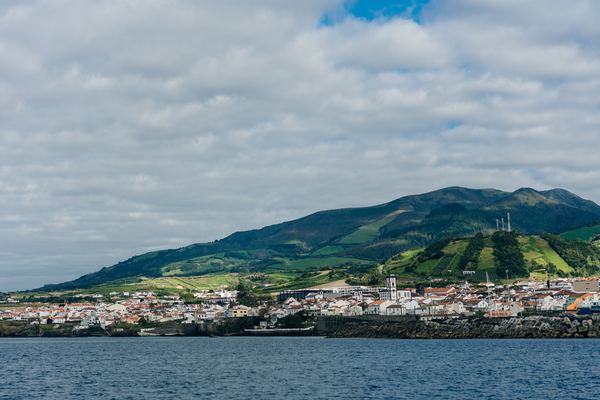
São Miguel
São Miguel volcano tours in the Azores: the Sete Cidades crater lakes, Lagoa do Fogo and the fumaroles and hot springs of Furnas.
35 experiences in 2 destinations -
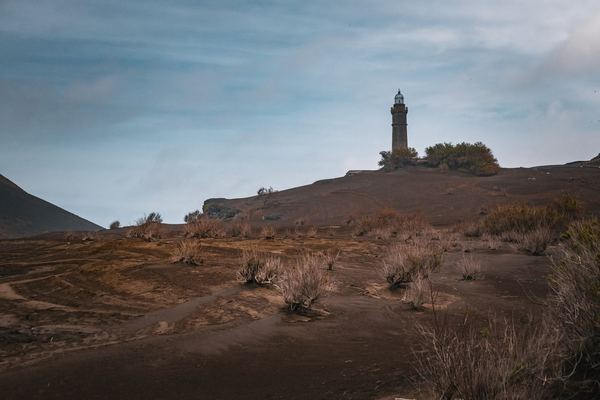
Pico & Faial
Pico and Faial in the Azores: Portugal's highest volcano and the Capelinhos headland, built by the 1957 eruption.
12 experiences -
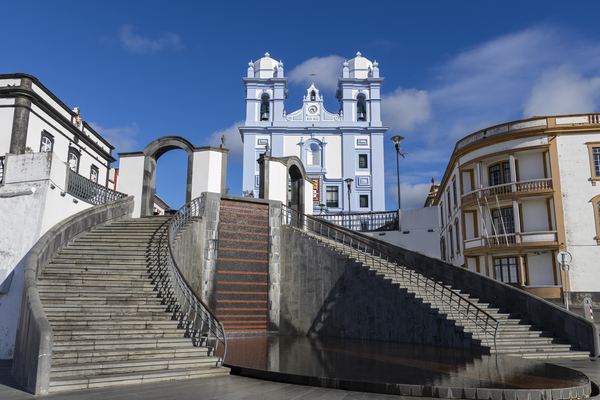
Terceira
Terceira in the Azores, where the volcano is the cave: Algar do Carvão inside the chimney, Gruta do Natal and the Furnas do Enxofre.
4 experiences


Volcano Travel Experiences in Portugal
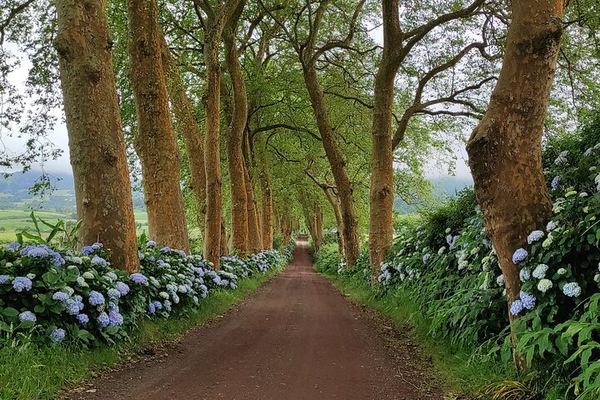
A Custom Day on São Miguel, Including the Nordeste Gardens
Build the day from four: Sete Cidades on the gravel track, the Lagoa do Fogo reserve, geocooking at Furnas, or the flowered viewpoints of the Nordeste.
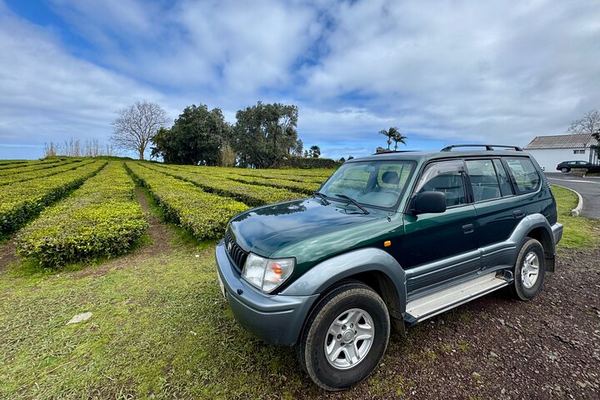
A Private Jeep on São Miguel, Planned in the First 20 Minutes
The first 20 minutes are spent planning the day with the guide, then a private jeep goes where you decided: Sete Cidades, Lagoa do Fogo, Nordeste or Furnas.
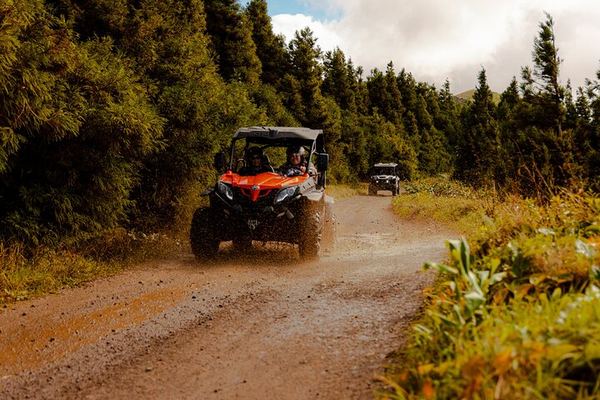
Buggy to Pico da Cruz at 845 m and the Old Whale Factory
A side-by-side buggy over tarmac and dirt to Pico da Cruz at 845 metres, with the Blue Lagoon tracks and the whale factory chimney at São Vicente Ferreira.
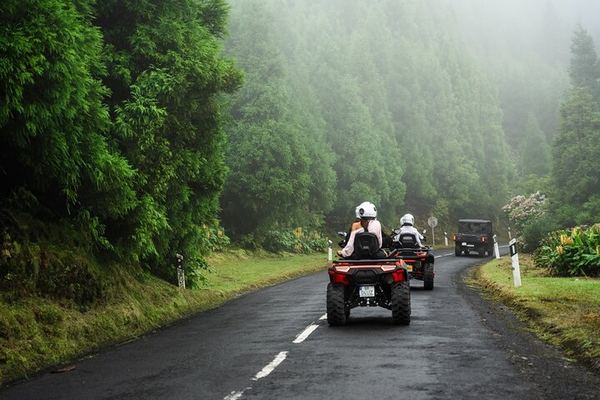
By Buggy to the Sete Cidades Crater and the Abandoned Hotel
Tracks on the crater rim that cars cannot use, the lookout over both lagoons at Cumeeiras, and the abandoned Hotel das Sete Cidades at the Vista do Rei.
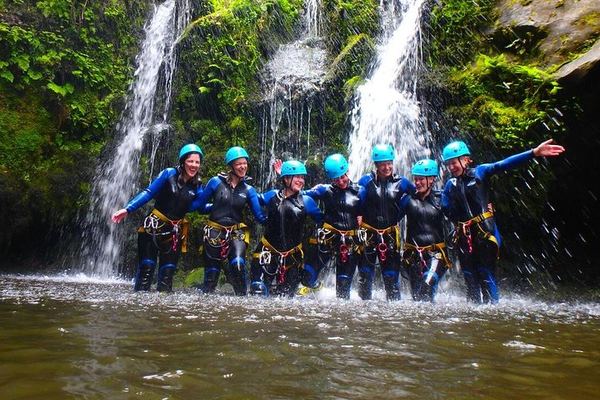
Canyoning at Ribeira dos Caldeirões, Gear and Photos Included
Waterfalls and volcanic rock in the Ribeira dos Caldeirões park, with certified guides, all the gear including shoes, and photographs taken as you go.
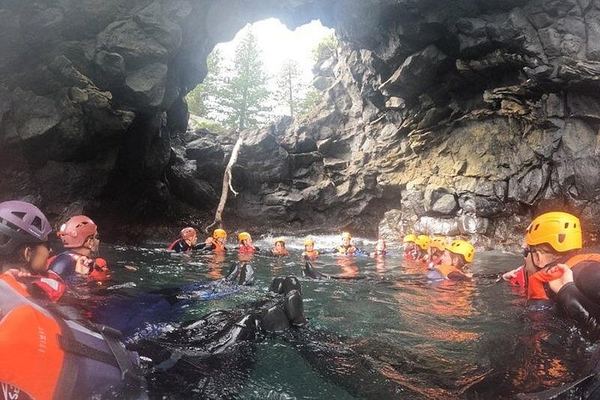
Coasteering at Caloura: Swimming, Climbing and Cliff Jumps
Three hours of swimming, climbing and cliff jumps at Caloura with qualified guides, neoprene gear and a helmet, and photos and videos of the session included.
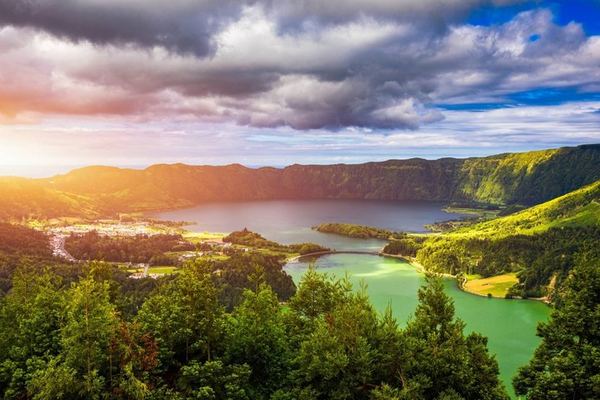
Cruise Stopover on São Miguel: Sete Cidades, Gorreana Tea, Furnas
The driver waits inside the Ponta Delgada terminal hall, sign in hand. Gorreana pours its green and black tea fresh, and Furnas arrives on a smell of sulphur.
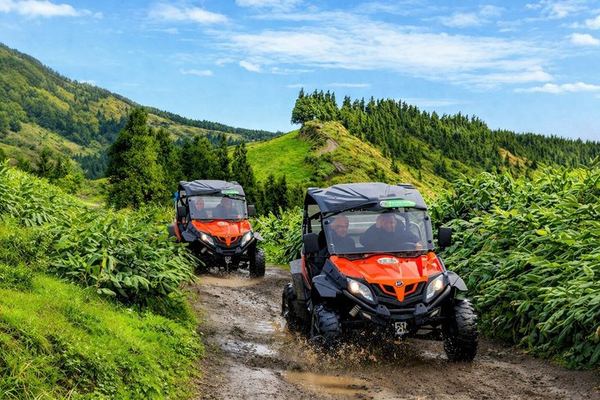
Driving Your Own Buggy Around the Sete Cidades Caldera: 5 km Across, 400 m Deep
Why one lagoon is green and the other blue has a physical answer, not just the legend, and you get to both viewpoints driving the buggy yourself.
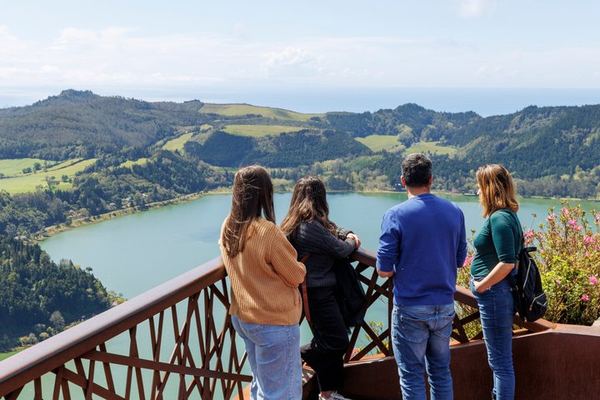
East São Miguel by Electric Van, Eight Seats, Furnas Lunch
An electric van and eight seats, with a traditional Furnas lunch included and a choice between the geothermal fields and the Terra Nostra thermal pool.
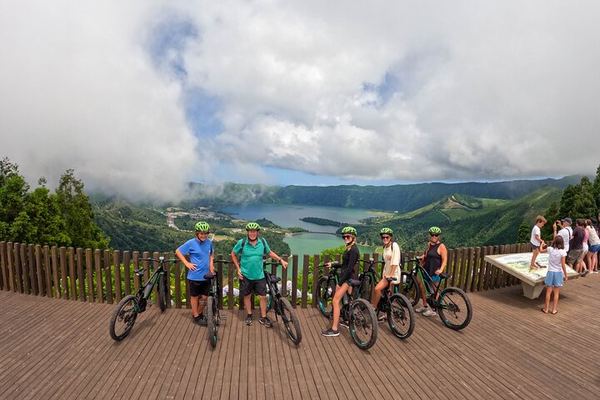
E-Bike Into the Sete Cidades Crater, with the Climb Back Assisted
An e-bike along the crater rim at Sete Cidades and down to the green and blue lakes, with the motor doing the 300-metre climb back and a stop at Santiago.
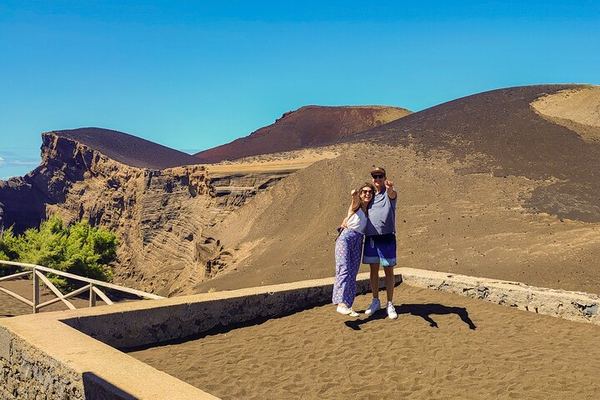
Faial Full Day: the Buried Lighthouse Floor and the Whaling Port
A full day with Ramiro, who lives on Faial: the Capelinhos lighthouse with its first floor still under the ash, lunch off the tourist routes, small group.
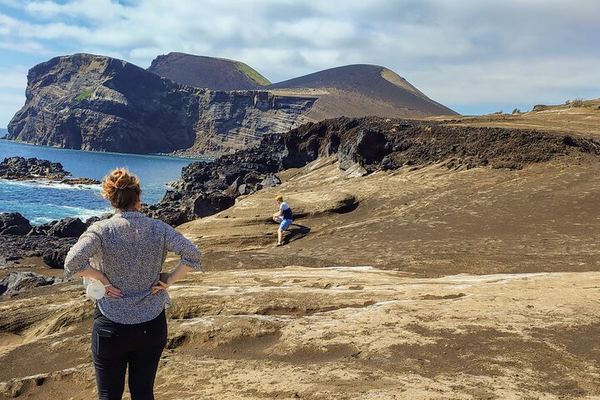
Faial Half Day from the Horta Ferry: Caldeira, Capelinhos, Sea Pools
You are picked up outside the Horta ferry terminal in a grey Opel van, with the caldeira 400 metres deep, Capelinhos, and the sea pools at Porto do Comprido.
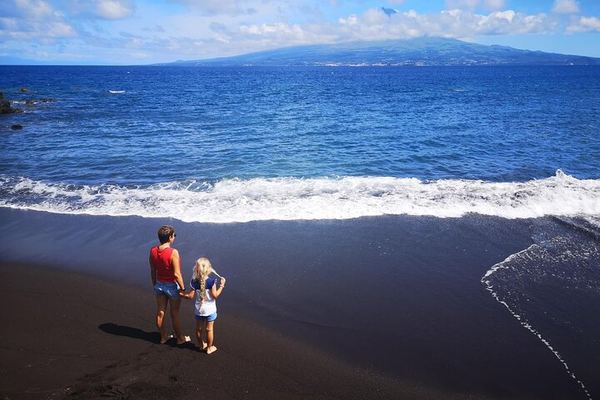
Faial in a Day: Capelinhos, the Caldeira and the Ruined Lighthouse
Seven to eight hours around Faial with a picnic lunch: the Capelinhos volcano, the 2 km caldera, the lighthouse the 1998 earthquake destroyed, black sand.
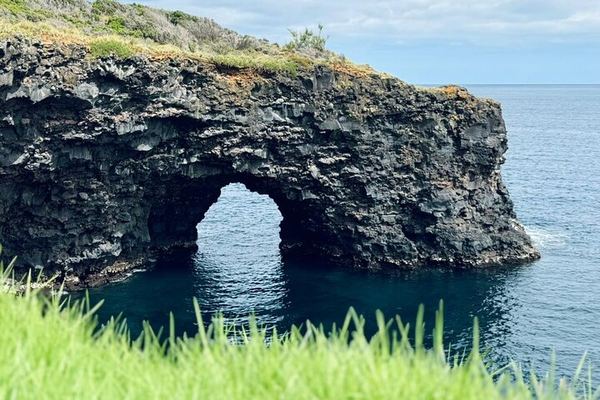
Faial in Four Hours: the Caldeira Rim and the 1957 Capelinhos
Four hours across Faial, from the caldeira 2,000 metres wide to the Capelinhos volcano and the eruption of 1957. Guide, insurance and drinks on board included.
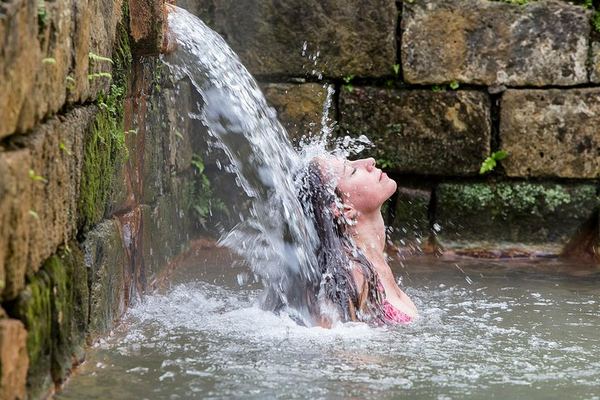
Furnas After Dark: the Poça da Dona Beija Baths and a Cozido Dinner
An evening in Furnas: bathing in the hot springs at Poça da Dona Beija, the cozido cooked in the steam of the caldeiras, and a guided walk as well.
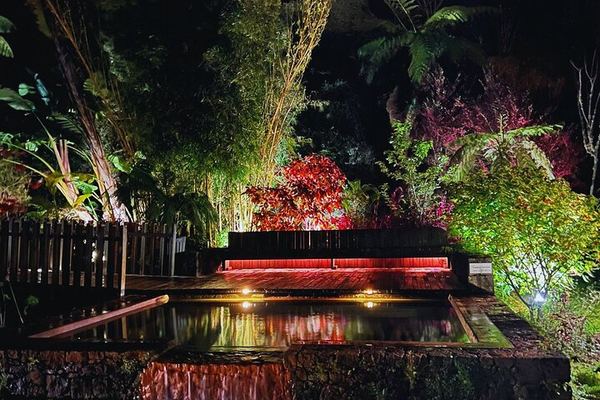
Furnas at Night with Ivo: Dinner, the Baths and the Fumaroles
An evening run to Furnas with a local guide: the cozido cooked six hours underground, the 39°C baths at Poça da Dona Beija, and the fumaroles lit at night.
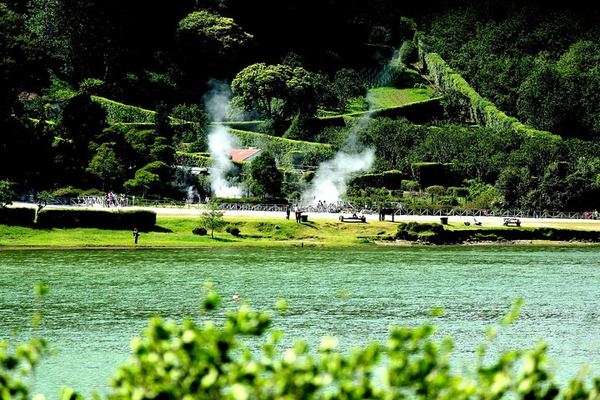
Furnas by 4x4: the Cozido Pits, Terra Nostra and Gorreana Tea
The cozido cooks six or seven hours in holes heated by the volcano, and Chá Gorreana is the oldest tea plantation left in Europe. Two entries not included.
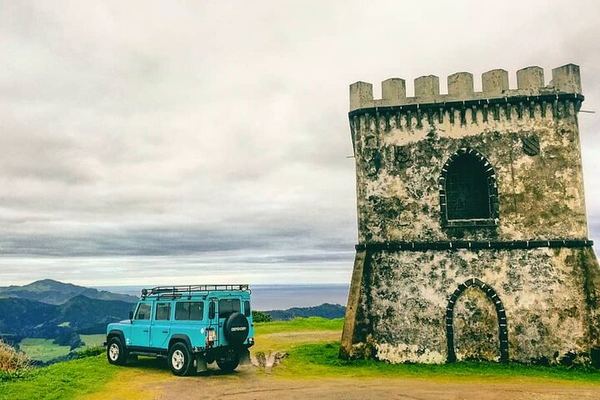
Furnas by Jeep on the Back Roads, with the Cozido and Drinks
A jeep on the secondary roads to Furnas, with the cozido cooked six hours in the hot springs, wine and beer included, and Dona Beija or Terra Nostra after.
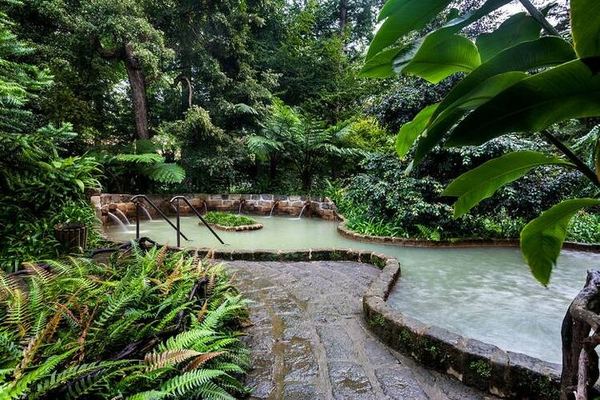
Furnas by Private Car: Terra Nostra or the Poça da Dona Beija
Choose Terra Nostra or the Poça da Dona Beija, which needs booking online in advance, with the Pico do Ferro, Santa Iria and the Gorreana tea factory too.
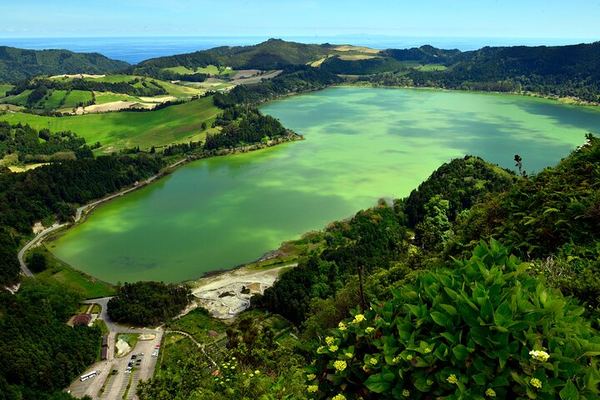
Furnas Day Tour from Ponta Delgada: Gorreana Tea, Hot Springs and the Vila Franca Islet
Pick-ups from 8:45, a free tasting at Europe's oldest tea plantation, hot springs at Terra Nostra and meat cooked underground in the Furnas caldeiras.
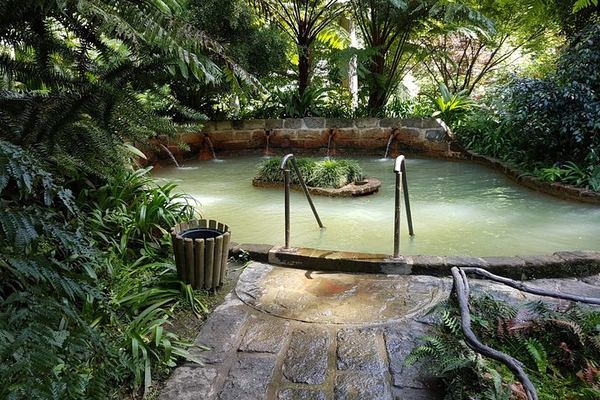
Furnas in a Day: Cozido from a Metre Down, and Pico do Ferro
Lunch is the cozido itself, lifted out of holes a metre deep by the lake, with the 1764 chapel above Vila Franca, Pico do Ferro and a tea factory after.
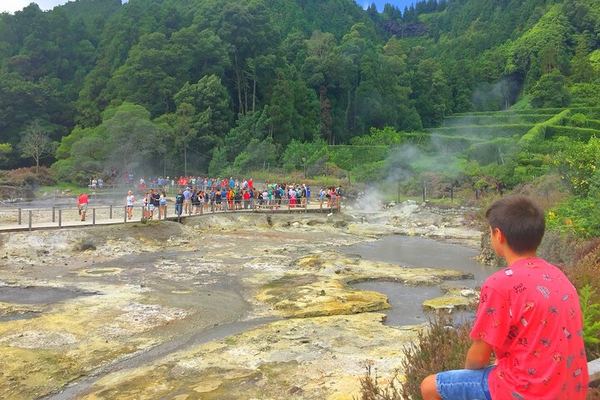
Furnas Shore Excursion, with the Cooking Pits and the Tea Plantation
The cozido lifted out of the ground, the boilers and fumaroles of the Furnas valley, and a tea plantation. Terra Nostra is optional and not included.
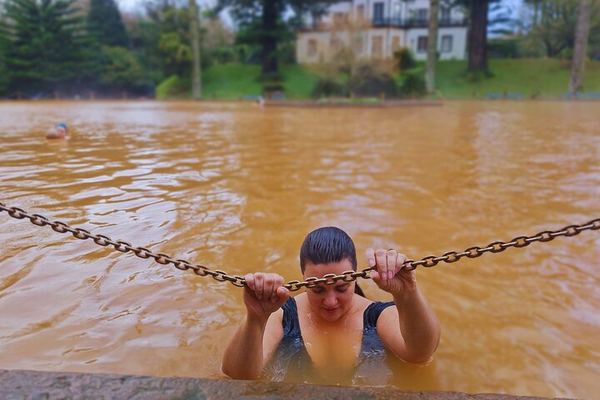
Furnas with Eight People: Stew Cooked in the Ground for Seven Hours
Eight people at most, and the cozido buried in volcanic ground for six to seven hours comes in a vegan version cooked the same way underground.
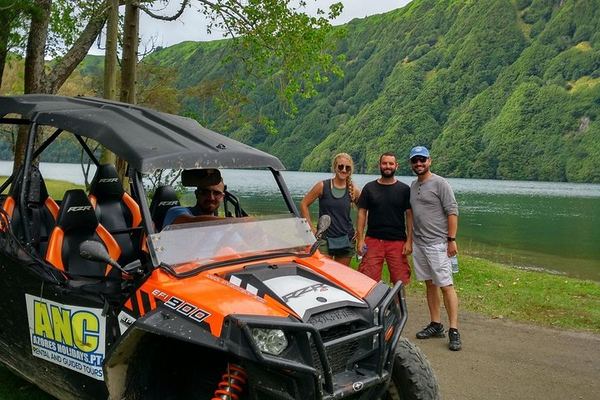
Half-Day Shared Buggy to Sete Cidades and Pico do Carvão
A shared buggy on the tracks above the Sete Cidades crater, by way of Pico do Carvão and Vista do Rei. A licence valid in Portugal is needed to drive.
Ratings collected by Viator and Tripadvisor
Nine islands, and three of them have a market
Five of the nine islands appear on no international booking platform in any quantity. Santa Maria, Graciosa, São Jorge, Flores and Corvo have volcanoes, walking trails and, in the case of Flores, crater lakes as good as anything on São Miguel. They are not empty. They are unlisted, which is a different thing and worth knowing before you write an island off. The three below are where the volume is, and the table is the fastest way to work out which one you want.
| São Miguel | Pico & Faial | Terceira | |
|---|---|---|---|
| Listings here | 35 | 12 | 4 |
| What you go for | Two crater-lake complexes and a geothermal valley | Portugal's highest climb, plus a 1957 eruption site | A volcanic chimney you descend into |
| Highest ground you stand on | 947 m, Pico da Barrosa | 2,351 m, Mount Pico | 640 m, Guilherme Moniz crater |
| Last eruption | 1630, Furnas | 1957–58 on Faial; 1720 on Pico | 1761 on land, 1998–2001 offshore |
| Usual price | 46 to 132 EUR | 66 to 125 EUR | 45 to 110 EUR |
| You base yourself in | Ponta Delgada | Horta or Madalena | Angra do Heroísmo |
| Worth its own flight | Yes, and most visitors do only this one | Yes, and give it three days | Only if you are already in the central group |
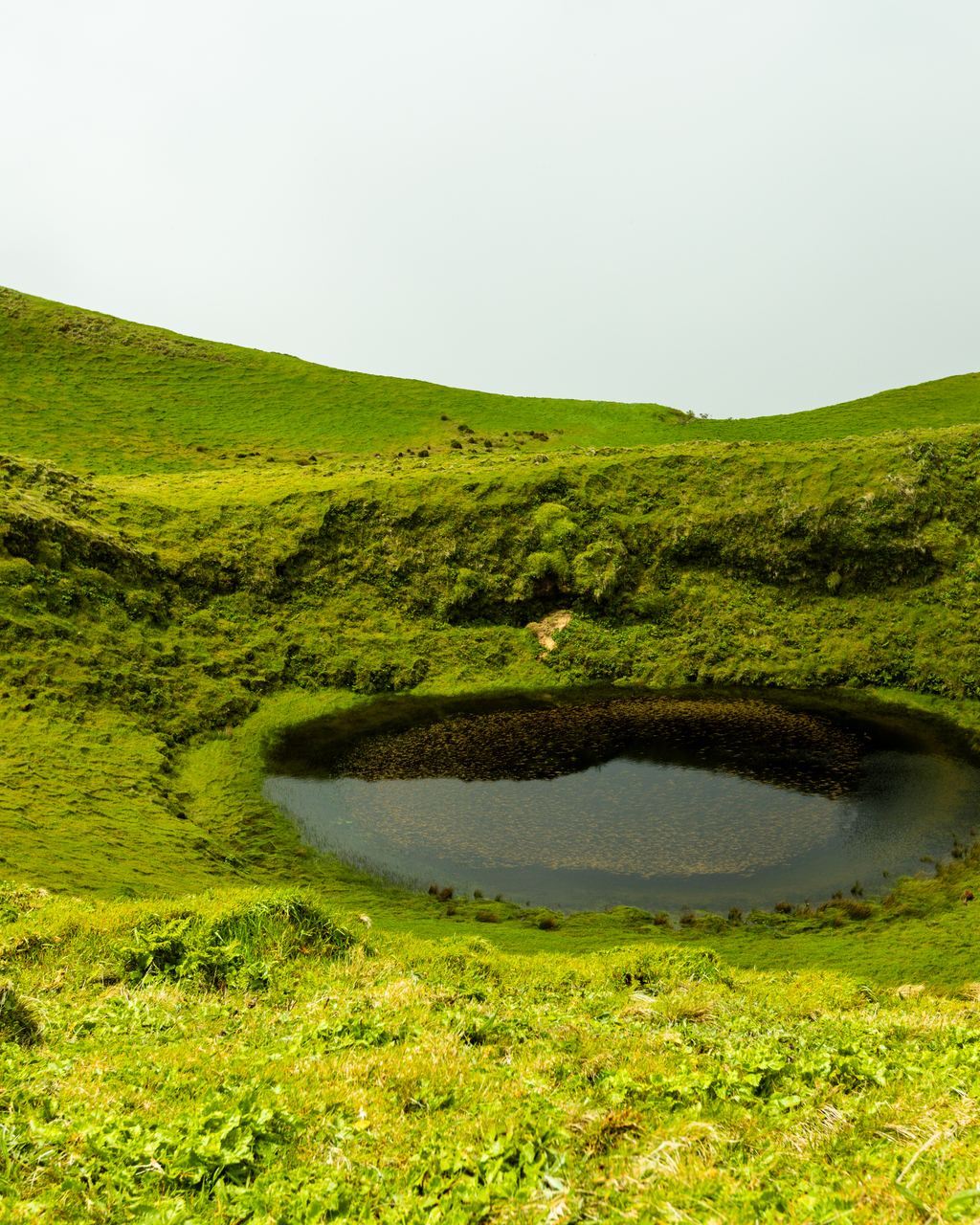
The islands that sell nothing are not the islands with nothing
São Jorge is a fifty-kilometre ridge of basalt with sea cliffs on both sides and fajãs at the bottom of them, flat shelves of land made by old landslides and lava deltas, most of which you reach on foot. Flores has Caldeira Funda and Caldeira Rasa, two crater lakes in a row, and a wall of waterfalls at Poço da Alagoinha that people cross the archipelago to photograph. Neither island appears in this catalogue.
The reason is commercial rather than geological. The supplier catalogues that feed sites like this one are indexed by port of call, not by island, so an island whose harbour takes no cruise ships tends not to exist in the search index at all. There are guides on São Jorge and on Flores. They are registered with the regional tourism board and they take bookings by telephone and email. You will find them once you are in the Azores. You will not find them from a search box beforehand.
Moving between the islands
There are two ways and they behave very differently.
Flights are the default. SATA Air Açores runs the inter-island network with turboprops, and a hop between two islands is half an hour in the air. The catch is that the same Atlantic weather that keeps these islands green also fills the valleys with cloud, and a diverted or cancelled inter-island flight is an ordinary event rather than a scandal. If your international flight home leaves the day after your last island hop, you have built yourself a trap.
Ferries are the other way, and they split into two behaviours. The crossing between Horta on Faial and Madalena on Pico runs all year and takes about half an hour, which is why the two islands are treated as one destination here, and why a Faial operator writes into its own listing that the day finishes at 16:30 so that guests can get the boat back to Pico. The routes that link different island groups run in summer only. From roughly November to April, if you want to get from São Miguel to Pico, you fly.

What the volcanoes are actually doing
Nothing on land has erupted here since 24 October 1958, when the Capelinhos eruption on Faial finally stopped after thirteen months. It had begun offshore on 27 September 1957, built a cone out of the sea, welded it to the island and left Faial 2.4 square kilometres larger than it was before. It also emptied the west of the island: the ash killed the farmland.
Since then the movement has been underwater. A submarine eruption off Serreta, at the western tip of Terceira, ran from 1998 into 2001 and produced floating lava balloons rather than anything you could look at from a viewpoint. On land the archipelago is in the state most volcanic islands spend most of their time in — hot ground, gas, springs, and nothing coming out.
This changes how you read a product description. No tour in the Azores can show you molten rock, and none of the honest ones pretend otherwise. What they can show you is a caldera you drive into, a fumarole field you stand in, water at 39 °C arriving out of the ground, and a mountain last active in 1720 that still looks the part.
Flores and Corvo sit west of the Mid-Atlantic Ridge, on the North American plate. The other seven islands are on the far side of it. The Azores are one archipelago administratively and two plates geologically.
What it costs, and what moves the price
The 51 listings run from 28 to 389 EUR and the distribution is lopsided. Most of them sit between 65 and 95 EUR, which is what a full day with a guide, a vehicle and lunch costs in the Azores whichever island you are on. Below that band you are buying a half day or a seat on a bus. Above it you are buying the vehicle to yourself.
Exclusivity, not content, is what reliably moves the number. A shared jeep to Sete Cidades and Lagoa do Fogo with lunch is 90 EUR; the same day privately runs 285 to 389. The guide, the road and the viewpoints are the same ones.
| Type of day | Where | Price | How long |
|---|---|---|---|
| Hop-on hop-off bus | São Miguel | 28 EUR | All day |
| Half day by jeep, quad or buggy | Sete Cidades | 46 to 80 EUR | 3 to 4 hours |
| Full day, small group, lunch included | São Miguel | 80 to 98 EUR | 8 hours |
| Cozido lunch and the thermal pools | Furnas | 65 to 90 EUR | 6 to 8 hours |
| Guided climb of Mount Pico | Pico | 75 to 95 EUR | 7 to 10 hours |
| Island day with a local guide | Faial | 69 to 125 EUR | 4 to 7 hours |
| The caves and the fumarole field | Terceira | 45 to 50 EUR | 3 to 4 hours |
| Private car and guide | São Miguel or Pico | 180 to 389 EUR | 7 to 9 hours |

If you only have one island, it is São Miguel
Two thirds of the Azorean market is on one island, and that is not an accident of catalogue coverage. São Miguel has the airport with the most connections, the only city of any size, and three separate volcanic systems within ninety minutes of each other by road. You can land at Ponta Delgada in the morning and be looking into the Sete Cidades caldera by lunchtime.
The trade is that São Miguel is also the crowded one. Vista do Rei, the viewpoint above the twin lakes, takes coach parties and ships' groups from mid-morning onward, and several operators sell a dedicated cruise-passenger version of the same tour, timed to the ship — you can pick them out in the listings because they say so in the title. If you are not on a ship, the fix is ordinary. Go early, or go to the north rim instead of the south one.
When to go
The Azores have an oceanic climate and no dry season. It rains in July. The useful way to think about the calendar here is not rain against no rain but cloud height: from June to September the cloud base tends to sit above the crater rims, and from November to March it tends to sit below them. Three hundred metres of difference decides whether Sete Cidades is two lakes or a grey wall.
Sea temperature runs from about 16 °C in February and March to 23 °C in August and September, which is why the swimming, snorkelling and coasteering products cluster into summer. The migratory baleen whales pass through in spring, mostly April and May; sperm whales are resident and can be seen in any month the boats go out.
| Month | 1 | 2 | 3 | 4 | 5 | 6 | 7 | 8 | 9 | 10 | 11 | 12 |
|---|---|---|---|---|---|---|---|---|---|---|---|---|
| São MiguelRoads reach everything all year; June to September is when the cloud sits above the crater rims | 1 | 2 | 3 | 4 | 5 | 6 | 7 | 8 | 9 | 10 | 11 | 12 |
| Pico & FaialThe Pico climb needs a settled forecast; guided departures thin out from November | 1 | 2 | 3 | 4 | 5 | 6 | 7 | 8 | 9 | 10 | 11 | 12 |
| TerceiraThe caves work in bad weather, which is why this island holds up in a wet week | 1 | 2 | 3 | 4 | 5 | 6 | 7 | 8 | 9 | 10 | 11 | 12 |
Months shown as numbers. Based on operator departure calendars on this site and published Azores climate normals, checked August 2026.
One eruption in the Azores changed American immigration law. Capelinhos buried the farmland of western Faial under ash for thirteen months, and on 2 September 1958 the United States passed a statute to admit 1,500 of the people who could no longer live there.
The things that are not in the listing
Four Azorean specifics that cost people money or an afternoon, none of which appear in the price you are comparing.
Entrance fees are usually separate. On Terceira one operator states in its own text that the caves cost between 8 and 15 EUR per person on top of the tour; another excludes the Gruta do Natal ticket by name. On São Miguel the Terra Nostra garden and the Poça da Dona Beija pools are excluded by most of the Furnas products, and one operator says it has reserved your ticket without paying for it. Budget 20 to 30 EUR per person per day beyond what you booked.
The Dona Beija tickets are sold online only. Last entry is 21:30 and everyone is out of the water by 22:30. The evening Furnas tours are built around those two times, which is why they all finish at roughly the same hour.
The channel ferry is not a tour boat. Horta to Madalena is public transport. It runs all year, it is how a Pico-based visitor does Faial and gets back the same evening, and nobody books it for you.
Take a dark swimsuit to Furnas. The thermal water there carries iron. One operator's own written advice is to bring a dark swimming costume "due the iron origin of the thermal waters or alternatively an old one", and the staining does not wash out afterwards.
Questions people actually ask
Which Azorean island is best for volcanoes?
São Miguel, unless you want to climb. It has the Sete Cidades caldera, Lagoa do Fogo and the geothermal valley of Furnas within ninety minutes of one another, and it carries 35 of the 51 listings here. If the point of the trip is the mountain, go to Pico instead and give it three days, because you will lose one to weather. Terceira is the wet-week island: its main sites are underground and they do not care what the sky is doing.
Can you see lava in the Azores?
No. The last eruption on land ended on 24 October 1958 at Capelinhos on Faial, and the last activity anywhere in the archipelago was a submarine eruption off Terceira that finished in 2001. What is on offer is geothermal rather than eruptive: fumarole fields, springs at 39 °C, ground hot enough to cook in, and calderas you can walk into. Any listing that implies molten rock is describing somewhere else.
Do I have to fly between the islands?
Between island groups, yes, outside summer. SATA Air Açores connects them year round with turboprops and the hops take about half an hour. Ferries link the groups only in the summer season. The exception is the Faial–Pico channel, which is seven kilometres wide and served all year, several times a day, which is why those two islands work as a single destination.
How much does an Azores volcano tour cost?
Between 45 and 95 EUR for almost everything worth doing. A half day by jeep or quad at Sete Cidades is 46 to 80, a full day with a guide and lunch is 80 to 98, the Furnas day with the cozido and the hot springs is 65 to 90, the guided climb of Pico is 75 to 95, and the Terceira caves are 45 to 50. The cheapest thing on the list is the São Miguel hop-on hop-off bus at 28. Above 180 you are paying for a private vehicle rather than a different day.
Why is Madeira not on this site?
Madeira is volcanic, but it is a different kind of volcanic and it stopped a long time ago. The island sits on a hot spot in the middle of the African plate rather than on a plate boundary, and its most recent eruptions were around 6,500 years ago. It has lava tubes and natural sea pools, and it is a fine place to go. It is not part of the same story as the Azores, where the ground is still hot and the last eruption is inside living memory.
When is the best time of year?
June to September, and the reason is cloud rather than rain. It rains here in every month; what changes is whether the cloud base sits above the crater rims or below them. Spring is the compromise: April and May are quieter and cheaper, the hydrangeas are not out yet, and the migratory whales are passing. November to March is when you should have a plan B, and on Terceira the plan B is underground.
Do I need a hire car, or is a tour enough?
On São Miguel a car works and the roads are good, but the guided full days at 80 to 98 EUR include lunch and a driver who knows which rim is clear that morning, which is worth more here than it sounds. On Pico a car is close to essential for anything other than the climb itself. On Terceira, take the tour: the caves are not self-guided, the entrance fees are separate either way, and the operators handle the ticketing.
Data verified on. Prices and counts read from the Portuguese products on this site. Eruption dates and plate geology from published Azores volcanology; last on-land eruption Capelinhos, October 1958.