

Volcano Tours from Antigua Guatemala
Three cones on the skyline, two of them walkable, and 19 departures a day from a town of forty thousand people at 1,545 metres.
Antigua Guatemala is a grid of cobbled streets at 1,545 metres with three volcanoes standing over it, and it is the reason this country is easy to visit. The Agua closes the view to the south. The Acatenango and the Fuego sit together to the west, close enough that on a clear afternoon you can watch the second one throw ash from a roof terrace with a drink in your hand. Every volcano departure on this site leaves from inside this town or from a village forty minutes outside it, and the tour offices are mostly on four streets around the cathedral.
The two things people come here to do are separated below, and they should be, because almost nothing about them is shared. One is a morning. The other is the hardest thing most visitors to Guatemala will ever agree to do voluntarily. What follows is the part that sits above both: how the departures work, what the difference actually costs you in effort, and which of the two you should book if you are only doing one.
Choose a destination in Antigua Volcanoes
-
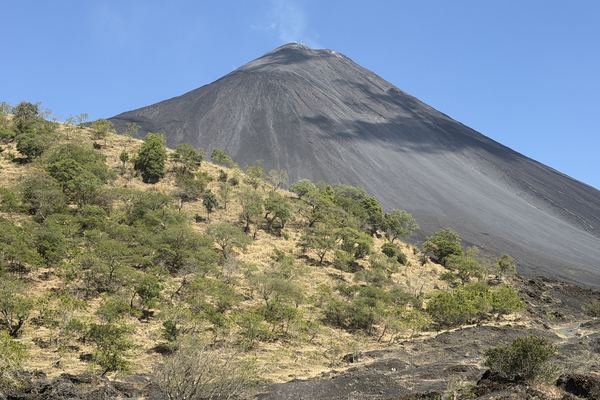
Pacaya Volcano
The Pacaya day hike from Antigua: 5 km round trip to a viewpoint at about 2,297 m, warm rock and steaming vents.
12 experiences -
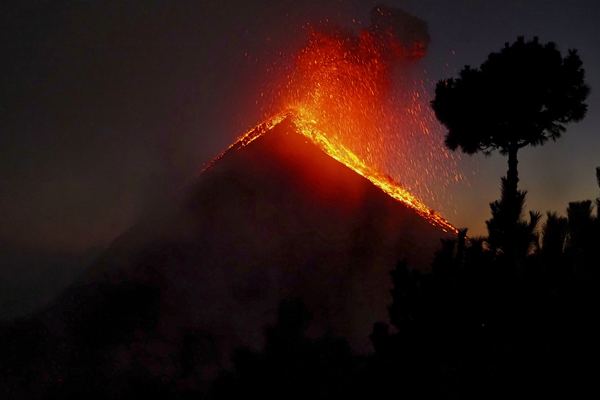
Acatenango Volcano Hike
The overnight Acatenango trek from Antigua: 1,576 m of ascent to a camp near 3,750 m, a 3,976 m summit at dawn, and the Fuego erupting across the saddle.
6 experiences

Volcano Travel Experiences in Antigua Volcanoes
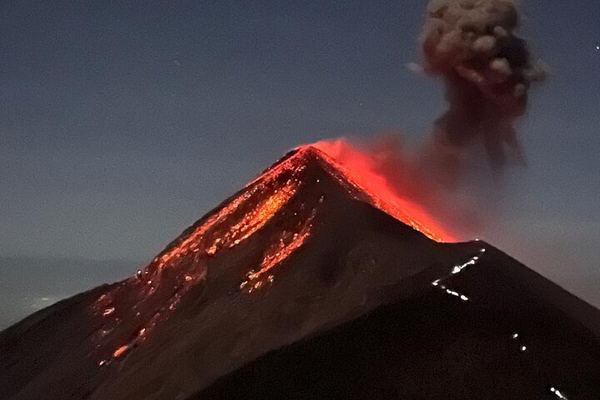
Acatenango by the Private Miratenango Route: 80 Minutes Shorter, Camp Ixcanul
The private path from Miratenango saves an hour and twenty minutes on the climb, and camp Ixcanul faces Fuego, with the bonfire at 6:30 and dinner at 7:30.
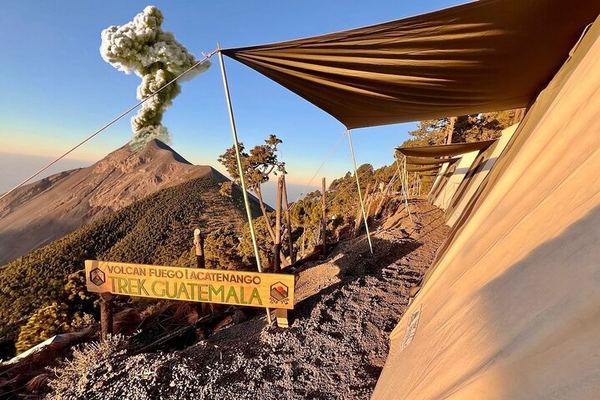
Acatenango Glamping: Safari Tents at 3,750 m, Four Ecosystems on the Way Up
Cots and mattresses in safari tents at camp, four ecosystems crossed on the way up, and a summit hour with the highlands running as far as Mexico.
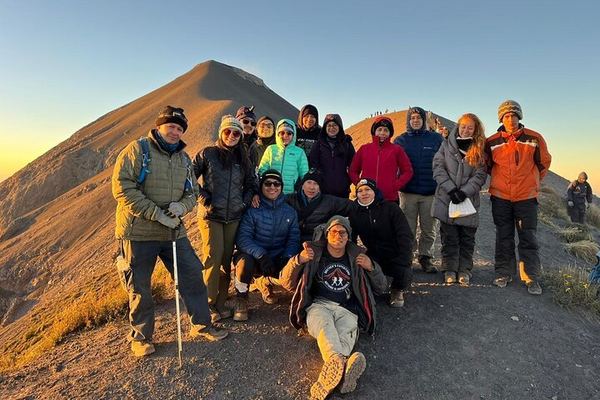
Acatenango Overnight with Brothers Expeditions: Camping on the Slope
The camp is pitched on the slope for a night under the stars, and the booking is final: this operator does not refund cancellations at any notice.
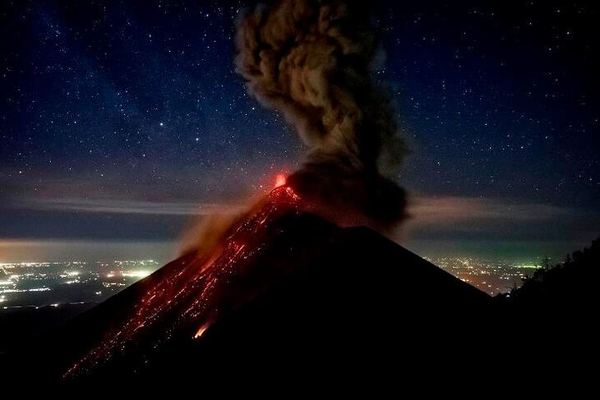
Acatenango Overnight with OX: Pre-Trip Briefing the Day Before, Summit at Dawn
The briefing is at 5PM the day before, breakfast is included at the start, and camp is reached by 2PM with the active Fuego cone in front of it.
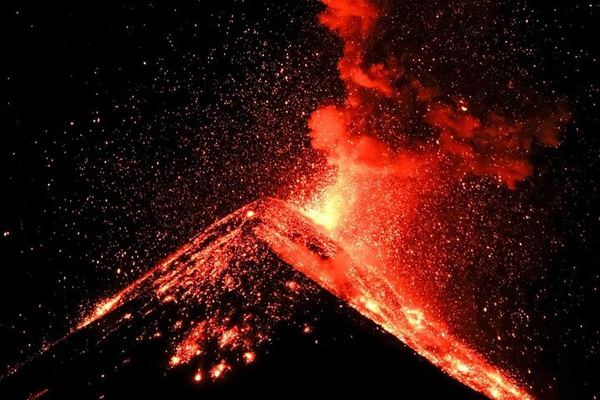
Acatenango with CA Travelers: Cabins for Four, -6°C Bags, Guides from San José Calderas
Cabins sleep four with -6 °C bags and a 12 cm mattress, and the guides are a cooperative from San José Calderas. Sales are final, with no refunds.
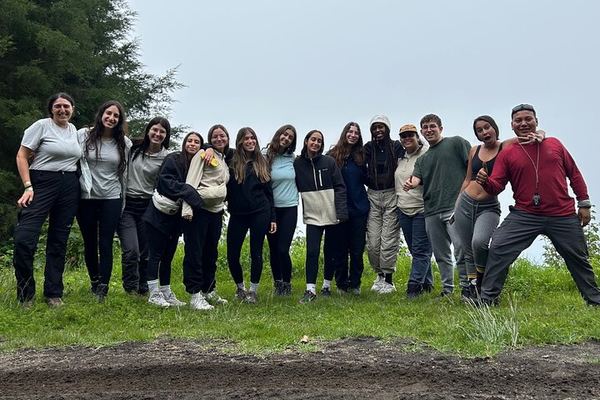
Acatenango with Pachamama: the Short Route, Glass-Fronted Cabins, Fuego at 200 Metres
The shorter path skips the hardest section, the cabins have glass doors facing the volcano, and the summit only happens if half the group wants it.
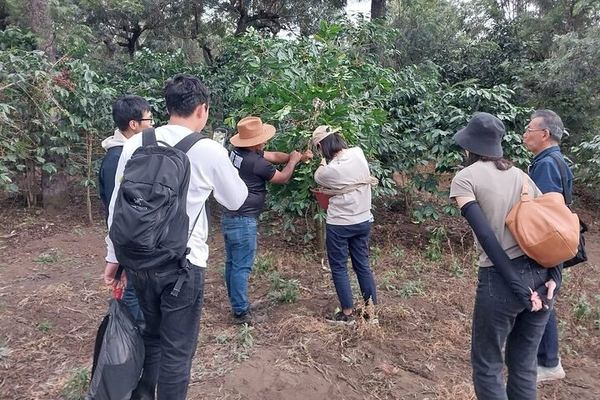
Coffee with the Grower Below the Agua Volcano, in an Open Car
The visit is with the farmer rather than at a visitor centre, on the ground below Agua, and the drive out of Antigua is done in an open car with a tasting.
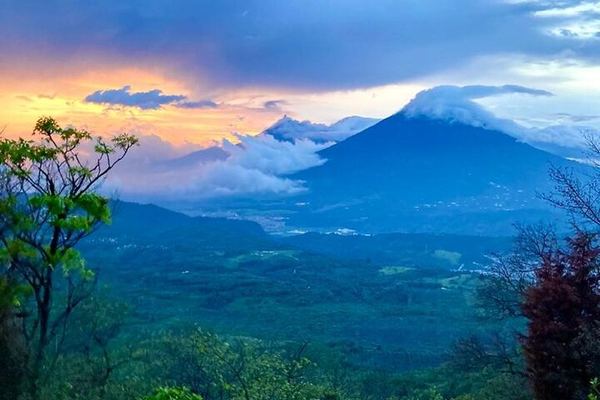
Pacaya at Sunset on Horseback: a Lava Chef, Dinner with Wine and S'mores
Three guides, one of them a cowboy with the horse, and a chef cooking at the base of the cone: dinner with wine at sunset and s'mores toasted on the lava.
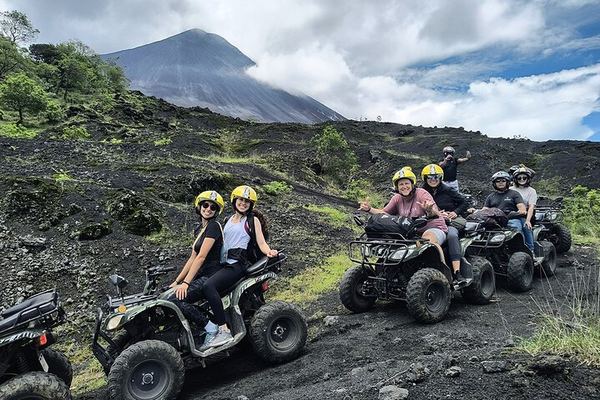
Pacaya by ATV: Private Plantation Lava Fields, Not the National Park
The quads ride the trails and a private plantation around the volcano rather than entering the national park, with snacks and entrance fees included.
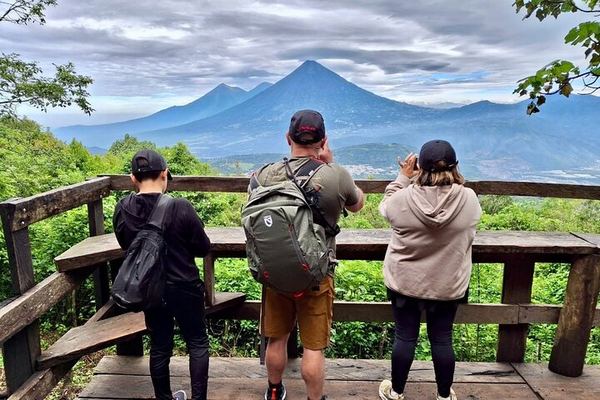
Pacaya by Private Van: 7am to 2:30pm, with a Cold Drink at the Bottom
The van is yours alone, with a cooler on board, and the timings run from a 7:00 pick-up to a 14:30 return, with a drink included at the bottom.
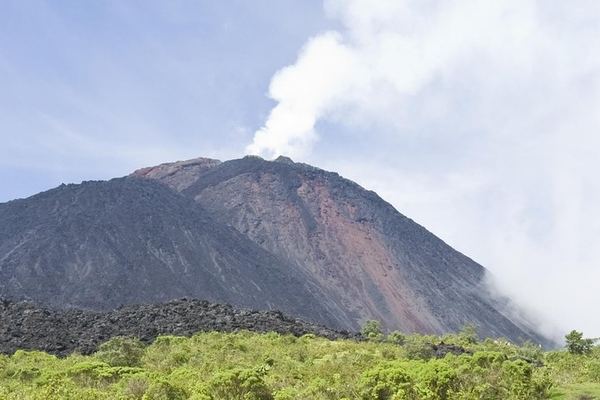
Pacaya Day Trip from Guatemala City, Crater Viewed Not Entered
The main crater is looked at from a plateau rather than entered, and the Calderas lagoon viewpoint has Agua, Fuego and Acatenango all in the same view.
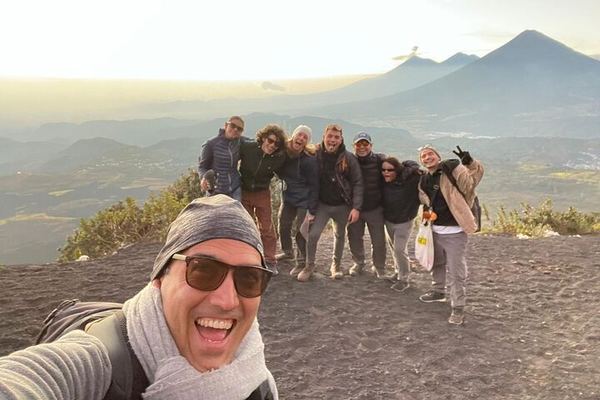
Pacaya from Antigua at 6am or 2pm: 1.5 Hours Up, Marshmallows on the Lava
Pick-up runs at 6:00 or 14:00 and is attempted once only, the park fee is paid separately, and the climb takes about an hour and a half to the petrified lava.
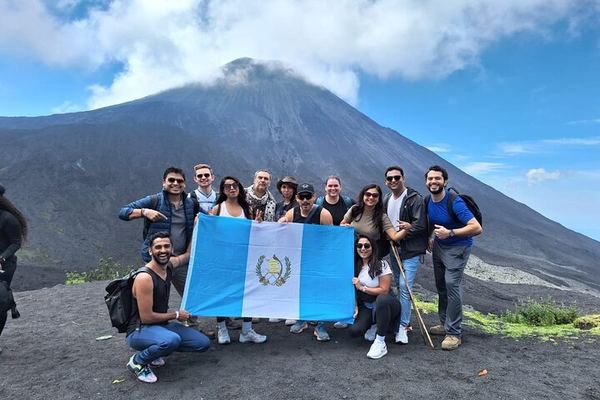
Pacaya from Antigua: the Plateau, the Steam Vents and Three Volcanoes in View
The crater is seen from the plateau rather than the rim, but the heat is close enough to roast marshmallows, with Agua, Fuego and Acatenango in view.
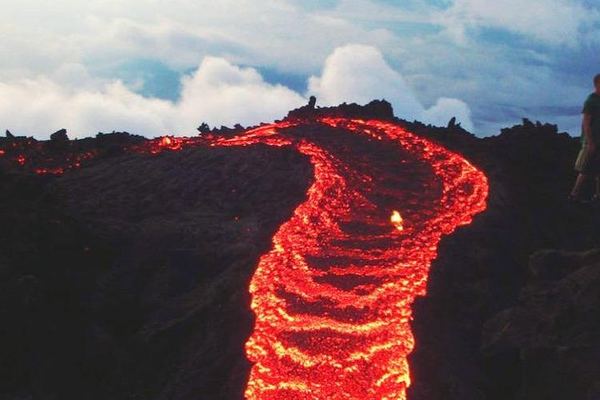
Pacaya from Guatemala City, Through Forest, Farmland and Lava
The trail runs 3.7 km through forest, farmland and lava, and the fumaroles at the top may be throwing ash or rock while you watch them from a distance.
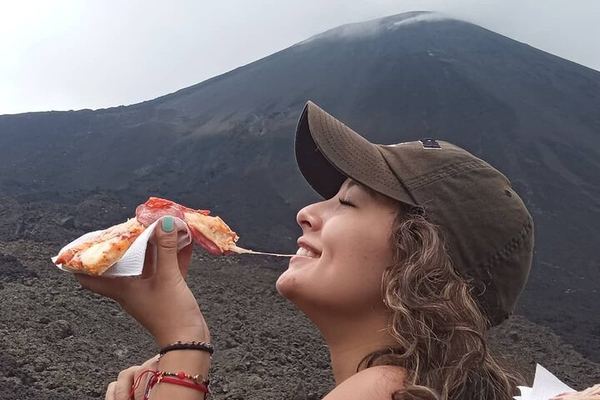
Pacaya Hike from Guatemala City with Pizza Baked Under Volcanic Rock
The chef bakes the pizza under volcanic rock when the mountain is hot enough for it, and over charcoal when it is not. The climb up takes 35 to 90 minutes.
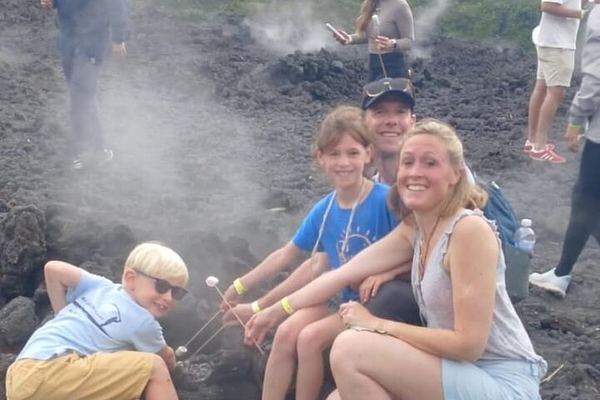
Pacaya, One of National Geographic's Ten Most Adventurous, from Antigua
National Geographic put this walk among the ten most adventurous in the world, and the view from the top reaches the Pacific coast and the capital's valley.
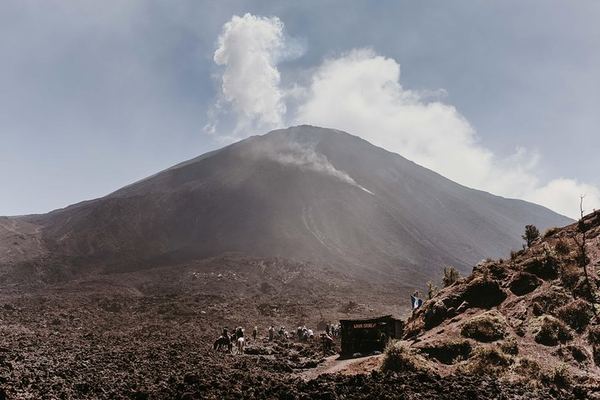
Pacaya Shared Hike from Guatemala City, Entrance Fee Apart
An hour and a half to San Vicente Pacaya, the same again to the top, an hour to come back down. The basic option leaves the volcano entrance fee to you.
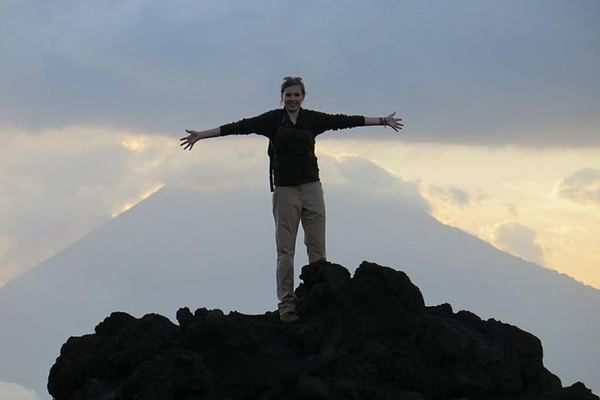
Pacaya to la Meseta with Old Town Outfitters: 8am to 4pm, Picnic on the Lava
The meet is at the outfitters' shop at 08:00, the climb takes ninety minutes to the shelf below the cone, and the picnic is eaten out on the lava field.
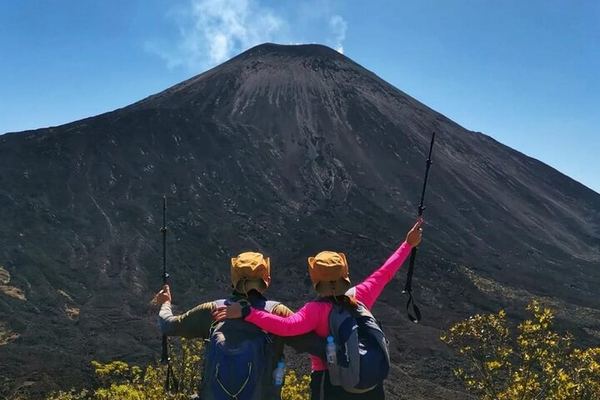
Pacaya via the Calderas Lagoon: 2.5 Hours Up, No Crater Access
The crater is off limits for safety, so the walk ends on the plateau, where the running lava and the steam vents are, past the lagoon of Calderas.
Ratings collected by Viator and Tripadvisor
The three cones you can see from the roof terraces
The Agua, 3,760 metres, is the perfect cone to the south, the one in every photograph of the Santa Catalina arch. It is also extinct, last active in the Pleistocene, and nothing on this site goes up it. What is sold on its lower slopes is coffee, which is the honest use of a dead volcano with excellent soil.
The other two are one mountain with two summits, and the arrangement is what makes Antigua work as a base. The Acatenango, 3,976 metres, is climbable and is where you sleep. The Fuego, 3,763 metres, is climbable by nobody: INGUAT stated on 4 August 2026 that the ban on entering it was being maintained, and confirmed on 10 August that access through the park remains prohibited with only observation points authorised. It is the thing you have come to look at. From the town they read as a single ridge to the west. From the camp on the Acatenango they are separated by a saddle and about a kilometre and a half of air.
| Pacaya | Acatenango | |
|---|---|---|
| What you buy | A day out | Two days and a night at altitude |
| Listings here | 12 | 6 |
| Highest point you reach | A viewpoint near 2,297 m; the crater above it is 2,552 m | The summit, 3,976 m |
| Where you sleep | Your bed in Antigua | A camp at 3,750 to 3,756 m |
| Time on foot | About 3 hours in total | 4.5 to 6 hours up, 2.5 to 3 down, plus the summit push |
| Operators say you need | Moderate fitness | High fitness |
| Price range | 21 to 295 EUR | 78 to 334 EUR |
| Park fee | Q100, usually cash, usually extra | Q100 or about USD 14, sometimes included |
| The point of it | Walking on cooled lava, hot ground, the view of three other volcanoes | Watching the Fuego erupt after dark, and a sunrise at 3,976 m |

Why every departure here looks the same
Almost all of it runs on the same pattern, because the same small pool of licensed guides and minibuses serves the whole town. Pacaya groups leave at six in the morning or at two in the afternoon; Acatenango groups leave between half past seven and half past nine and are on the mountain by mid morning. Pickups are from your hotel or from the operator's own office, and several state plainly that they will attempt the pickup once and then go.
The one departure that behaves differently is worth knowing about. Several Acatenango operators hold a compulsory briefing the afternoon before, at three or five o'clock, where they hand out rented gear and check what you are planning to wear. If you arrive in Antigua on the same day as your trek, you will miss it. Book the trek for your second full day in town, not your first, and you also get the altitude benefit of a night at 1,545 metres before sleeping at nearly 3,750.
One day or one night, and the gap between them
The most reliable way to choose is to read what the operators themselves are obliged to declare. Every Pacaya listing here says travellers need a moderate level of physical fitness. Every Acatenango listing says high. That distinction is not marketing language, it is the field the operator fills in on the booking system, and across eighteen products it does not vary once.
What it means in practice: the Pacaya is roughly ninety minutes of steady uphill on a wide track, at a height where nobody feels the altitude, with a bus waiting at the bottom. The Acatenango is four and a half to six hours of climbing with a pack, ending at a camp where the temperature drops close to freezing after dark, followed by a four in the morning start for the last four hundred metres of ascent. People turn back on the Acatenango. Very few turn back on the Pacaya.
There is a third answer that nobody sells you and it is often the right one: do both, in that order, with a rest day in between. The Pacaya on your first full day is a genuine test of whether you enjoy walking uphill on loose volcanic gravel, and you find out for twenty-one euros rather than for a hundred and a night of your holiday.

What is not in the price you compared
Four things get added after booking on this mountain range, and all four are in the operators' own text if you read to the bottom of it.
The park fee, in cash. Both volcanoes charge 100 quetzales, about fourteen or fifteen US dollars. On the Pacaya it is usually excluded and collected at the gate, and one operator states that cash is the only accepted form. On the Acatenango some outfits pay it for you at two separate booths on the way up and some do not.
The walk towards the Fuego. Sold as an afternoon extra from the Acatenango camp, at 200 to 300 quetzales per person, up to 700 for a solo traveller, and around 40 US dollars where an operator prices it in dollars. It is worth knowing what it is: about two kilometres along the connecting ridge to an authorised observation point, not a climb of the Fuego, which is prohibited. It is a separate line item on every listing that offers it.
The language of your guide. One Pacaya operator states that its certified local guide is 70 per cent English and full Spanish. One Acatenango operator states that its guides speak basic English and that a bilingual guide costs extra. This is disclosed, and almost nobody reads it.
The small rentals. A wooden walking stick is 10 quetzales at the Pacaya trailhead, about a euro and a half, and it is worth it on the descent. A horse for the ascent is around 300 quetzales.
The other thing these volcanoes make
One listing in this category is not a mountain at all. A three hour trip out to a smallholding on the slopes of the Agua, 45 EUR, in an open vehicle, with the coffee farmer rather than a visitor centre, and a tasting at the end. Antigua is one of the recognised growing regions of Guatemala and the reason is directly underfoot: the volcanic soil, the altitude and the shade of the same cones that fill the skyline.
It is also the sensible option for the day after the Acatenango, when the idea of another mountain is unbearable and you still want to leave the town. Three hours, no ascent, and it explains the landscape you have just walked through from the other end.
Questions people ask before booking
Which volcano can you actually see erupting from Antigua?
The Fuego, on a clear day, from any high point in the town and from the roof terraces of most hotels. What you see from Antigua is the ash, in daylight, at a distance of about sixteen kilometres. What you cannot see from town is the glow, which needs darkness and a much closer position, and that is the whole reason the overnight trek on the Acatenango exists.
Do I need to be fit to do a volcano tour from Antigua?
For the Pacaya, moderately: about ninety minutes of uphill on a wide track to a viewpoint near 2,297 metres, 255 below the crater itself, and children and older travellers do it regularly. For the Acatenango, genuinely yes, and all six operators say so in writing. It is four and a half to six hours of ascent carrying your own gear, a night near 3,750 metres, and a pre-dawn summit push. If you are unsure, the Pacaya first is not a compromise, it is a sensible test.
How far in advance should I book?
The Acatenango is the one that sells out, particularly in the dry months and at weekends, and several operators here run cancellation policies with no refund at all. The Pacaya can generally be booked a day ahead in town. If you want a specific Acatenango camp, book it before you arrive and pick a date that leaves you a full day in Antigua first, for the compulsory afternoon briefing.
Can I climb the Agua volcano from Antigua?
Nothing on this site offers it. The Agua is 3,760 metres, extinct, and the walk from Santa Maria de Jesus on its northern slopes is a long day with a summit that is mostly antenna masts. The commercial market around Antigua has settled on the two western volcanoes and on the coffee farms lower down the Agua, and that is what we list.
What is the difference between the tours from Antigua and from Guatemala City?
About an hour each way, and nothing else. Four Pacaya day trips leave from the capital because that is where some visitors sleep on their first or last night. Every Acatenango trek leaves from Antigua, without exception. If you have a choice, sleep in Antigua: it is closer to both mountains, and it is where the operators keep their gear and their offices.
Is it worth doing both volcanoes?
Yes, if you have four days here, and in the order Pacaya then rest then Acatenango. They are not the same experience with different price tags. The Pacaya is about the ground: cooled flows, warm rock, steam coming out of cracks. The Acatenango is about looking at something else, all night, from a cold ridge. Doing the small one first also gives you an honest preview of the terrain, which is loose volcanic gravel on both.
Data verified on. Fitness wording, park fees, extras and departure times quoted from the 19 products listed here. Volcano heights from the USGS record; Antigua elevation from the municipal figure.