
Volcano Travel · Tour
Fuji ou Hakone en voiture privée : un choix d'étapes, tu choisis
Ce n'est pas un itinéraire fixe. C'est une voiture, un guide agréé et un chauffeur pour la journée, ainsi qu'une liste de lieux parmi lesquels choisir. Il y a deux listes : une axée sur le mont Fuji et le lac Kawaguchiko, l'autre sur le mont Fuji et Hakone. Le point de départ habituel est le sanctuaire Arakura Fuji Sengen, où la pagode Chureito à cinq étages se dresse devant la montagne, et qui est la photo que la plupart des gens ont déjà vue avant d'arriver. À partir de là, la journée peut inclure les reflets sur le lac Kawaguchiko, un village de maisons aux toits de paille où des artisans travaillent, ou Aokigahara, la mer d'arbres, où se trouvent les grottes de lave. Certains choix sont soumis à des conditions qu'il est utile de connaître avant de les choisir. La 5ème station, à 2 300 mètres et le point le plus élevé accessible en voiture, nécessite un péage de 2 100 yens à payer sur place, prend environ deux heures, et est fermée de juillet à mi-septembre pour la saison d'ascension, et à nouveau en hiver. La brasserie de saké Ide, la seule à Kawaguchiko qui utilise l'eau de fonte de la montagne, ouvre ses portes pour des dégustations à partir de 15h, moyennant 1 500 yens, et nécessite une réservation. Le parc aux fruits et la ferme de fraises nécessitent également des réservations. Les chutes de Shiraito se trouvent à deux heures de trajet aller-retour depuis le lac Kawaguchiko. Le guide et le chauffeur te diront ce qui vaut la peine d'être vu en fonction de la saison où tu voyages, ce qui est en grande partie ce pour quoi tu paies en prenant une voiture au lieu d'une place dans un bus.
What's included
- Round-trip private transportation by air-conditioned minivan
- One bottled water per person
- Private guide (English, French, Spanish, Chinese, Korean professional guides are available)
- Hotel pickup/drop-off
Itinéraire
Impossible de charger la carte. Réessayez dans un instant.
Mount Fuji
The highest peak in Japan and its best known image. A World Cultural Heritage site since 2013.
Arakura Fuji Sengen Shrine
Sengen Shrine, which enshrines the goddess of fire, the symbol of Mt. Fuji, and where the famous view of the mountain with the five-storey pagoda is taken from. 30 to 60 minutes.
Chureito Pagoda
The panoramic shot of Mt. Fuji with the Chureito Pagoda, the five-storey one, at Arakura Sengen Shrine.
Fujisan World Heritage Center(Mt.Fuji World Heritage Center)
A video that explains Mt. Fuji visually, along with the rituals of the region. 20 to 60 minutes.
Lake Kawaguchiko
The most visited of the five lakes around Mt. Fuji. Photo stops are possible from several points, depending on the season.
Kitaguchi Hongu Fuji Sengen Jinja Shrine
The main shrine of the northern side of Mt. Fuji, and the most visited, protecting the region. It is also the first step of the ascent of the mountain, and part of the Fujisan Cultural Site World Heritage listing. 20 to 60 minutes.
Fuji Oishi Hana Terrace
Regional crafts and souvenirs, and some of the best ice cream and sorbet in the area, made with local fruit, in a place built for sitting still. 20 to 90 minutes.
Oishi Park
More than 90 different flowers across the four seasons, and lavender above all, which is what the park is known for. 20 to 90 minutes.
Mt. Fuji 5th Station
2,300 metres up Mt. Fuji, the highest point a car can reach. The 5th Station carries a toll of 2,100 yen, paid on the spot. Allow about two hours. Access is closed from July to mid-September, during the climbing season, and again in winter.
Saiko Iyashi no Sato Nemba
Old Japanese houses with straw roofs, with Mt. Fuji behind them, where local crafts are made and the artists are there to meet. Kimono and samurai armour can be hired if booked in advance. 30 to 90 minutes.
Costo extra
Saiko Lake
One of the five lakes of Mt. Fuji, known as the Maiden Lake. A photo stop is possible here.
Kawaguchiko Music Forest Museum
A European-style park with a collection of automatic musical instruments, some more than a hundred years old, and seasonal flowers around them. 30 to 120 minutes.
Costo extra
Oshino Hakkai
Eight ponds fed by snowmelt off Mt. Fuji, part of the Fujisan Cultural Site World Heritage listing, with Japanese street food and shops around them. 20 to 60 minutes.
Oshino Shinobi no Sato
A ninja show, and a ninja village with costumes to hire in all sizes. 30 to 90 minutes.
Costo extra
Ide Sake Brewery
The only sake brewery in Lake Kawaguchiko city using snowmelt from Mt. Fuji. Tastings and a brewery visit run daily from 3 pm at 1,500 yen, by reservation. 20 minutes for the tasting alone, 90 for the guided visit.
Costo extra
Lake Yamanaka
The largest of the five lakes of Mt. Fuji. A photo stop is possible here.
Aokigahara Forest
The sea of trees, which can be walked into. 30 minutes.
Narusawa Ice Cave
A cave inside the Aokigahara forest. 15 to 30 minutes.
Costo extra
Fugaku Wind Cave
Another cave inside the Aokigahara forest. 15 to 30 minutes.
Costo extra
Be at 1
1,075 metres above sea level in three minutes from the shore of Lake Kawaguchiko, with Mt. Fuji, the lake and Fuji Yoshida city all in view. 30 to 90 minutes depending on the queue.
Costo extra
Itchiku Kubota Art Museum
A collection of rare kimonos in a building of its own design, all of it by the same artist, Itchiku Kubota. 30 to 90 minutes. The museum shop sells souvenirs that locals buy too.
Costo extra
30 minutes of ride and cruise at lake Yamanakako on the…
Thirty minutes on Lake Yamanakako aboard KABA, the amphibious bus, whose name is Japanese for hippopotamus. 30 to 45 minutes.
Costo extra
Yamanashi Gem Museum
Yamanashi is known for its gems, and the cutting is still done here. The museum holds a wide collection from around the world. 30 to 60 minutes.
Costo extra
Yamanakako Hananomiyako Park
From spring to autumn, seasonal flowers across 30 hectares (74 acres). In winter this is where Diamond Fuji is seen, the sun setting on the summit. 20 to 60 minutes.
Costo extra
Fuji Shibazakura Festival
From mid-April to the end of May the Fuji Motosu resort fills with shibazakura, moss phlox, in quantity. About an hour.
Yamanashi Fuji Fruits Park
Seasonal fruit from Yamanashi, which is the fruit-growing prefecture of Japan: strawberries, cherries, peaches, grapes, shine muscat and more. A reservation is needed.
Nakajima Farm Strawberry Land
Thirty minutes of all you can eat Japanese strawberries.
Katsunuma Winery
Yamanashi has more than 80 wineries, from family businesses to major brands, and produces more Japanese wine than any other prefecture. Say in advance if you want a visit and a tasting.
Shiraito Falls
Shiraito Falls is 150 metres wide and counted among the most beautiful waterfalls in Japan, listed as part of the Fujisan Cultural Site World Heritage. The round trip from Lake Kawaguchiko takes about two hours.
Hakone Ropeway
The best place to see Mt. Fuji from in the Hakone area, and the best aerial photograph of it, from 1,350 metres (4,430 feet). 45 to 90 minutes.
Costo extra
Owaku-dani Valley
Volcanic activity in the open, and the black eggs, which are said to add seven years to your life. On a clear day the view of Mt. Fuji from here is worth the stop on its own. 30 to 60 minutes.
Hakone Jinja
A shrine built about 1,260 years ago and visited by many of the shoguns over the centuries. The torii gate is the one everybody photographs. 30 to 90 minutes.
The Hakone Open-Air Museum
Sculpture by Japanese and Western artists, outdoors, in a space that works for every age. Photographs are allowed everywhere. 45 to 90 minutes.
Costo extra
Lake Ashinoko
A large lake formed inside a caldera after an enormous eruption. A nine-headed dragon is said to live in it. The lake is known for its cruises and for Hakone Shrine. There are two sightseeing boats: the pirate ship is the famous one, but the regular cruiser is the way to avoid the crowd.
Odawara Castle
The nearest castle to Tokyo, and the history of the samurai and the ninja from the warring states period. The museum holds real armour and swords. 30 to 90 minutes.
Costo extra
Hakone Sekisho and Hakone Sekisho Museum
The life of the Edo period and the duties of the samurai under the Tokugawa Shogunate. 10 to 45 minutes.
Costo extra
Enjoy Lake Ashi on a cruise ship
Lake Ashi by cruise ship, either the famous pirate boat or the ordinary one.
Costo extra
Onshi Hakone Park
The former garden of the Imperial family, kept immaculately: cherry blossom in spring, red maples in autumn, and on a clear day Mt. Fuji with Lake Ashi in front of it. 15 to 60 minutes.
Enjoy snow and ski on Mt
Snow and skiing on Mt. Fuji. The runs are easy enough for beginners, and skis, snowboards, clothing and sledges for children can all be hired. One to two hours depending on what you want to do.
Mishima Skywalk
The longest pedestrian suspension bridge in Japan, with Mt. Fuji in view on a clear day. 30 to 90 minutes depending on which activities you add.
Costo extra
MOA Museum of Art
One of the largest collections of Japanese masterpieces there is, at Atami, about 30 minutes from Hakone. Worth it even if art is not usually your thing. One to two and a half hours.
Hakone Venetian Glass Museum
A small piece of Venice in Hakone, with glass art and seasonal events. Ask if the events interest you. 30 to 90 minutes.
Hakone Museum of Art
Japanese and Oriental art in a Japanese garden. 30 to 60 minutes.
Narukawa Art Museum
A Japanese art museum in front of Lake Ashi, with a view of Mt. Fuji from the cafe. 30 to 60 minutes.
Not included
- Entrance fees (hot spring, museum etc.)
- Food and drinks
- Lunch
- Gratuity *5-20%
Voir 5 de plusVoir moins
- Mt. Fuji 5th Station
- Saiko Iyashi no Sato Nemba
- Oshino Shinobi no Sato
- Mt. Fuji Panoramic Ropeway
- Itchiku Kubota Art Museum
Good to know
- Wheelchair accessible
- Infants and small children can ride in a pram or stroller
- Service animals allowed
- Specialized infant seats are available
Voir 11 de plusVoir moins
- Transportation options are wheelchair accessible
- Suitable for all physical fitness levels
- The itinerary on the What to Expect is a list, please select around 4 to 6 sites.
- You can ask our guide for advice and suggestions after booking.
- Please advise for any specific dietary requirements at the time of booking, vegetarian option is available.
- The tour will not be cancelled or refunded even if some spots are not fully visible due to weather conditions. The activity schedule is subject to change/cancellation due to weather or traffic conditions.
- Bathing suits, bath towel, or any form of clothing is not permitted inside the hot springs. Men's and women's tubs are separate. Tattoos or body paint is prohibited from using the hot spring facility.
- The price remains the same with or without the vehicle.
- Up to 8 travelers per booking.
- Mobile or paper ticket accepted
- Guiding available in: ru, ko, cmn, ja, en, fr, es.
Avis
Chargement des avis…
Continuez à explorer
Autres expériences à Mont Fuji
-
 Annulation gratuite
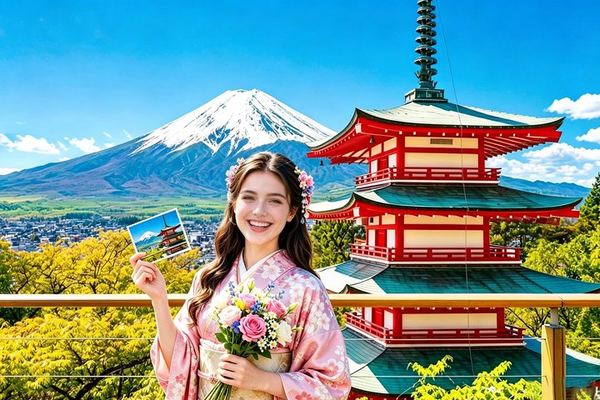
Excursion d'une journée au mont Fuji au départ de Tokyo : pagode de Chureito, Oshino Hakkai et lac de Kawaguchi
4.8 (108) 4.8 étoiles sur 5, 108 avisVisite guidée en anglais de sept points de vue sur le mont Fuji, des 398 marches de la pagode de Chureito aux étangs printaniers d'Oshino Hakkai. Départ de Shinjuku ou de la gare de Tokyo.
€ 49.20 -
 Annulation gratuite
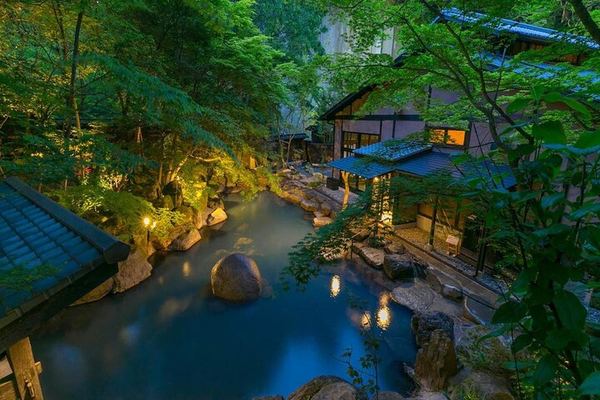
Excursion privée à Hakone : un onsen où les tatouages sont acceptés, une maison de thé de 400 ans, et des œuvres de Picasso en plein air
4.9 (104) 4.9 étoiles sur 5, 104 avisChaque source thermale de cet itinéraire accepte les tatouages, et la journée comprend également une maison de thé vieille de 400 ans sur la route de Tōkaidō, ainsi qu'un jardin avec mille sculptures.
€ 851.05 -
 Annulation gratuite
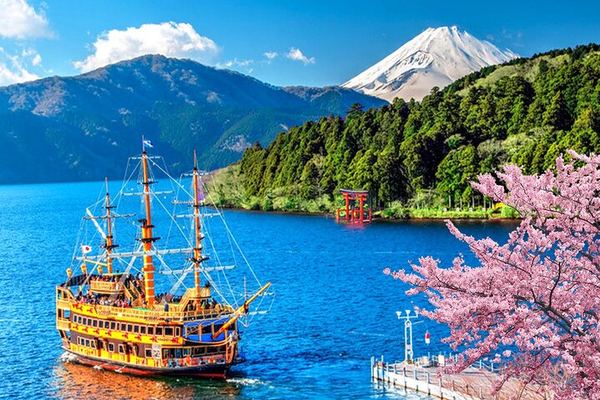
Hakone et le mont Fuji : des œufs noirs à Owakudani, une télécabine et un sanctuaire datant de 757 après J.-C
4.6 (496) 4.6 étoiles sur 5, 496 avisLe bateau pirate coûte environ 12 dollars supplémentaires, et tu peux t'y rendre en bus. La télécabine traverse la vallée où l'eau bout, et c'est là que les œufs noirs sont cuits.
Prix réduit€ 54.83Prix initial€ 68.54
Notes recueillies par Viator et Tripadvisor