
Volcano Travel · Tour
Visite de l'île d'Hawaï en une journée au départ d'Oahu : vols inter-îles et visite du volcan Kilauea inclus
Une journée, deux îles, et les vols sont compris dans le prix. Le billet d'avion inter-îles aller-retour t'emmène d'Oahu à Big Island et retour, et c'est ce qui rend possible une excursion d'une journée vers un volcan actif. Le Kilauea est le volcan le plus actif du monde et le seul volcan actif d'Hawaï, et Big Island est la plus jeune des îles hawaïennes. Dans le parc national des volcans d'Hawaï, la journée commence au centre des visiteurs, puis le cratère Halemaʻumaʻu, où la lave en fusion rougeoie, le Kīlauea Iki Rainforest Lookout sur un cratère entouré de forêt, le Thurston Lava Tube, et des évents de vapeur toujours actifs. Le reste de l'île remplit la journée autour. Greenwell Farms, à Kona, cultive du café depuis 1850. Le Manuka State Wayside Park a un sentier de deux miles à travers la forêt humide et la forêt sèche. La Punaluʻu Bake Shop est la boulangerie la plus méridionale des États-Unis, et son pain sucré hawaïen se décline au taro, à la goyave et à la mangue. La plage de sable noir de Punaluʻu est faite de basalte réduit en sable, avec des tortues vertes dessus. Le trajet passe aussi par la Mauna Kea Access Road, la Kohala Coast et Hilo. Annule au moins 24 heures avant le départ pour un remboursement intégral.
What's included
- Engaging narration from a local guide, sharing stories and insights throughout your tour
- Air-conditioned vehicle
- Roundtrip airfare from Honolulu International Airport to Kona International Airport
- Hawaii Volcanos National Park Admission is Included
Itinéraire
Impossible de charger la carte. Réessayez dans un instant.
Greenwell Farms
Greenwell Farms grows and produces coffee in the Kona district, and has done since Henry Nicholas Greenwell founded it in 1850, which makes it one of the oldest coffee farms in Hawaii and part of how Kona coffee got its name. The farm sits on the slopes of Mauna Loa. Volcanic soil, sunny mornings, cloud in the afternoons and steady rainfall are the combination that makes the coffee what it is.
Manuka State Wayside Park
Manuka State Wayside Park covers 13 acres on the Hawaii Belt Road, Highway 11, on the slopes of Mauna Loa, and holds both wet and dry forest. The Manuka Nature Trail runs two miles through native forest, past volcanic features, with signs explaining the geology and ecology. Native plants and birds live here, the Hawaiian hawk and the honeycreeper among them. There are picnic areas, and few people.
Punalu'u Bake Shop
Punaluʻu Bake Shop at Naʻālehu is the southernmost bakery in the United States. It has been open since 1991 and is known for Hawaiian sweet bread in taro, guava and mango. There is a gift shop and a garden.
Punalu'u Black Sand Beach
Punaluʻu Black Sand Beach on the south-east coast is black because the sand is ground-up volcanic basalt. Coconut palms line it, and Hawaiian green sea turtles come up onto the sand. The water is often rough, so this is a beach for looking rather than swimming.
Hawaii Volcanoes National Park
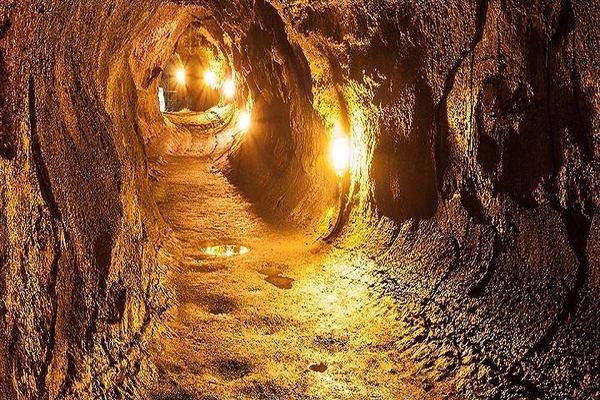
The park visit starts at the visitor centre with the geology and the history, then goes out into it. Halemaʻumaʻu Crater is where molten lava glows. The Kīlauea Iki Rainforest Lookout is the opposite: forest around a crater floor, with a trail across what an eruption left behind. The Thurston Lava Tube is a tunnel that lava made for itself. At the steam vents, the heat comes up through the ground under your feet.
Mauna Kea Access Road is a steep
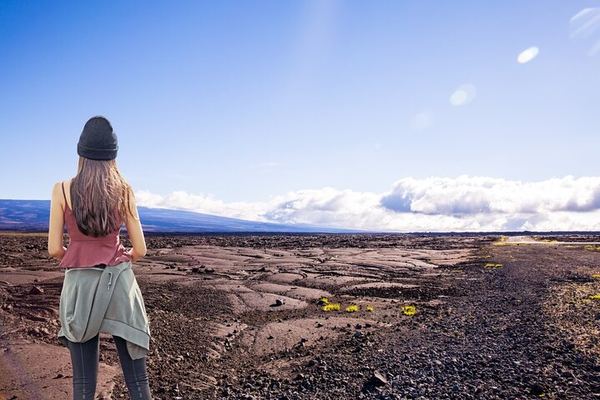
The Mauna Kea Access Road climbs from the Saddle Road, Route 200, towards the summit of the tallest volcano in Hawaii and the highest point in the state. The road passes through several climates on the way, from grassland to bare volcanic ground, and the air thins and the temperature drops as it goes.
Kohala Coast
The Kohala Coast has the beaches, the resorts and a drier climate than the rest of the island, with Mauna Kea close by.
Hilo
Hilo has the Lyman Museum for the natural and cultural history of Hawaii, a historic district of preserved early twentieth century buildings, and the Pacific Tsunami Museum, which covers what tsunamis have done to this coast. Liliuokalani Gardens is named for the last reigning monarch of Hawaii. The Hilo Farmers Market is not historic, but it is where the town's food actually changes hands.
Not included
- Transportation to the Honolulu Airport is not included
- If you enjoy your tour tipping your guide in cash is always appreciated
- Meals
- Private Tour
Good to know
- Specialized infant seats are available
- Public transportation options are available nearby
- Suitable for all physical fitness levels
- Weather Variability - The weather can change quickly, especially at higher elevations. Bring layers, including a rain jacket, as it can get cool and wet
Voir 17 de plusVoir moins
- Sturdy Footwear - Wear comfortable, closed-toe shoes suitable for walking on uneven and potentially sharp volcanic terrain. Flip-flops or sandals aren’t recommended
- Volcanic Hazards - The park is an active volcanic area, so be aware of potential hazards like volcanic gases, which can be harmful, especially for those with respiratory issues. Follow all safety guidelines and stay on marked trails
- Pack Essentials - Bring water, snacks, sunscreen, and a hat. There are limited services within the park, so it's important to be prepared
- Respect Sacred Sites - The park is home to many culturally significant sites for Native Hawaiians. Show respect by not disturbing or removing anything from these areas
- No or Limited Cell Service - Cell phone service is limited or nonexistent in many parts of the park, so plan accordingly and download maps or guides in advance
- Leave No Trace - Help preserve the park’s natural beauty by not leaving any trash behind. Follow the "Leave No Trace" principles to protect the environment
- All entry tickets to the attractions will be provided by your driver on the morning of your tour
- Meals are at your own expense
- We stop for lunch at Punaluʻu Bake Shop where you can enjoy a variety of lunch options including sourdough sandwiches, Kalbi beef, and Hawaiian plate lunches, all complemented by their fresh baked goods and local treats
- Bring cash for roadside stands, food trucks, and local shops—many are cash-only
- If you enjoy your tour tipping your guide in cash is always appreciated
- Car seats are available for children ages 4 years and under
- People with Respiratory Issues -The park can have high levels of volcanic gases, like sulfur dioxide, which can exacerbate conditions like asthma or other respiratory problems
- Those with Mobility Challenges: Many trails and viewpoints require walking on uneven, rocky terrain, which can be difficult for individuals with limited mobility or those who rely on wheelchairs or walkers
- Up to 15 travelers per booking.
- Mobile or paper ticket accepted
- Guiding available in: en.
Avis
Chargement des avis…
Continuez à explorer
Autres expériences à Visites de Kīlauea au départ d'Oahu
-
Excursion d'une journée à Hawaï pour observer les volcans, au départ d'Honolulu : vols, transport depuis Waikiki et visite du volcan Kilauea
4.8 (40) 4.8 étoiles sur 5, 40 avisLe vol inter-îles au départ d'Honolulu et le transfert vers l'hôtel de Waikiki sont inclus dans la réservation, ainsi qu'une visite guidée de Kilauea, de la route des cratères et de Hilo.
€ 523.29 -
 Annulation gratuite
Tu peux visiter les cinq volcans de l'île d'Hawaï en une seule journée, en partant d'Oahu
4.7 (50) 4.7 étoiles sur 5, 50 avisL'itinéraire traverse chacun des cinq volcans de l'île, et tu pourras admirer les évents de vapeur du Kilauea, le tube de lave de Thurston, et la région de la culture du café de Kona, le tout en une seule journée.
€ 527.75
Notes recueillies par Viator et Tripadvisor